
£750 million investment promises renewal, but can it restore Bournemouth?
An investigation into the transformation of the town centre
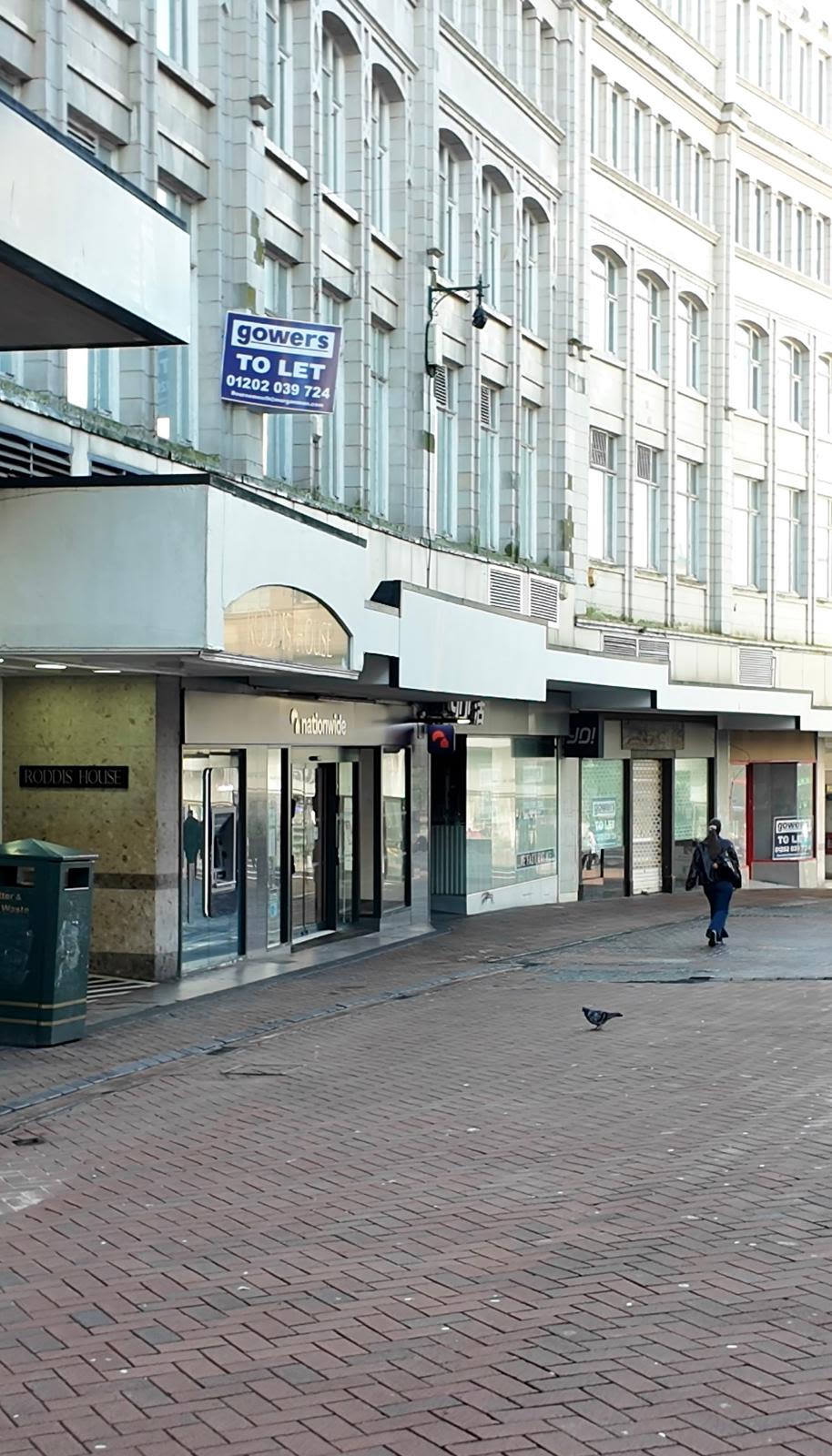

For decades, the high street in Bournemouth has been a place of bustle and belonging a hub where locals shopped, met friends, and watched the town’s seasons change. But in recent years, empty shopfronts and quiet pavements have replaced much of that energy.
Now, Bournemouth, Christchurch and Poole hope a major £750 million investment programme could mark a turning point.
The funding, spread across Christchurch, Poole, and Bournemouth, has been described as a “year of opportunity” by Bournemouth, Christchurch and Poole Council. It forms part of a wider regeneration strategy, supported by both public and private organisations, and reported by the Bournemouth Echo.
But while the figures are impressive, residents are divided over whether the investment will be enough to revive a town centre many feel has been in steady decline.
For Tanya, who has lived in Bournemouth most of her life, the changes have been hard to ignore.
“I think it’s a real shame that the shops have shut down,” she says. “It used to be quite vibrant and people would want to come and visit, but it hasn’t got that same feel anymore.”
Her experience is echoed by many who remember a time when department stores, independent shops and cafes filled the town centre. Today, rising rents and competition from online shopping have reshaped the high street.
Jacob believes safety is also a growing concern.
“Online shopping is being pushed a lot more and you see less and less of the high street shops being open,” he says. “It’s not the safest of places.”
And others are more blunt in their opinion.
“It’s got worse than it used to be,” says Karl, who volunteers for the Big Issue.
Fraser Mills, who lived in Bournemouth for around 55 years, describes his disappointment bluntly. “It’s a shambles,” he says. “It’s disgraceful. It’s terrible.”
These frustrations reflect a wider national trend, with town centres across the UK struggling to adapt to changing retail habits and economic pressures.
Yet for many locals, the decline feels personal- a loss of identity as well as convenience.

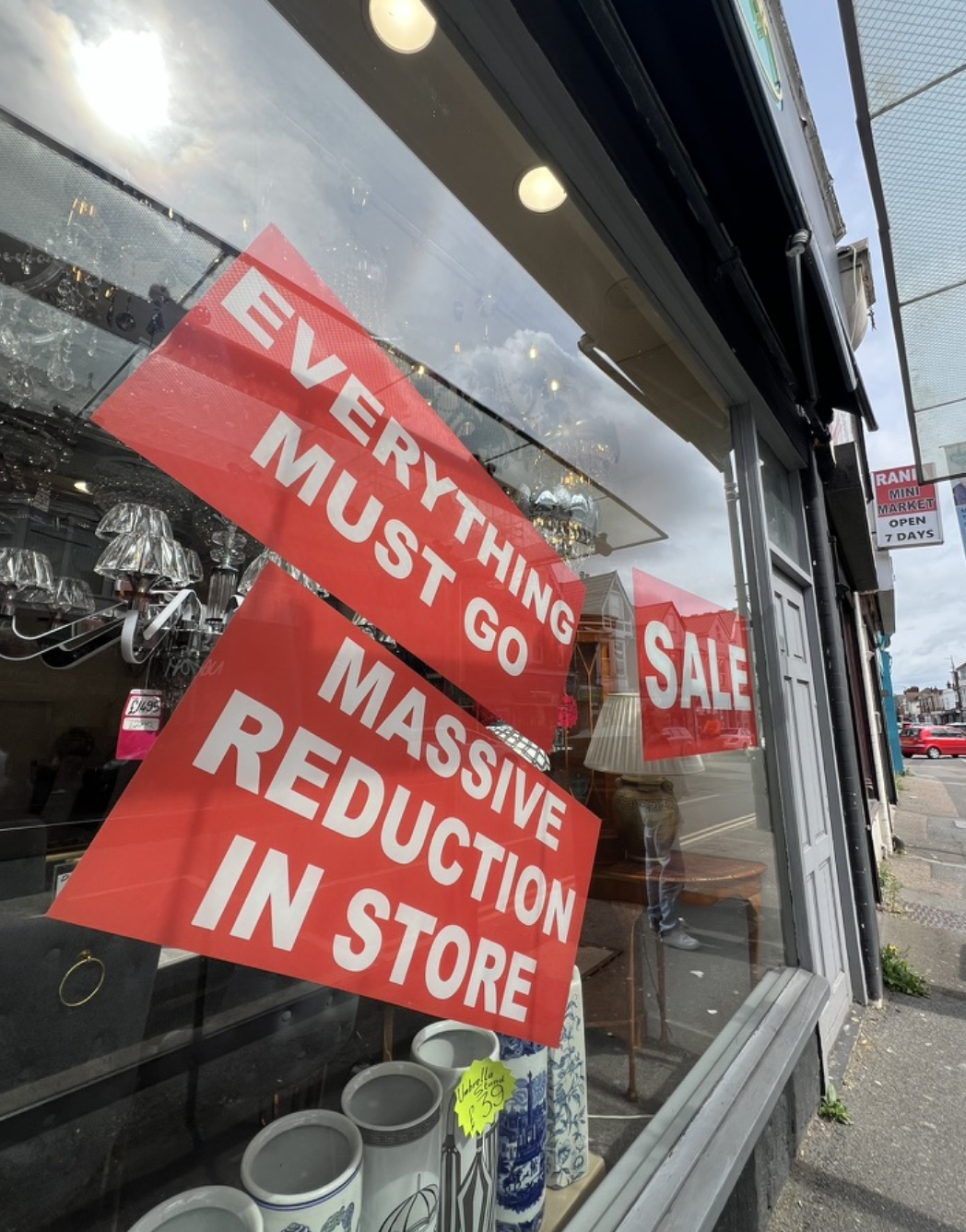
Image of a shutdown store in Bournemouth. Photo by Martha White
Image of a shutdown store in Bournemouth. Photo by Martha White
Council leaders argue the new funding represents a genuine opportunity to reverse that decline.
Around £24 million has been designated for strategic priorities, including expanding education provision in Bearwood and Merley and supporting new housing developments in Poole town centre.
The wider investment programme also aims to deliver improved transport links, greener public spaces, apprenticeships and new jobs.
Council leader Millie Earl says the funding reflects a new confidence in the area.
“These investments are a real boost for our communities - creating jobs, improving education, and opening up new opportunities for people to thrive and develop,” she says.
“It’s clear that businesses have confidence in the long-term future of Bournemouth, Christchurch and Poole. This level of funding reflects that.”
She adds that the programme will help create “modern, sustainable communities where people and businesses can thrive for years to come.”
Alongside council funding, some major organisations are also investing in local infrastructure.
Bournemouth Water has committed £200 million to upgrade water treatment facilities at Alderney and Knapp Mill, aiming to secure long-term water supplies.
Meanwhile, University Hospitals Dorset NHS Foundation Trust has invested £91 million in a new building at Royal Bournemouth Hospital, designed to expand capacity and improve patient care.
Together, these projects form part of a broader attempt to future-proof the areas economy and services.
Video of a Bournemouth Resident. Credit to Sabrina Laid
Video of a Bournemouth Resident. Credit to Sabrina Laid
For some people working in the town centre, the investment brings the chance for new jobs and opportunities.
Jen, who works for City Centre Recruitment, believes regeneration could have a direct impact on employment.
“Investing money in the town will offer far more opportunities for people,” she says. “If businesses come in and things improve, that helps everyone.”
Improved infrastructure and business confidence could encourage companies to relocate or expand locally, creating more stable jobs and training opportunities.
Despite the scale of the funding, some residents remain sceptical.
Many point to previous regeneration efforts that failed to deliver lasting change. Others worry that investment will focus on large developments rather than everyday concerns such as safety, cleanliness and community spaces.
Urban regeneration experts often stress that money alone cannot revive a town centre. Successful renewal, they argue, depends on listening to residents, supporting independent businesses and creating spaces where people genuinely want to spend time.
For Bournemouth, the challenge will be turning headline figures into visible, meaningful change.

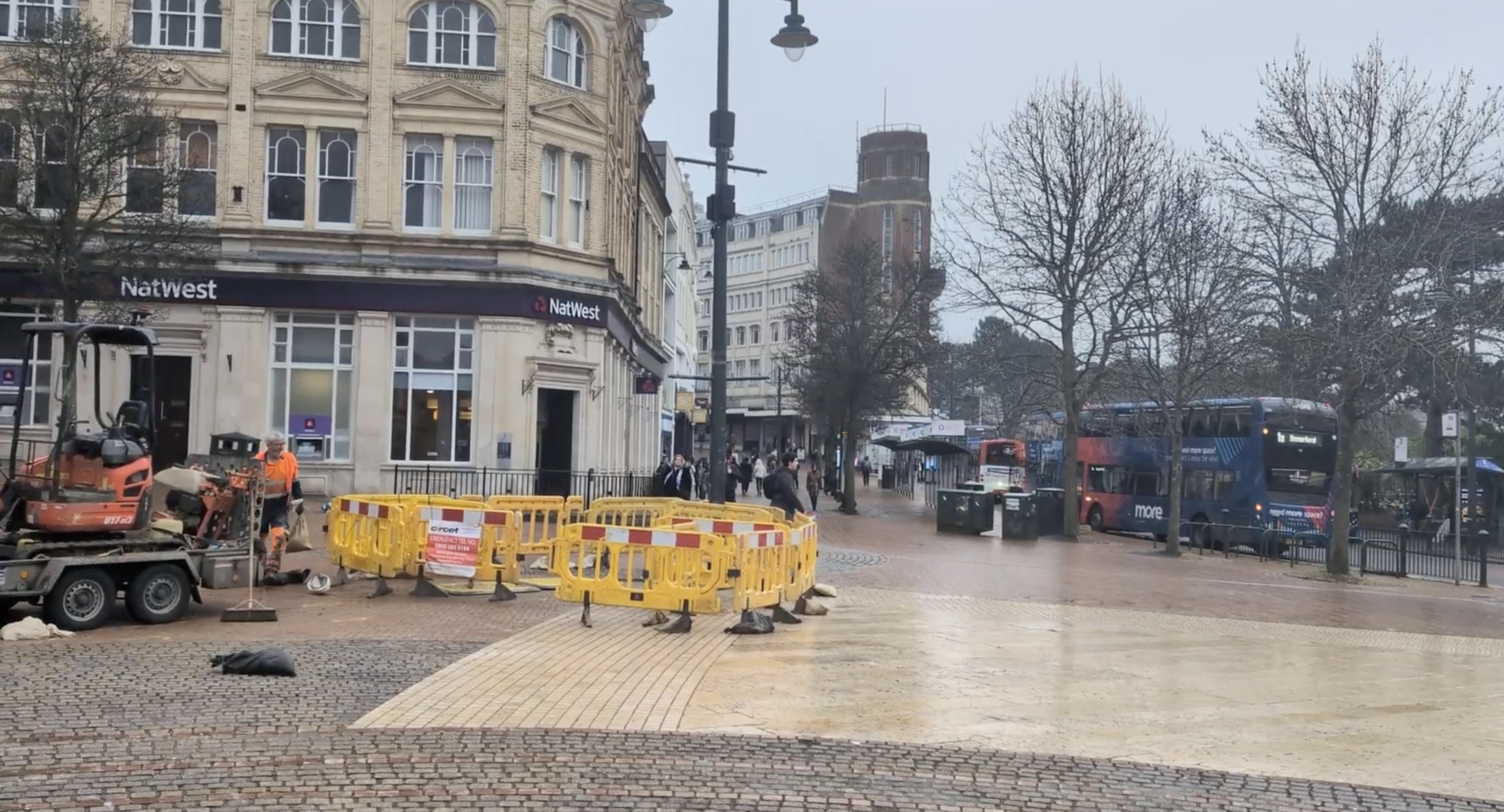
As construction projects begin and plans move from paper to reality, locals will be watching closely - measuring progress not in millions of pounds, but in reopened shops, busier streets and a renewed sense of pride.
Whether this £750 million programme marks the start of a revival or another missed opportunity remains to be seen. But for a town longing to rediscover its spark, the stakes have rarely been higher.
 Built with Shorthand