Can UPFs be avoided on a budget?
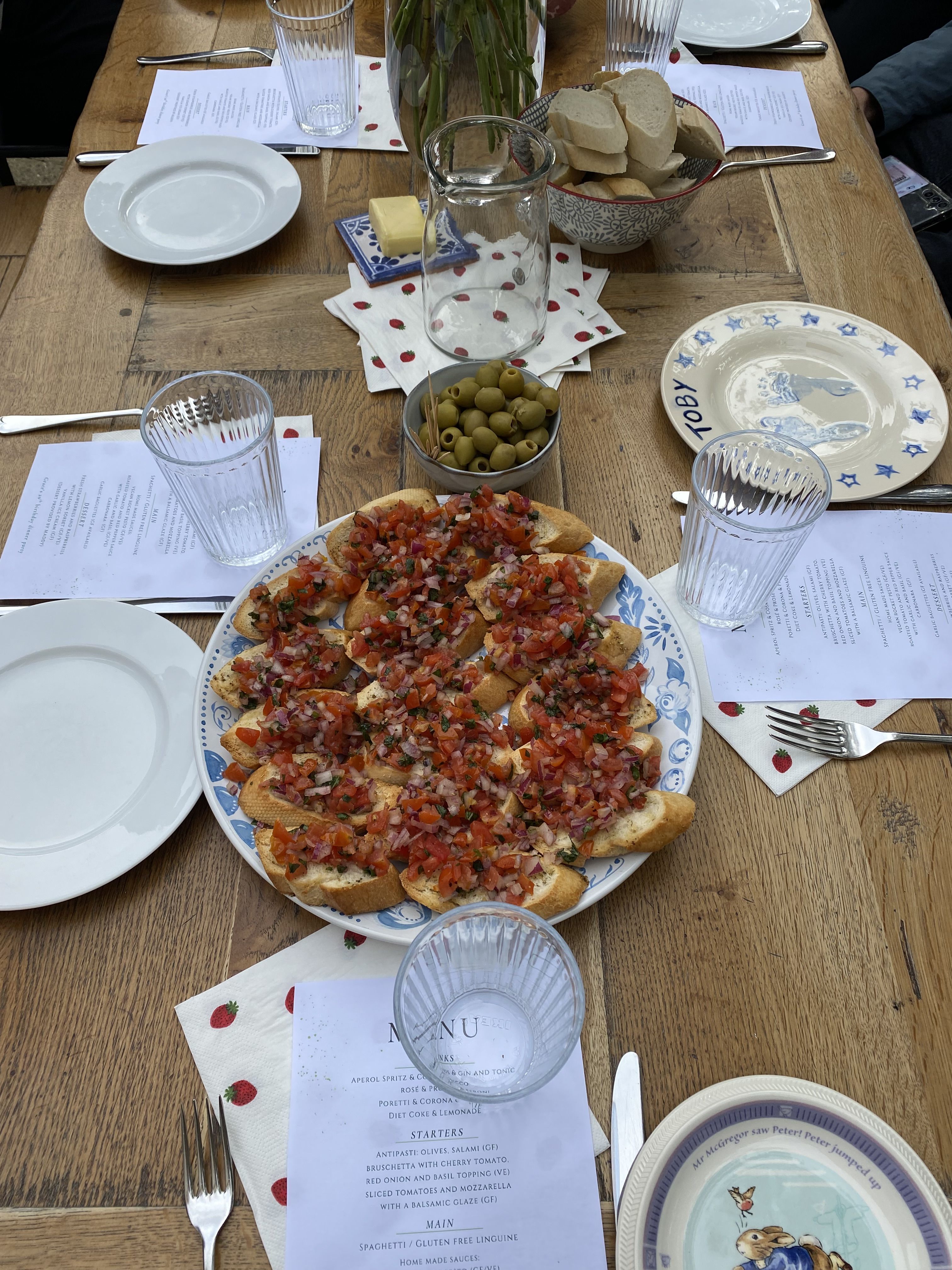

As families face rising food costs and growing concerns about ultra-processed foods, local nutrition experts say healthier eating is still achievable without breaking the bank.
More than half of UK adults believe ultra-processed foods are impossible to avoid when shopping on a budget, according to new research. Yet local nutritionists and food educators argue that with the right approach, cutting down on UPFs whilst managing costs is not only possible, it's essential for long-term health.
The survey, conducted by Mortar Research for retailer Lakeland in January, found that 59% of adults believe UPFs are unavoidable for budget-conscious shoppers. Two thirds are worried about their effects on public health, with 68% believing the Government should do more to protect people from them.
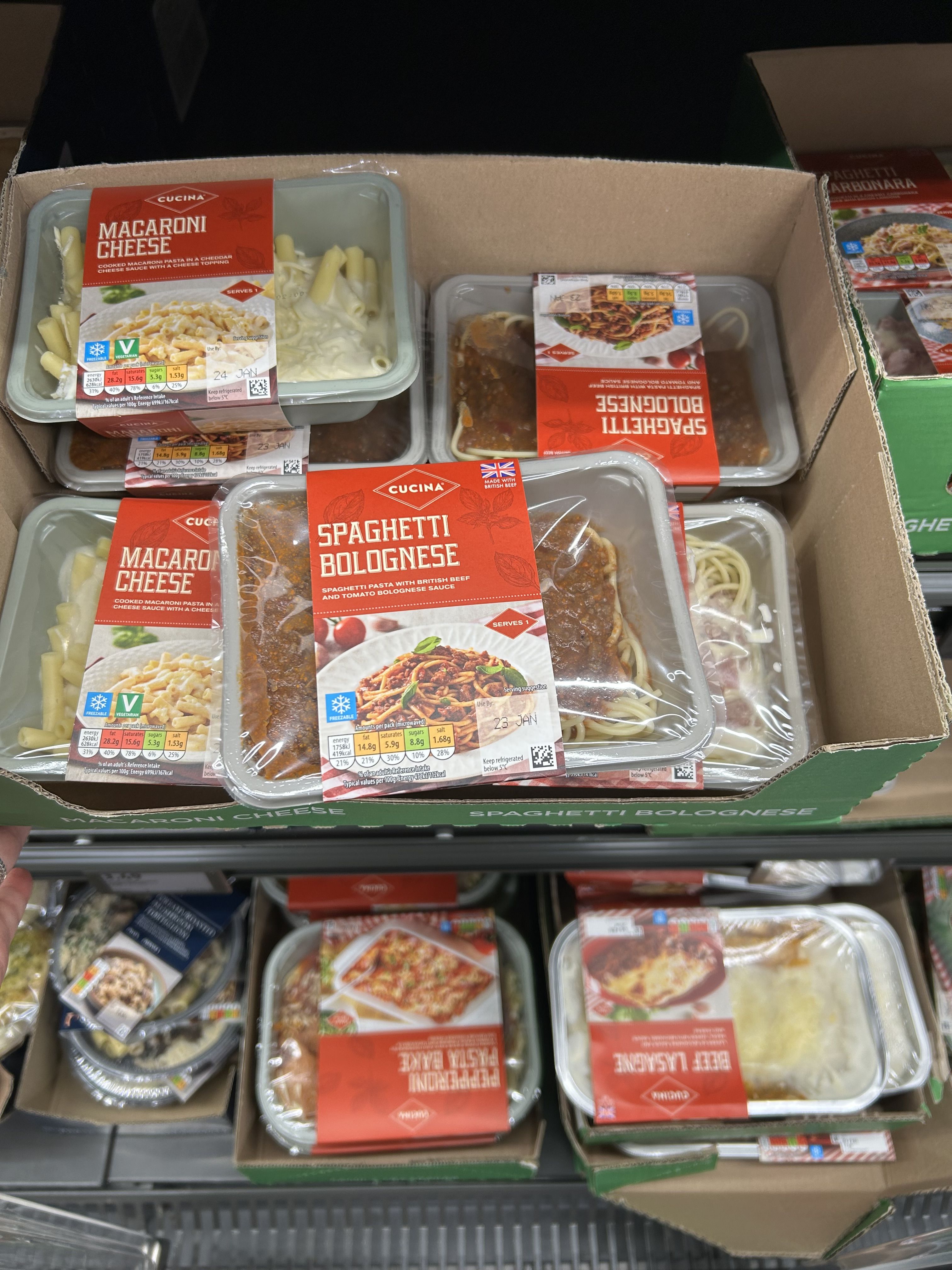
Ultra-processed foods include items like ice cream, processed meats, crisps, some breakfast cereals, biscuits, ready meals and soft drinks. These products often contain high levels of saturated fat, salt, sugar and additives which experts say leave less room in people's diets for more nutritious foods. Even foods branded with green labels and touted for nutritional benefits can be full of preservatives, e-numbers and ingredients never found in a household kitchen.
The issue has become particularly pressing as food costs continue to climb. According to projections based on the ONS 'Family spending in the UK' survey and food price inflation data, extrapolated to 2026, a family of four eating a healthy diet will spend between £1,010 and £1,180 a month on food prepared and eaten at home.
The dietary share of UPFs remains below 25% in countries such as Italy, Cyprus, Greece, Portugal and across Asia, but it has reached 50% in both the US and UK, according to global experts who have warned that UPFs are a leading cause of what they call the ‘chronic disease pandemic’ linked to diet.
Understanding what you're eating

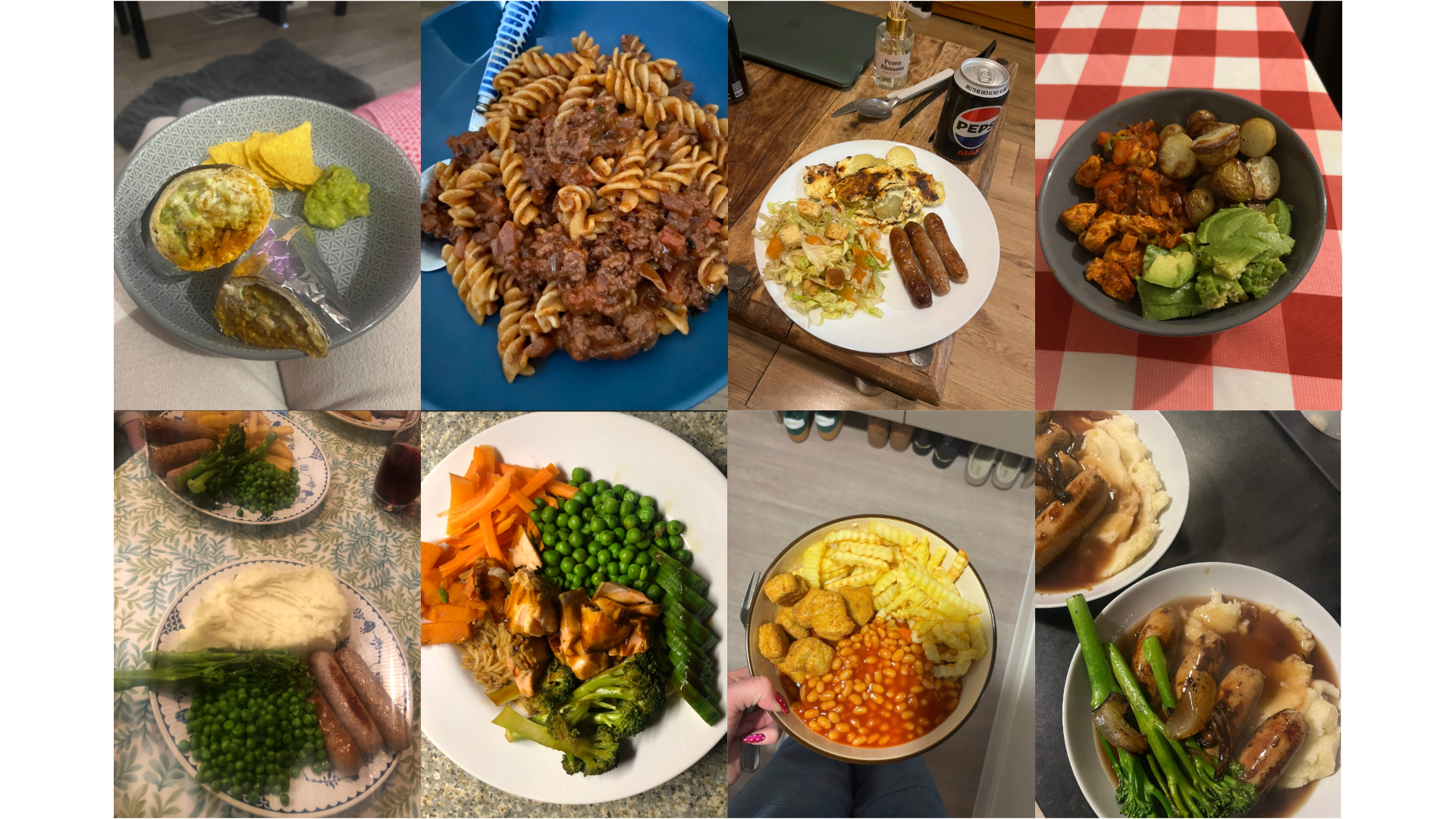
Sophia Lloyd, a Poole-based nutritionist who specialises in child nutrition, believes the key to avoiding UPFs starts with knowing what to look for.
"I believe UPF's can be avoided even on the strictest of budgets. While they may appear cheaper, their main benefit is convenience rather than nutrition. With a little more thought, planning and preparation, it is possible to create healthier meals without ultra-processed, unnecessary ingredients," she said.
When shopping, Lloyd advises looking at ingredient lists. If you spot words like 'dextrose', 'gelling agents', 'maltodextrin', or 'xanthan gum', it's most likely a UPF.
Foods are classified into four categories through the NOVA Food Classification system, designed by the Center for Epidemiological Studies in Health and Nutrition at the University of Sao Paulo, Brazil. The system ranges from minimally processed foods that have only been cleaned or frozen, through to ultra-processed foods that are industrial formulations made entirely or mostly from substances extracted from foods or synthesised in laboratories.
Rebecca Brown, also known as The Food Educator, takes a more practical approach to identifying UPFs. "The easiest way to understand if you're eating something ultra processed is compare it if you were to make it yourself. So, if you were cooking something yourself, would it look the same colour? Would it have the same texture? Would it have the same shelf life? And if the answer is no, then it’s likely that you're eating something that is ultra processed," she explained.
Brown, who won a 2025 global recognition award for her contributions to workplace wellness through evidence-based food education programs, grew up in a household where money was tight. "I grew up where we had no money, I saw my mum turn nothing into something," she said, understanding how to make good food on a budget.

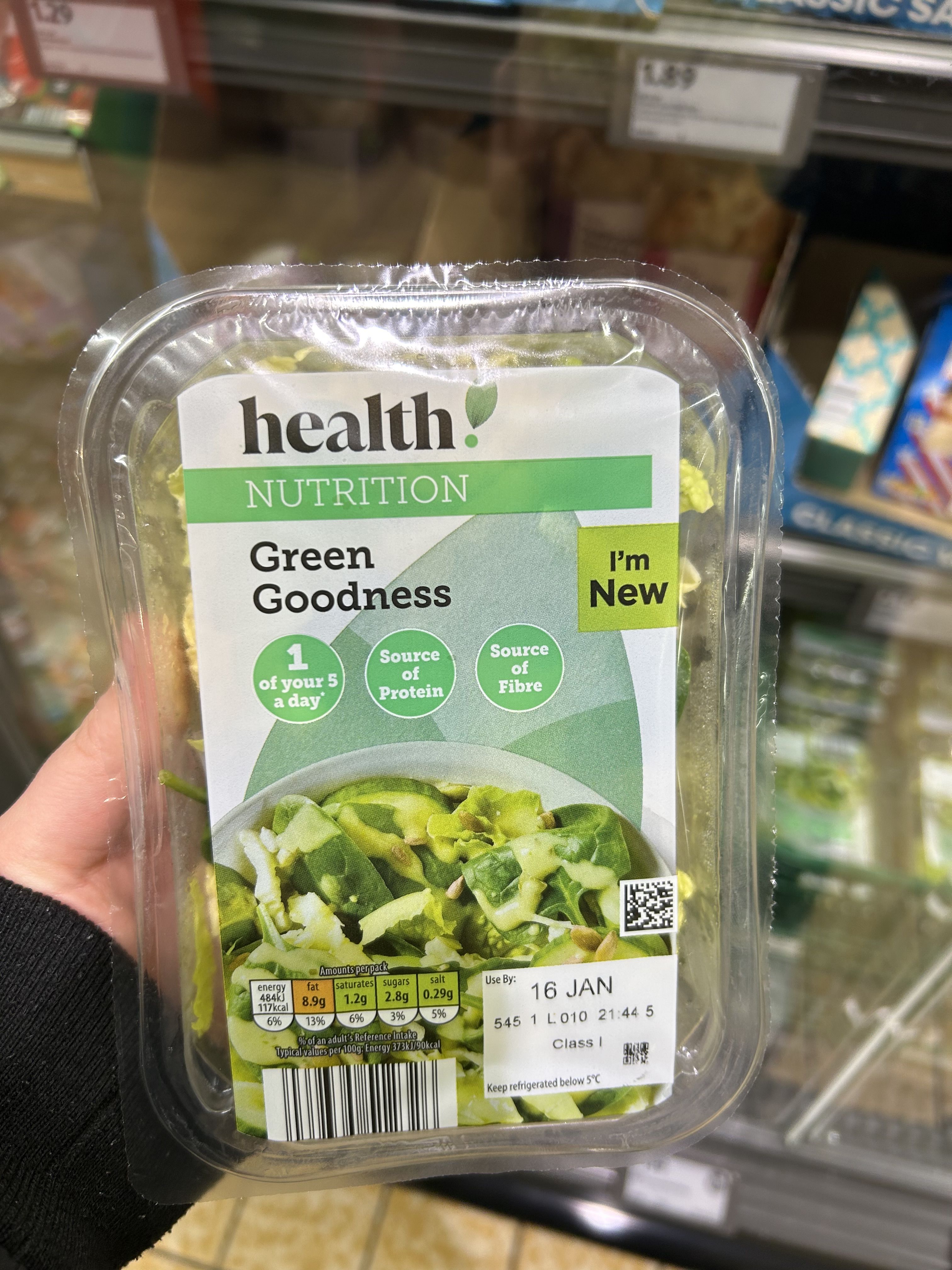
Food that may appear healthy like this 'Green Goddess' salad contains UPF identifiers (Credit:Grace Kehoe)
Food that may appear healthy like this 'Green Goddess' salad contains UPF identifiers (Credit:Grace Kehoe)
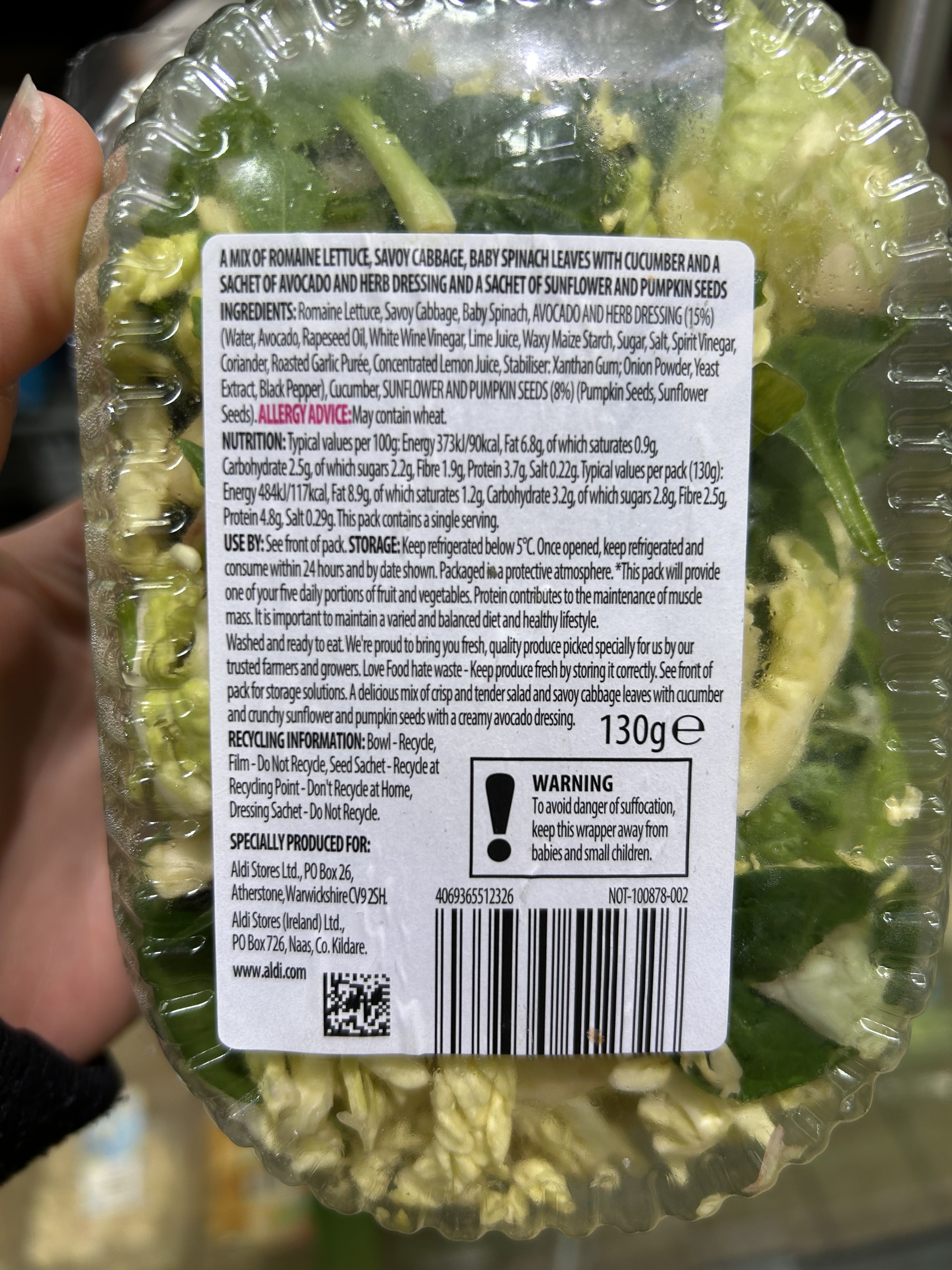
This 'Green Goddess' healthy looking option contains UPF chemicals (Credit: Grace Kehoe)
This 'Green Goddess' healthy looking option contains UPF chemicals (Credit: Grace Kehoe)
A balanced perspective

Despite concerns about UPFs, both Brown and Lloyd emphasise the importance of avoiding guilt and fear around food choices.
"I don't want to make anybody feel guilty about their knowledge, their skills, their time, their budget, their enthusiasm," Brown said. "I want to give information to people for them to go, oh, I can use that when I've got no money or when I’ve got no time, or I can use that tomorrow, but without feeling guilty."
She added: "I’m not saying stop eating them because I think that would be impossible. But I want to give you that power that you go, I know this is ultra processed and I still made that choice to eat it."
Brown encourages people to find their own balance. "I think you have to make a bit of an agreement with yourself of what you're okay with and what you're not okay with and how do you find an alternative? Have the KFC, it’s worth doing once in a while."
This balanced approach acknowledges that not all processed foods are equally harmful. According to consumer group Which?, items like baked beans can be packed with fibre and low in sugar and fat, whilst fish fingers contain omega-3. Natural Greek yoghurt offers many health benefits, though flavoured varieties often contain high sugar levels.
It’s all about picking wisely and with intent.
The student challenge

For students living in shared accommodation, avoiding UPFs presents particular challenges. Storage of food items can prove difficult in shared kitchens, making meal planning more complex.
However, Lloyd believes it's still achievable with the right approach. "Busy lives mean speed and convenience often drive food choices, particularly as a student. However, by spending just a few hours a week meal prepping, UPF's can be significantly reduced or even eliminated, benefitting long-term health," she said.
The impact on students goes beyond physical health. Brown points out that ultra-processed foods, which are generally high in sugar, can affect academic performance. "If you're a student, you've got to be learning all the time, you've got to be switched on, then you've got exams, things to prep for, hand-ins, essays to write. All of that stuff is very mentally exhausting and very mentally draining. And it takes a lot of energy and focus. Sugar ignites in the brain what’s called the roller coaster effect, which affects our mood and also depletes energy," she explained.
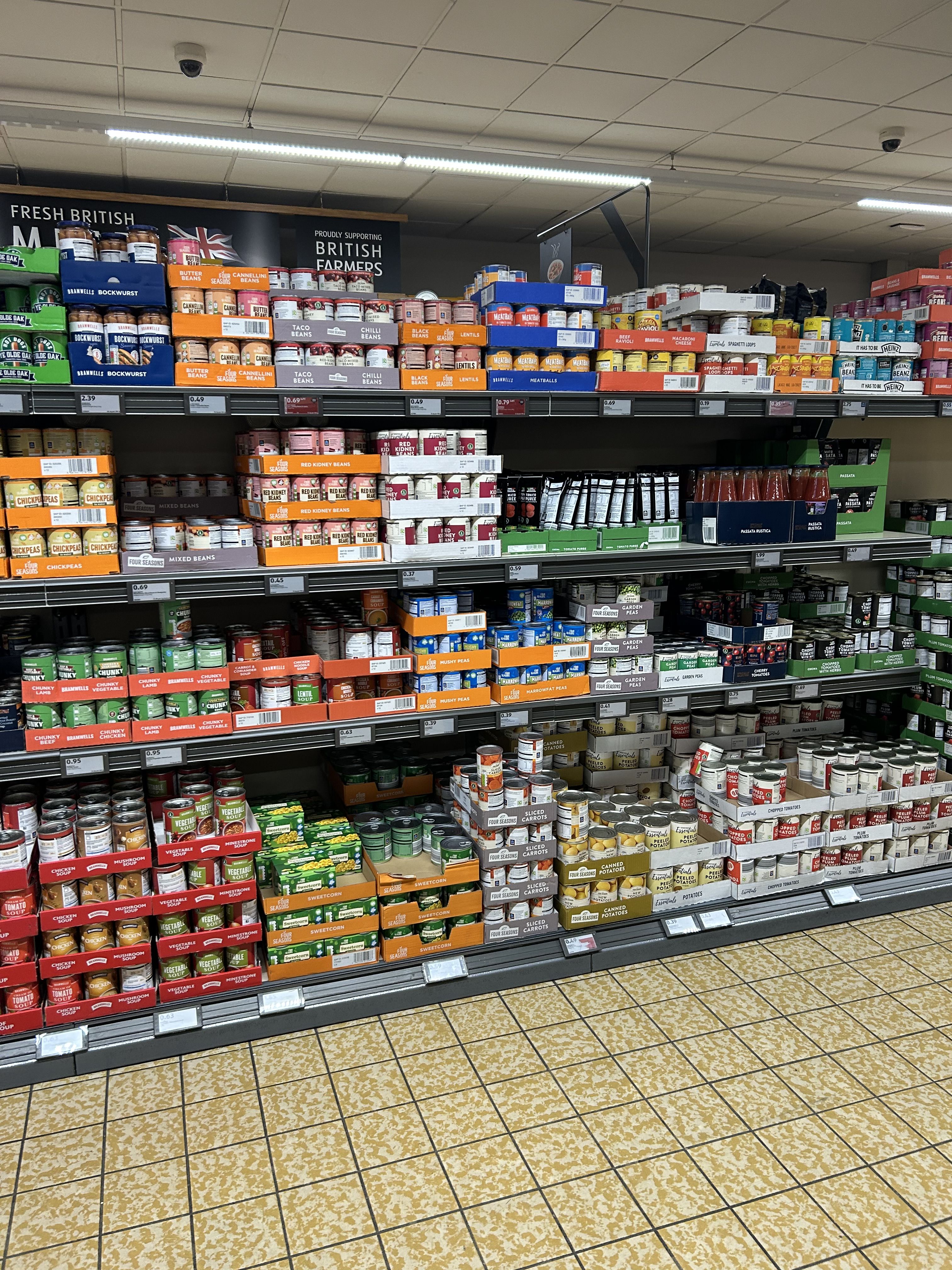
For students, minimally processed items in tins can be particularly useful, along with long shelf-life items like pastas and rices. Fresh foods can be bought, cooked and frozen quickly to create convenient meals without the hour-long cooking time.
Practical solutions

The survey by Mortar Research found that a quarter of adults do not know how to recognise the presence of UPFs in food products, whilst a fifth are now cooking from scratch more regularly to avoid them. Another 25% are cooking from scratch more to save money and 26% for other health benefits.
Brown's approach centres on simple, practical solutions.
When asked for five key tools she would recommend for reducing UPF intake on a budget, she listed:


(Credit: Grace Kehoe)
(Credit: Grace Kehoe)
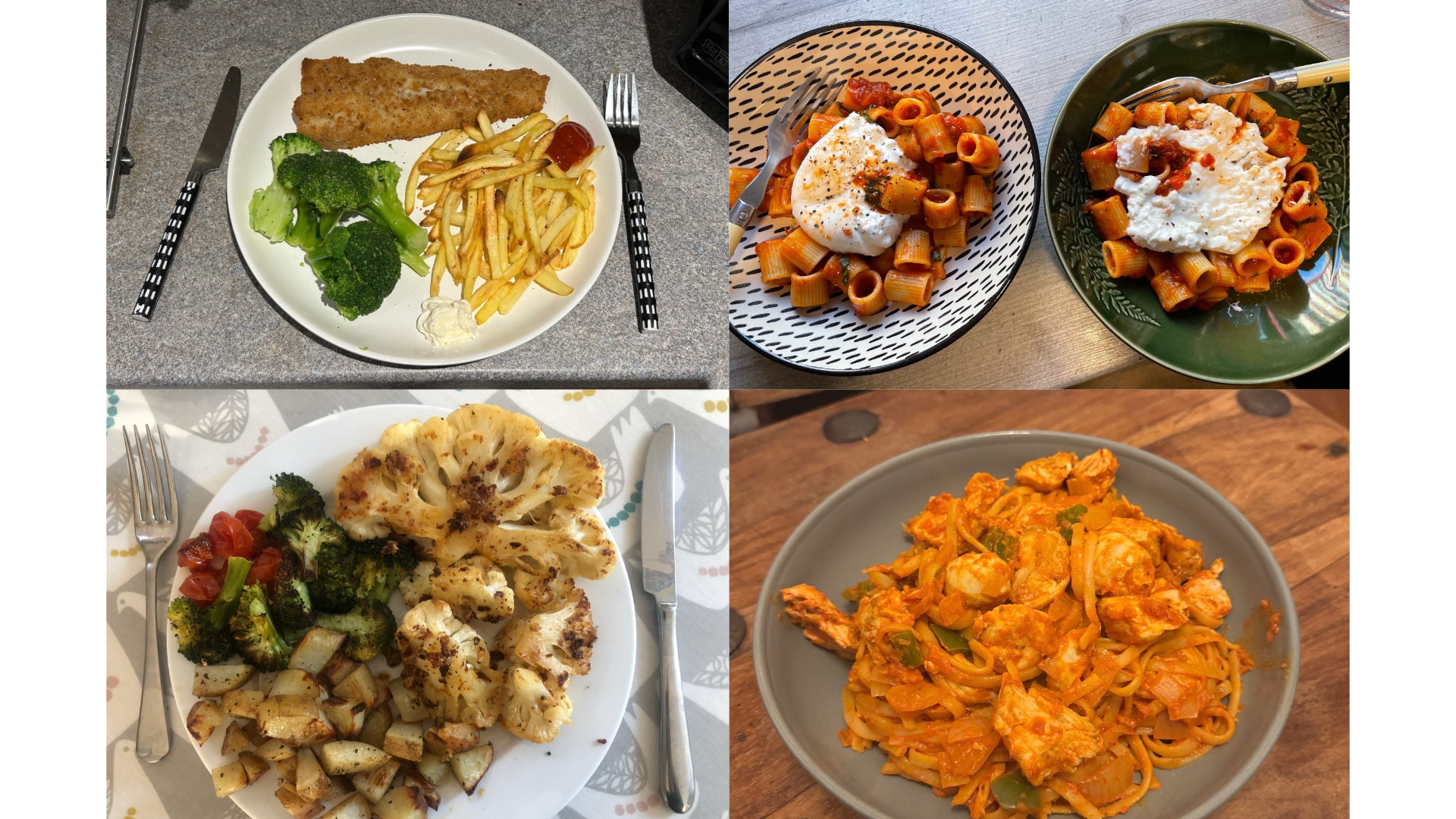
Her practical hacks include buying a large pack of mince, seasoning with salt and pepper, shaping into burgers, cooking them and freezing for later use. When buying potatoes, cook them all in one go and once completely cooled, freeze for easy dinners that don't take an hour to prepare. She also recommends making an easy tomato sauce from tomatoes, peppers and onion, cooking it down, blending and freezing to use as a base for curries, pasta sauces, fajitas and soup.
Every Friday on her Instagram page, Brown shares easy swaps from ultra-processed foods to home-cooked alternatives. Through her website simplicib.co.uk, she provides food consultations, education for children and parents, and 'food and mood' workshops for families. In her mission statement, she emphasises that small, everyday actions around food can transform mood, energy, sleep, resilience and focus.
"My mission is to make food really simple and easy to understand so that you can feel better," Brown said. She encourages people to be kind to themselves about past choices: "Forgive yourself for the food choices that you have been doing."
Planning is key
Heather Smith, a nutrition coach based in Dorset, echoes the importance of preparation. "It's so easy in our busy lives to grab a bite from the supermarket or a takeaway but at what risk to our digestive health?
“Instead of demonising the consumption of UPFs, let's find some solutions and keep the conversation at the forefront of schools and education providers to help young people – first place to start are those vending machines. What's on offer? What can we do to the chocolate bars and bags of crisps?" she said.
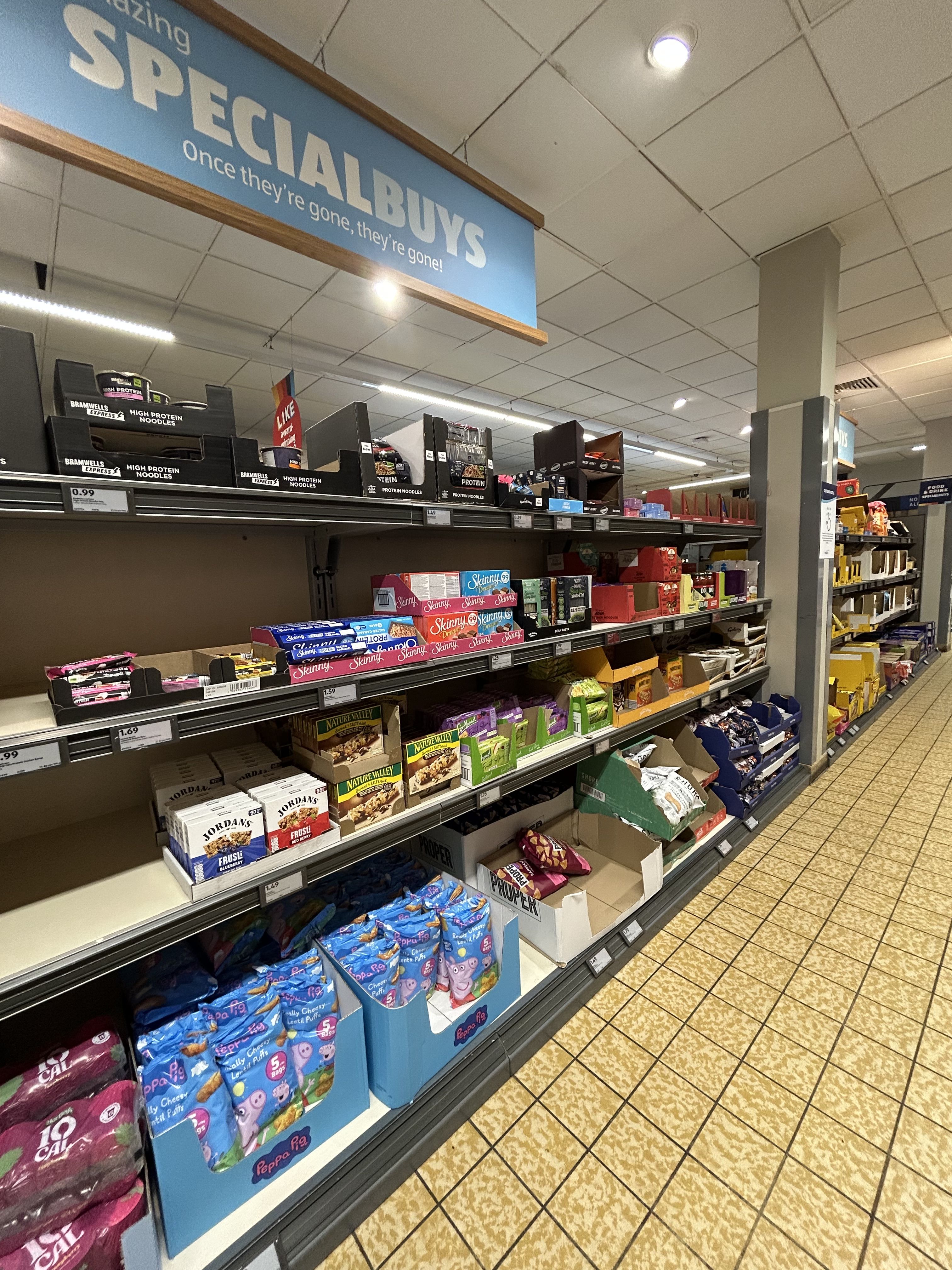
Smith advocates for keeping a plentiful collection of low or no-UPF snacks and foods on hand, including whole pieces of fruit, pots of fruit, packets of dried fruit and nuts, boiled eggs, natural yoghurts, dark chocolates, and tins of oily fish. Most of these items are inexpensive or can be bought and consumed over longer time period to spread the cost.
"For dinner? Back to basics. Buy raw, plain meat, vegetables, beans and wholegrains can make a really tasty, inexpensive number of meals with a sprinkle of spices. Planning, batch-cooking, meal-prepping are the foundations of simple nutritious eating," Smith added.
Typically, purchasing wholefoods and cooking them can be a more economical way of shopping and consuming food compared to buying pre-made items. Supermarkets mostly offer their most competitive prices on vegetables and fruit. However, buying wholefoods and home cooking can be a more resource-intensive exercise in terms of planning, cooking and cleaning than simply buying a ready meal and putting it in the microwave. This is where batch cooking and proper meal prep become key to success.

Beyond the fear
Lloyd emphasises that awareness and understanding are more important than drastically cutting out all ultra-processed foods. "A largely UPF-free diet is achievable with time and preparation," she said.
There is significant misinformation and fearmongering by some organisations convincing consumers they are filling their bodies with toxins. While emulsifiers and acidity regulators in sauces or soups might now seem scary, their presence alone won't cause cancer. Not eating a balanced diet will prove to be more problematic in the long term.
Recent controversy surrounding M&S's new 'only … ingredients' range has highlighted how some retailers may create UPF fears whilst potentially misleading customers about the healthiness of their products.
Public opinion is shifting towards greater transparency and responsibility. The Lakeland survey found that 66% of adults think supermarkets should take more responsibility for the UPFs they sell, and 77% want clear warning labels on food containing ultra-processed ingredients.

According to the Lakeland survey (Credit: Grace Kehoe)
According to the Lakeland survey (Credit: Grace Kehoe)
Brown's message to those struggling with food budgets resonates particularly strongly. "I've been there as a mum, where I've had the sort of feeling of failing because I don't know how I'm going to afford to buy food for that week, and I know a lot of people are facing that at the moment," she said.
With food costs continuing to rise and health concerns about ultra-processed foods growing, the message from local nutrition experts is clear: avoiding UPFs on a budget is challenging but achievable. The solution lies not in perfection, but in small, sustainable changes built on planning, preparation and self-compassion.
 Built with Shorthand