
Art against odds
Auger Collectives' mission to regenerate Boscombe's art scene.
By Anna Bodiam.

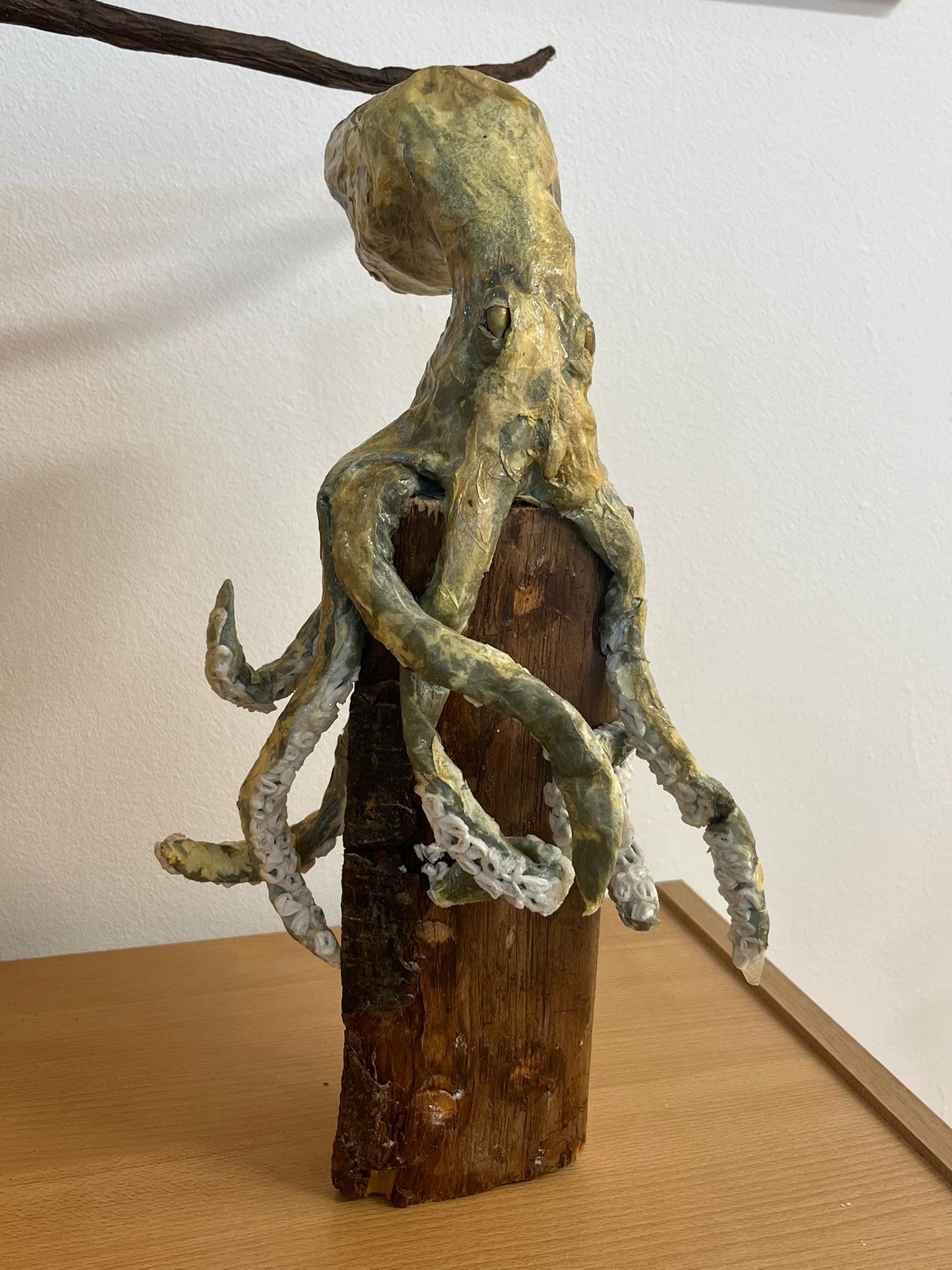
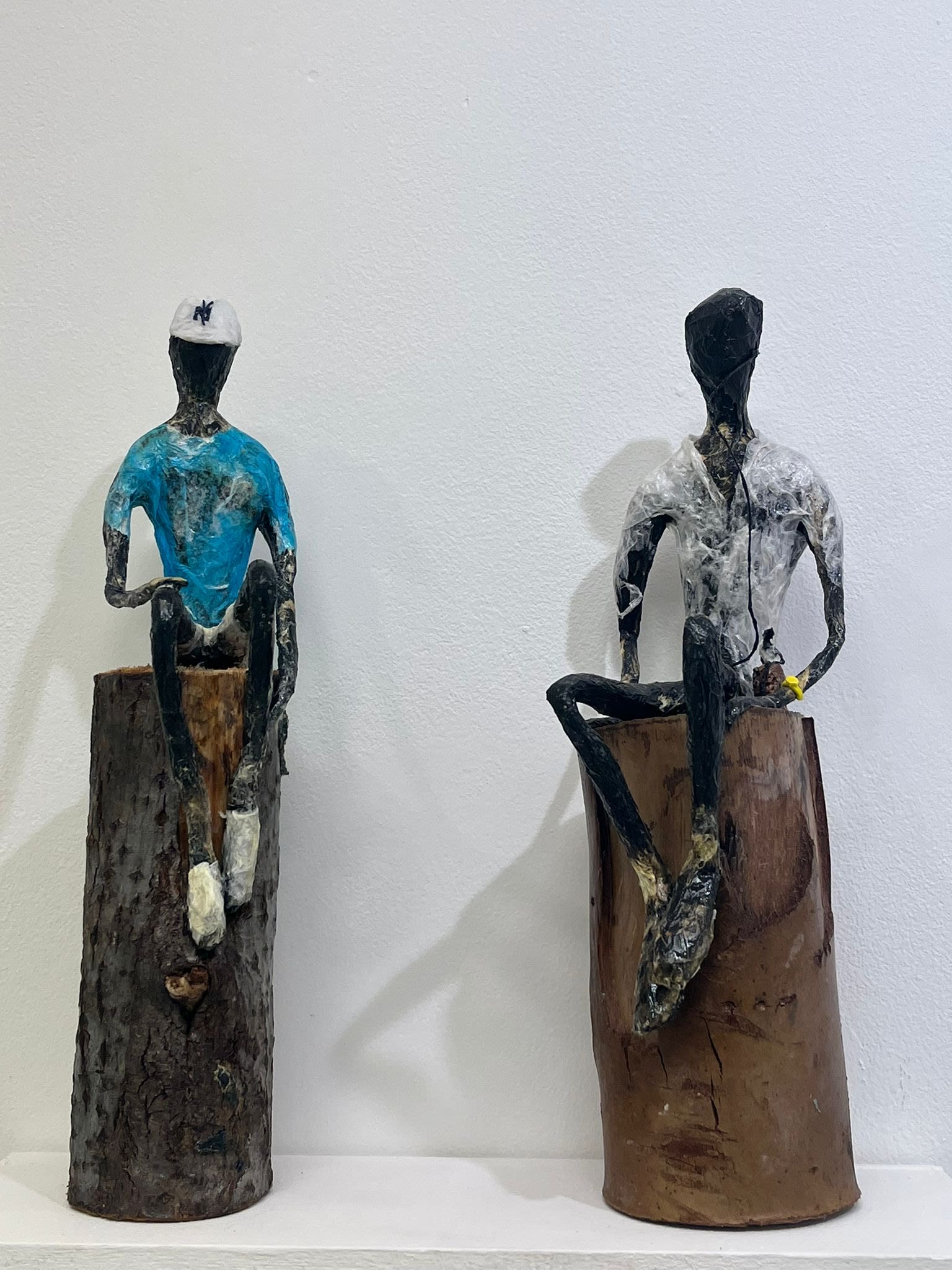
Sculpture at 'paper thin' exhibition, Boscombe. Photo credit: Luke Hills.
Sculpture at 'paper thin' exhibition, Boscombe. Photo credit: Luke Hills.
Across the world, what we know to be ‘art’ is evolving- with the rise of AI and the decline of high street popularity- exposure to art as we’ve known it is as changed as ever. However, organisations like Auger Collective are rejuvenating urban areas and bringing creatives to the forefront.
Auger have taken over the former Peacocks in Boscombe with their debut exhibition ‘paper thin’. Tom Pouncy, co-founder and director of the gallery, felt more space had to be made for art locally.
“The original inspiration for doing this came from the journey to get to this point we’re in.”
Tom spoke on to note how him and co-founder Amanda Williams had once worked for another gallery, before it closed in 2023.
“There was a lack of art spaces in the community. We took the opportunity to kind of rebuild what was lost in the community; create a gallery space.”

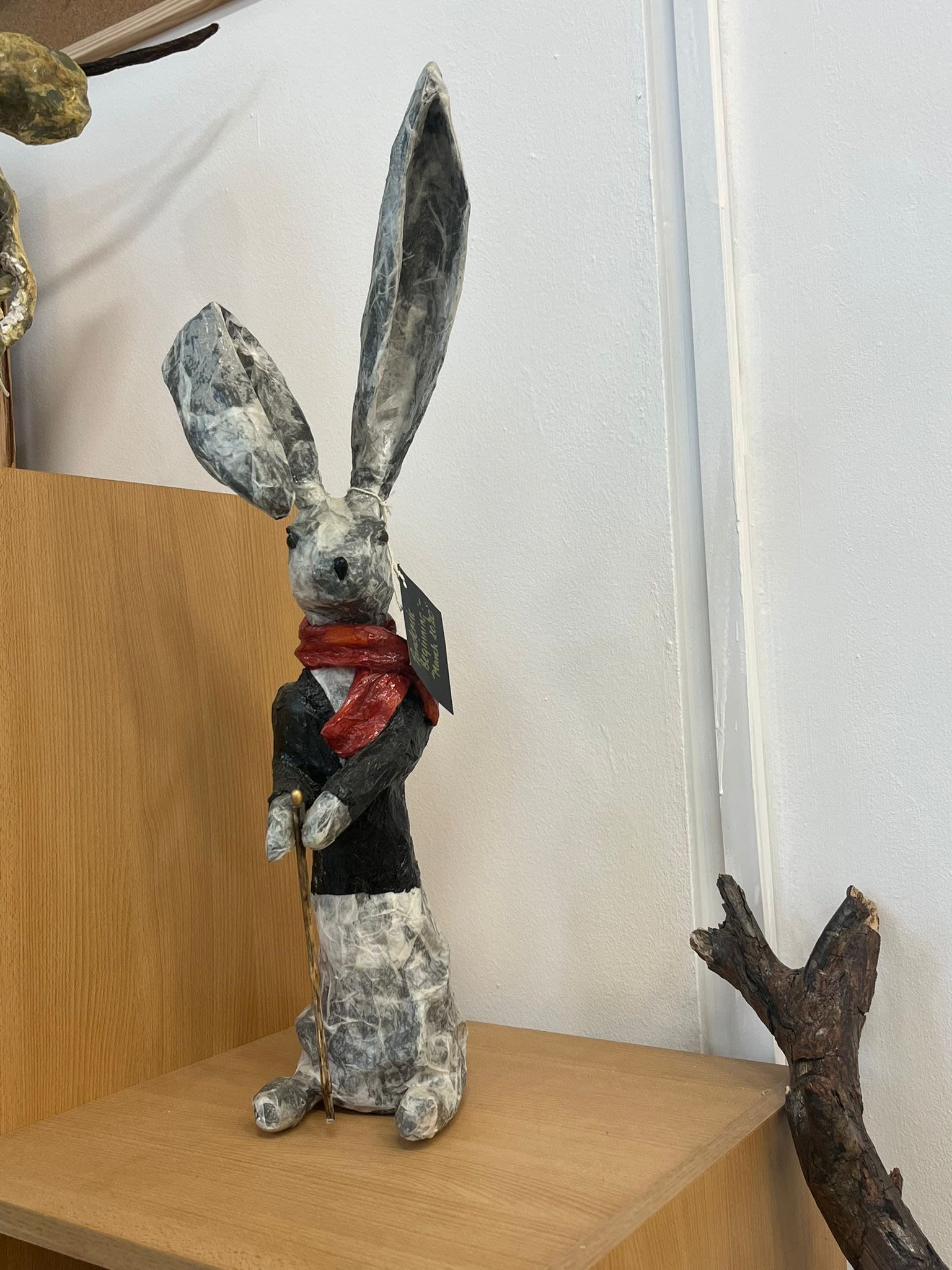
The exhibition’s inspired by the hurdles it took Tom and Amanda to get here. Creating the gallery was no easy feat- funding, paperwork and competition.
“We called it paper thin because it’s kind of the aspect of building something and, well, as the title of the exhibition is, it’s
‘Celebrating the fragile, transformative, and inventive potential of society, using paper as a reflection for technology’
Basically, suggesting that you don’t need a lot of money to make things happen, especially being creative.”
Ellen Gillett, 29, is an artist from Southampton. Ellen’s part of an artist collective called ‘Zest’, now collaborating with Auger. Her medium is typically video or installation based, incorporating projection and sculpture. ‘Paper thin’ connected with her through its innovative themes.
“I think it’s quite interesting that paper is this thin, flimsy material but then different artists are able to make these robust sculptures.”
Generative AI is quite widely known by the creative community to take away integrity from art. Ellen had her own takes on the rise:
“It obviously threatens people’s jobs. It also could almost be viewed as mass plagiarism because it’s all of humans work up until now used and regenerated into something else.”
However, with that statement was also optimism. Ellen had an open mind to the possibilities relaying back to the core of artistry: exploration.
“Eventually, if it can be controlled and legislated and we can resolve that issue of credit, it can be a really fascinating tool to make some really interesting work.”
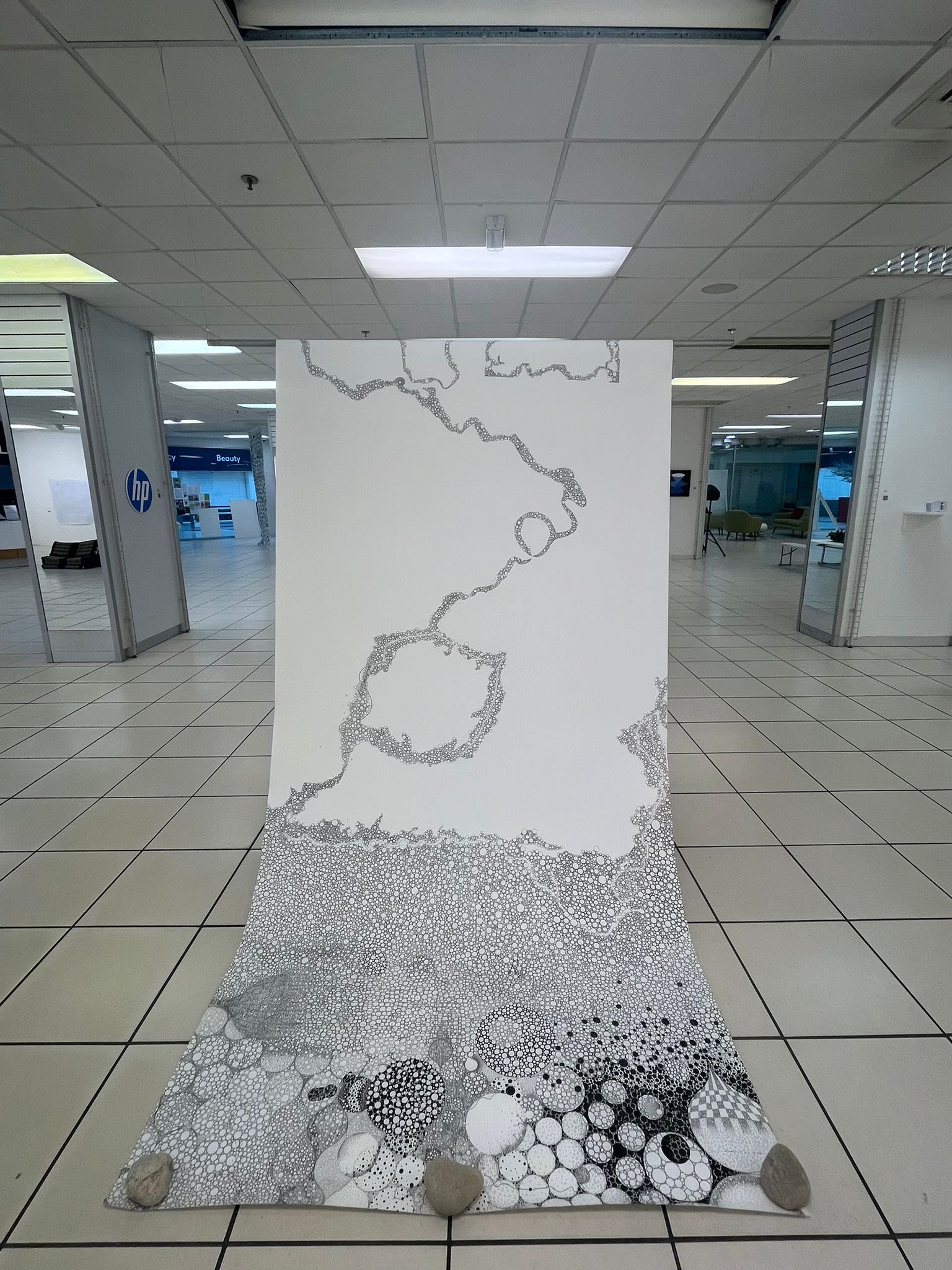

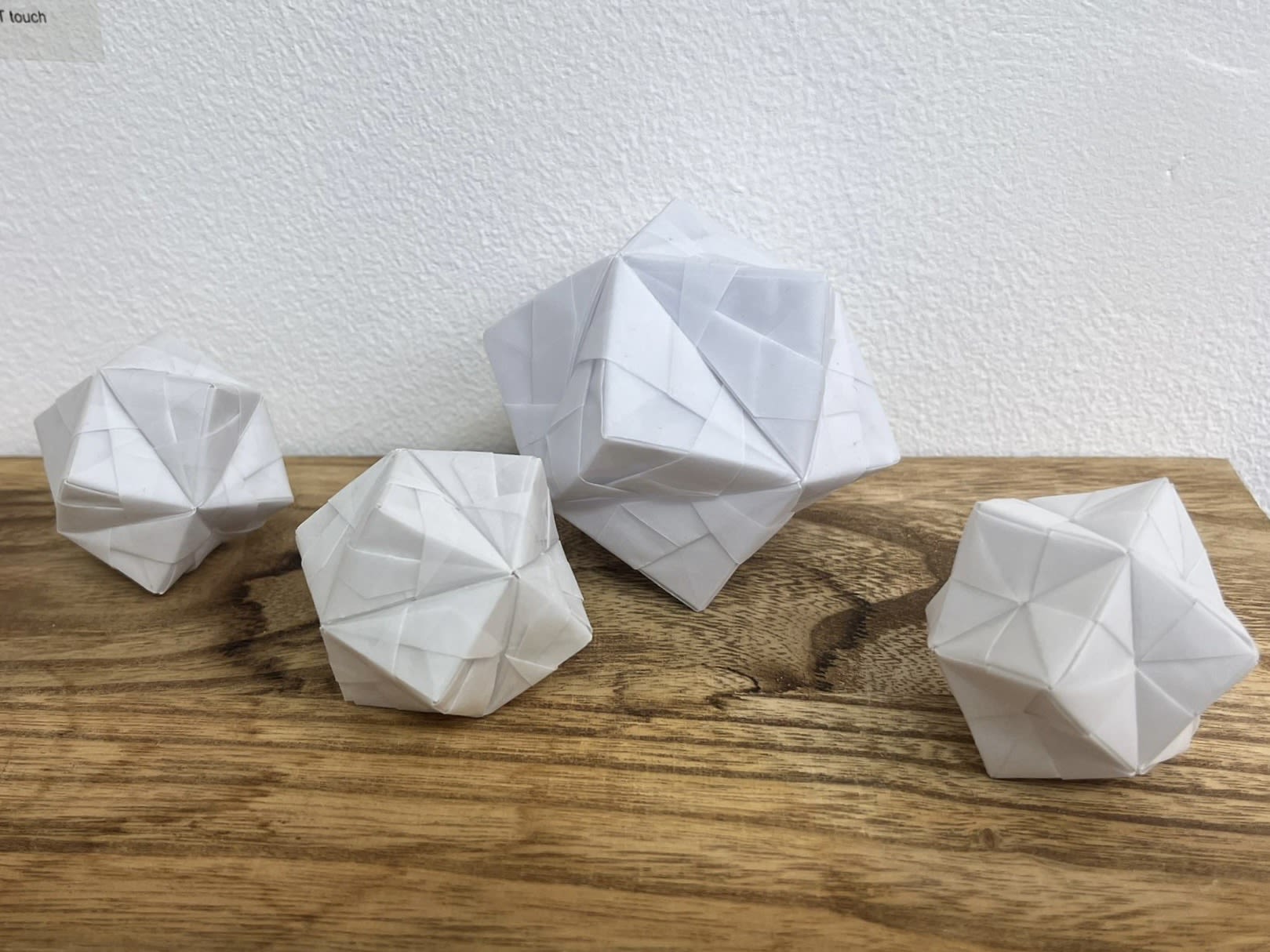
Sculpture at 'paper thin' exhibition in Boscombe. Photo credit: Luke Hills.
Sculpture at 'paper thin' exhibition in Boscombe. Photo credit: Luke Hills.
The importance of the gallery stems from two imperative ideals: that art is being lost to the online world, and artists are losing against the online world. With automation, generative AI and a loss of creative spaces, as of recently, artists and community have been dealt bad cards. Tom said;
“Especially in an area like Boscombe, which is known as a deprived area, it’s really important to be able to bring things to the residents and the local community that can help give them an experience when they’re out on the high street surrounded by lots of empty shops, as well as uplift the local community and celebrate what’s going on here.”
Ellen also relayed the importance of rejuvenating urban areas and bringing art forward where it isn’t typically recognised.
“I think perhaps that art or galleries are one way of re-animating those vacant spaces and putting art in places where people wouldn’t typically encounter it, to new audiences.”
Amanda shared a belief that advantage of these spaces must be taken to share and promote the arts.
“I think it’s important to be recycling former retail space- there’s so many empty spaces.”


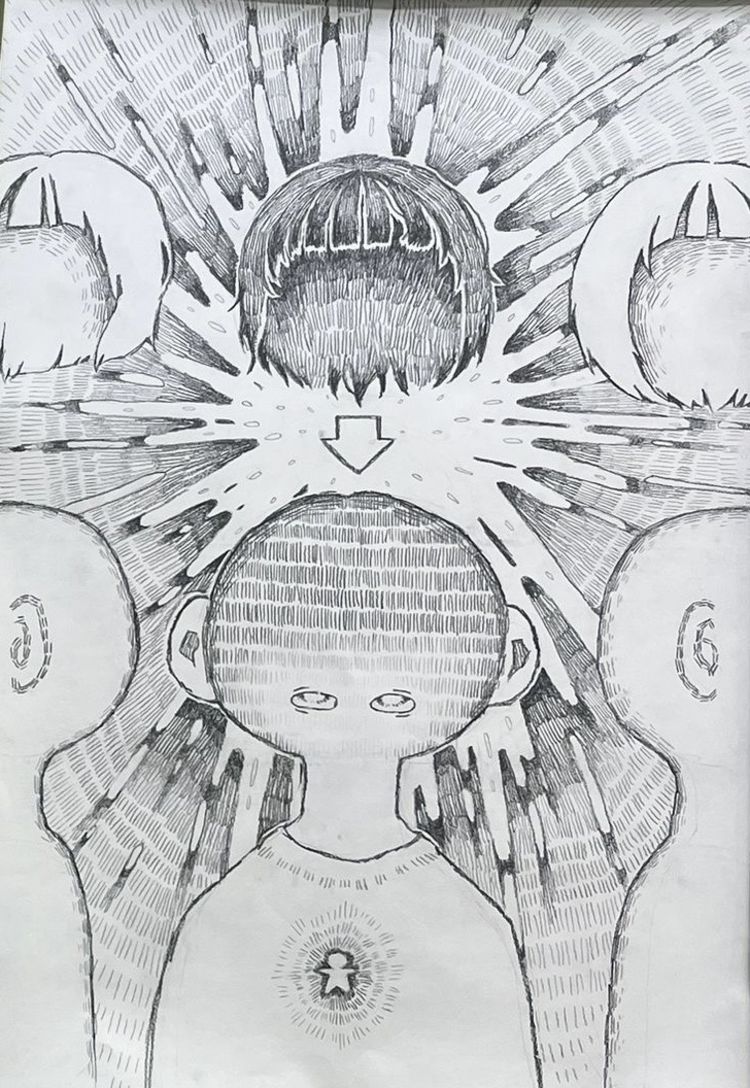
Art at 'paper thin' exhibition in Boscombe. Photo credit: Luke Hills.
Art at 'paper thin' exhibition in Boscombe. Photo credit: Luke Hills.
When asked how important it is to engage locals and building a hub for community, Amanda added,
“Well, we’ve been told we ought to be the catalyst! It is important for us, we’ve kind of broken our backs to get here.”
Although Ellen is not native to Bournemouth, she recognised Boscombe’s existing community focused initiatives.
“Even though it’s quite run down in the way that a lot of shopping centres are, there was something about that shopping centre where it did feel like they do have a lot of community initiatives. The fact that they’re willing to support Auger having a unit there is really positive.”
She also doted on the support from the community during debut night. Her Southampton collective is working to bridge to Bournemouth to spread their art.
“Bringing creativity and art to communities is super important because it’s very possible for the visual arts in particular to just exist in these very separate spaces.”
By filling empty urban areas, not only are creative spaces reestablished for the community, but room is made for artists to bring their work to the forefront. This is particularly important when there is a lack of opportunity for artists, especially post-graduate creatives.
Tom feels that embracing the work of new artists is multi-beneficial.
“Working with the Universities would be beneficial for the area to amplify the talent that exists and the talent that comes into Bournemouth. Obviously when you graduate, in regard to the creative industry, there’s not a lot of progression routes here. So, to be able to create those types of pipelines would be really beneficial.”
Giving ran-down high streets colour and personality is also a huge contributor to mental wellbeing- being able to walk down the street and be met with bustling creative areas rather than vacant stores. During mental wellbeing month, Amanda sees no question that art is a sound-mind preservative,
“It’s been proven that it actually helps, going into an art gallery. It lifts the mood.”
Tom also added that they had invited Dorset Mind to the opening reception of the exhibition.
“Coming to a gallery space, it’s about reflection, it’s about de-winding your mind and getting inspired- there’s a whole spectrum of creativity.”

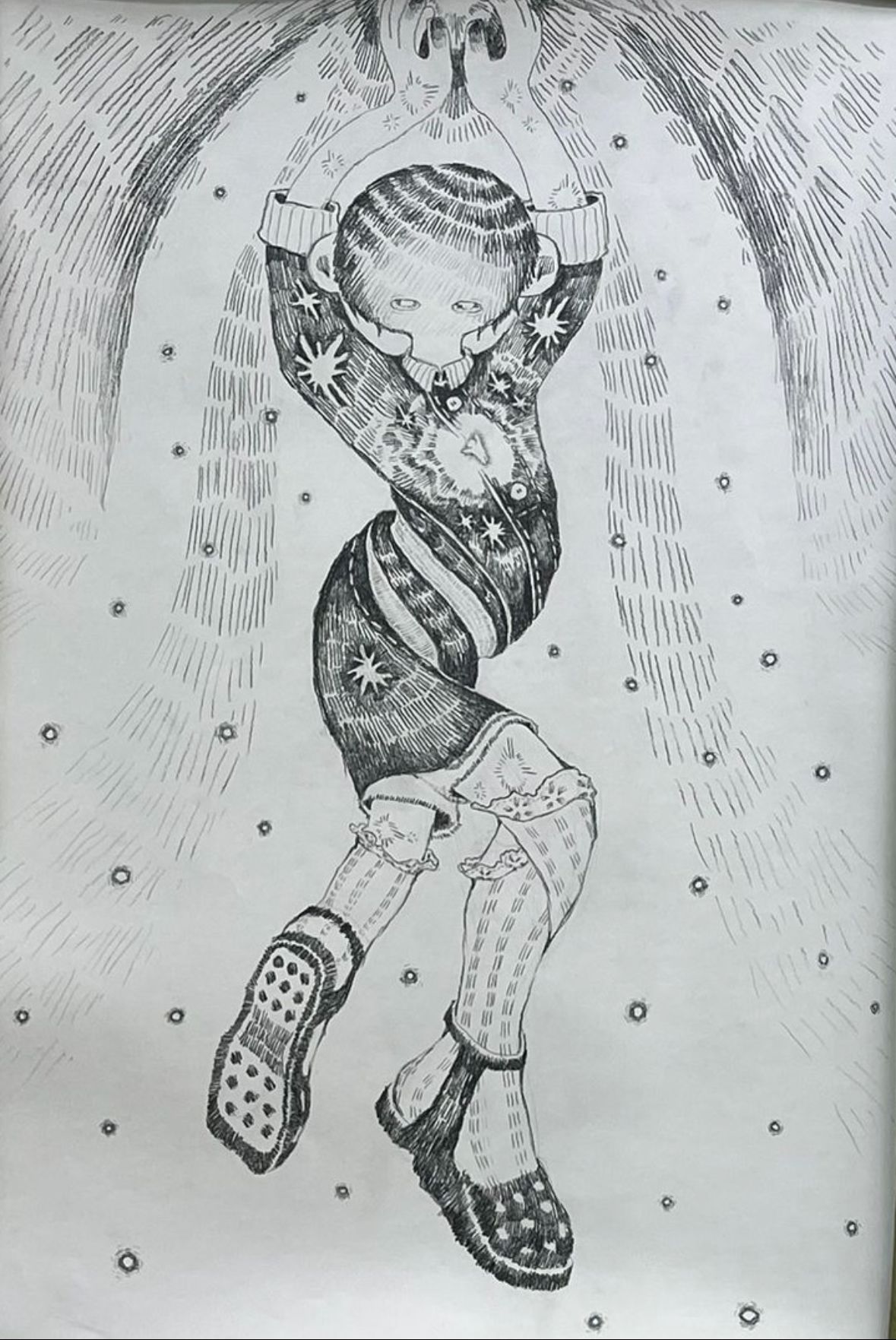
Art at 'paper thin' exhibition in Boscombe. Photo credit: Luke Hills.
Art at 'paper thin' exhibition in Boscombe. Photo credit: Luke Hills.
Ellen’s creative outlets replicate themes of experimental creativity, and child-like exploration with mediums. She wants her art to be felt by those that see it and believes in the impact of art.
“I like my work to feel playful and fun. I hope that that means it makes an easier way in for people to be intrigued or sometimes find humour in the work. In general, I like people to enjoy watching the work feel in on a joke. I think play is a big part of that.”
Collectives such as Auger are helping maintain artistic potential and belief in creatives. Providing spaces such as the ‘paper thin’ exhibition to local communities gives opportunities to many; a brighter high street for locals, an outlet for artists, and a space for art lovers to explore new ideas.
 Built with Shorthand