Bournemouth Drowned Out by Storm Chandra
The Seaside Takeover
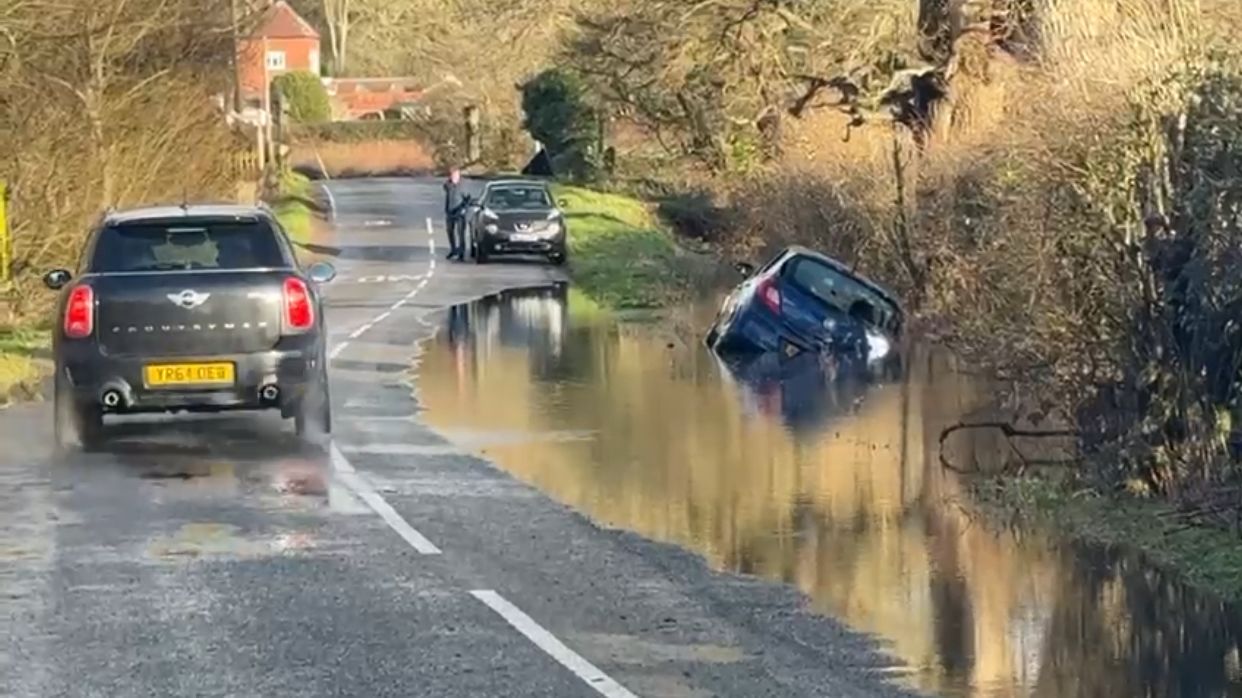

A torrential downpour has hit the beach town of Bournemouth all week. Storm Chandra has wreaked havoc all over the coast, causing major issues for road users across the Southwest. From road closures to floods stopping transport, this storm has been relentless and is going to continue on its rampage for many days.
With the storm raging on, this story will follow the journey we explored this week, where we chased the storm through its course throughout Dorset, showcasing the damage and issues it caused for residents. We have also dived into what is to come in the upcoming days, hoping that we can see when the storm eventually comes to an end.
The Forces of Nature
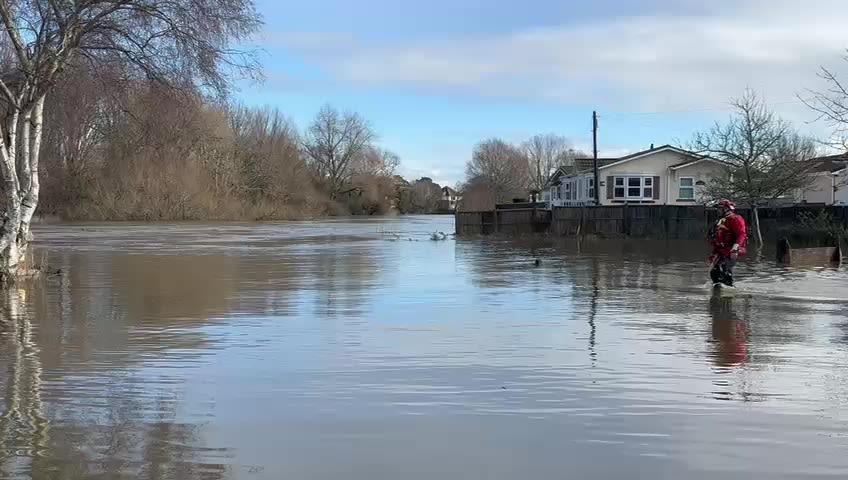

The Floods
Storm Chandra has been relentless with raining so much that it has caused serious floods across Dorset. On the 27th of January, we travelled to the Stour Valley Nature Reserve, where the storm had completely taken over the reserve, meaning locals who regularly walked through were unable to. We managed to speak to a regular visitor, Doug Turner, who found the eye of the storm by seeing it as beautiful, whilst others would see it as destructive.

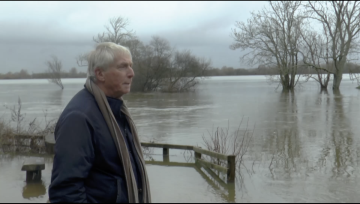
Doug Turner- Photo by Tiana Hynes
Doug Turner- Photo by Tiana Hynes
“But it’s quite wonderful to me because I’m looking at it and it’s a complete circle in nature.”

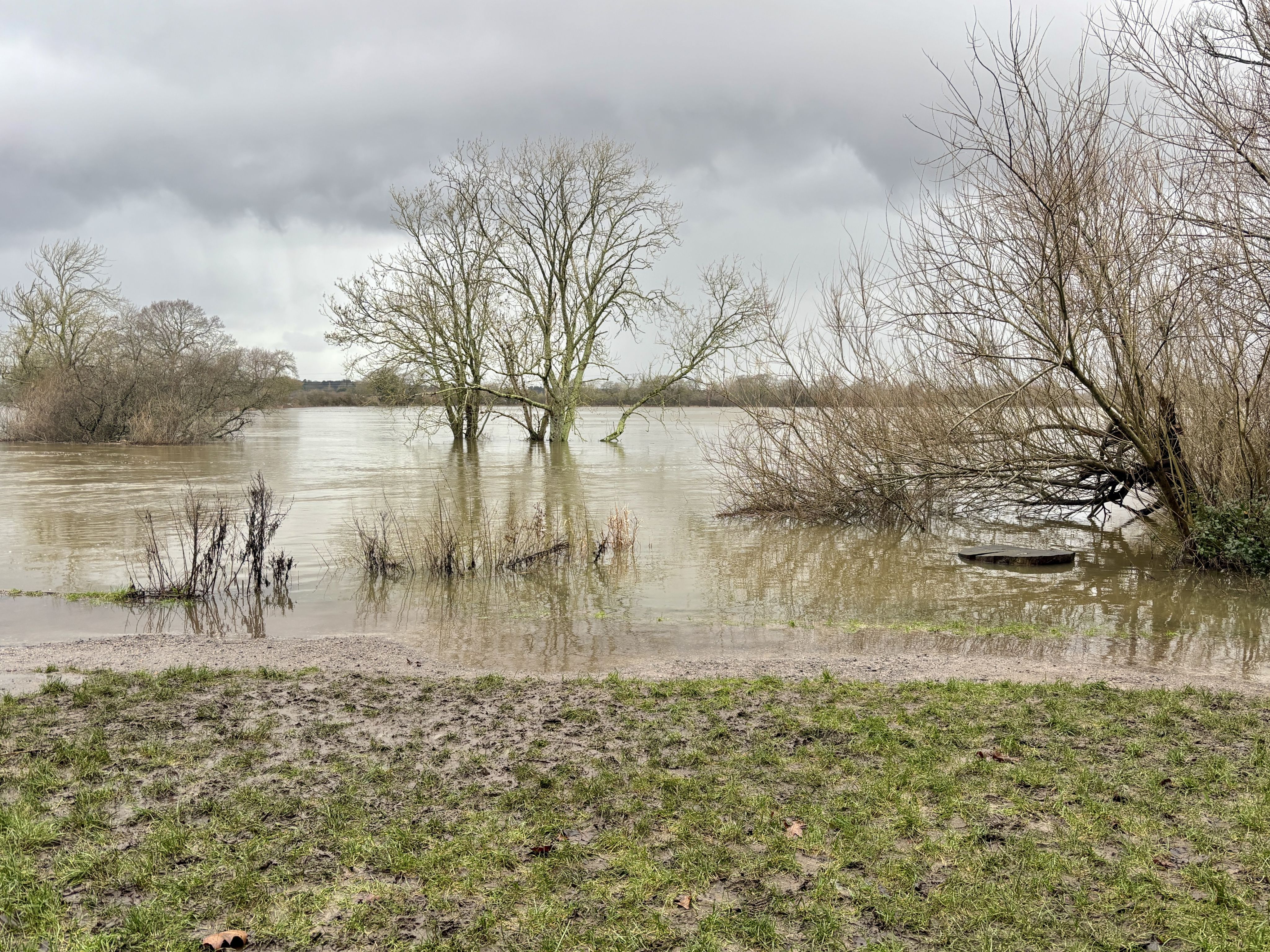
Stour Valley Nature Reserve- Photo by Tiana Hynes
Stour Valley Nature Reserve- Photo by Tiana Hynes
After discovering that Chandra was causing major issues amongst communities, we decided to look into the future forecasts for Dorset, and we found out that this wasn’t going to be a one-day downpour; it was going to last all week and even lead into the next week. The Met Office gave us all our updates on the storm.
Forecast in Dorset until the 4th Feb- Screen recorded from Met Office
Forecast in Dorset until the 4th Feb- Screen recorded from Met Office
With the rain filling up parks, it was beginning to affect roads, causing flood warnings and road closures that made it impossible for some people to even leave their homes. We then spent the next couple of days trying to find out how the people affected struggled with having less access and what this means for traffic in central Bournemouth.
Road to Recovery
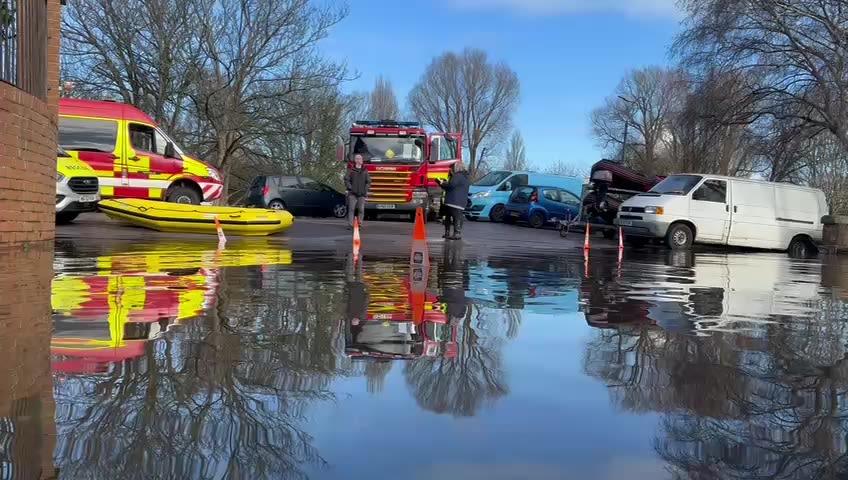

When the flooding started, Dorset & Wiltshire Fire and Rescue jumped to the rescue, saving multiple people from flooded cars and guiding people away from road closures with signage.
They urge people to only make necessary journey's and to not drive through roads that have big puddles as it is unsure on how deep they really are.

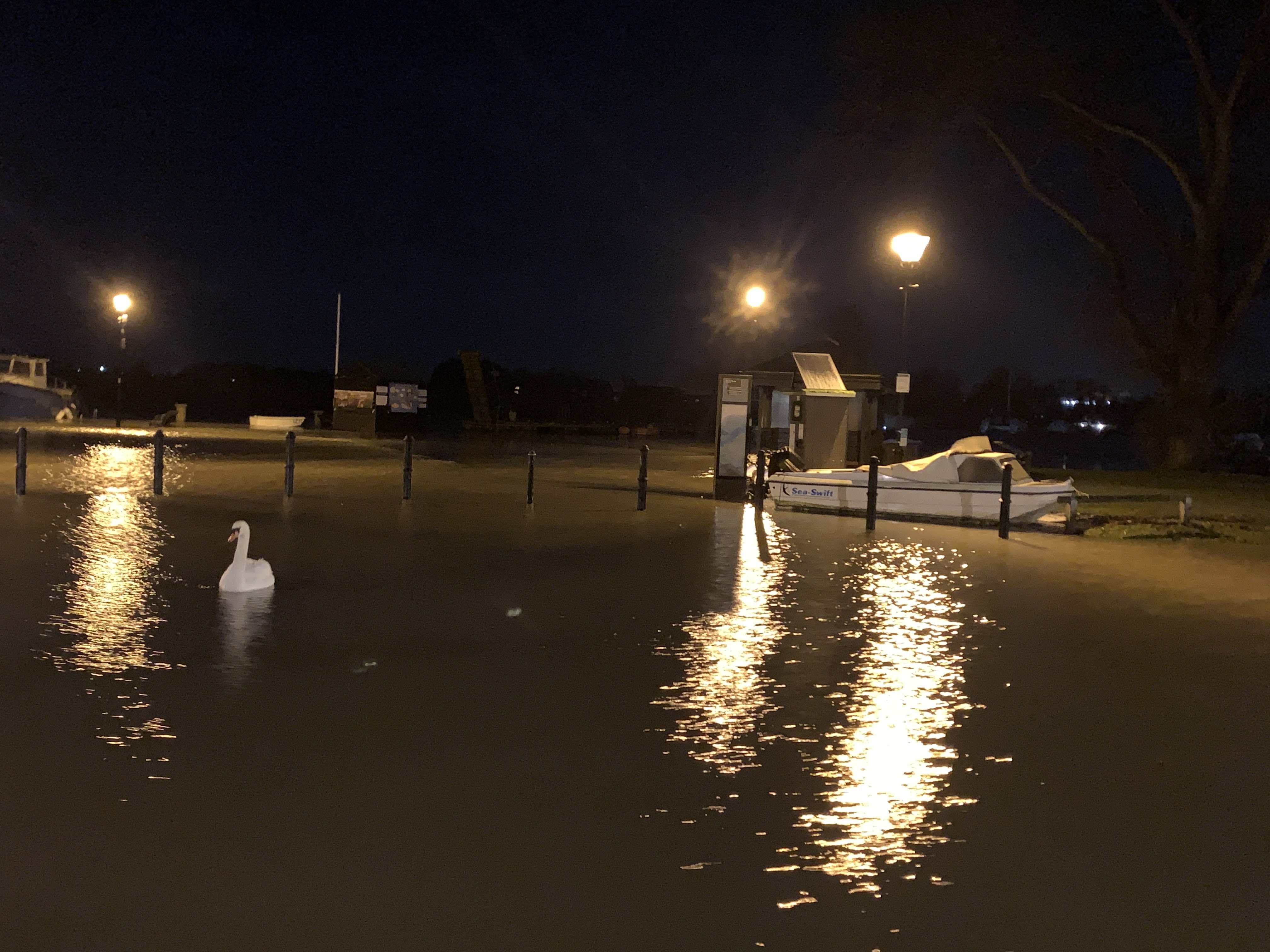
Floods rising over night- Photo by Ira Lemon
Floods rising over night- Photo by Ira Lemon
Dorset & Wiltshire Fire and Rescue have advised that when the roads are flooded this is what people should do:
Don’t drive through standing water – as well as the water damaging your car, there may be hazards under the water you can’t see, or it may be a lot deeper than you realise. If you see a sign to say that the road is closed due to flooding, remember the sign is there for a reason.
Don’t try to drive through or you might get stuck.
If you are driving a larger vehicle, do not go through flood water at speed as this creates a ‘bow wave’ that can then cause flooding to adjacent properties.
If you do break down in flooding, firefighters can only rescue you and anyone else in the vehicle. It is your responsibility to get the vehicle recovered.
When driving, if heavy rain is making visibility difficult, pull over if possible.
Remember that roads will be slippery during wet conditions.
Don’t try and walk through floodwater that is above knee level, as the force of the water could easily knock you off your feet. There is also a danger of open manholes, trenches or other hazards that you can’t see.
For further updates on the storm head to the Met Office for more official detail and stay safe.
Met Office link
 Built with Shorthand