What's that coming over the hill?
Bournemouth Vitality Stadium expansion raises light pollution concerns

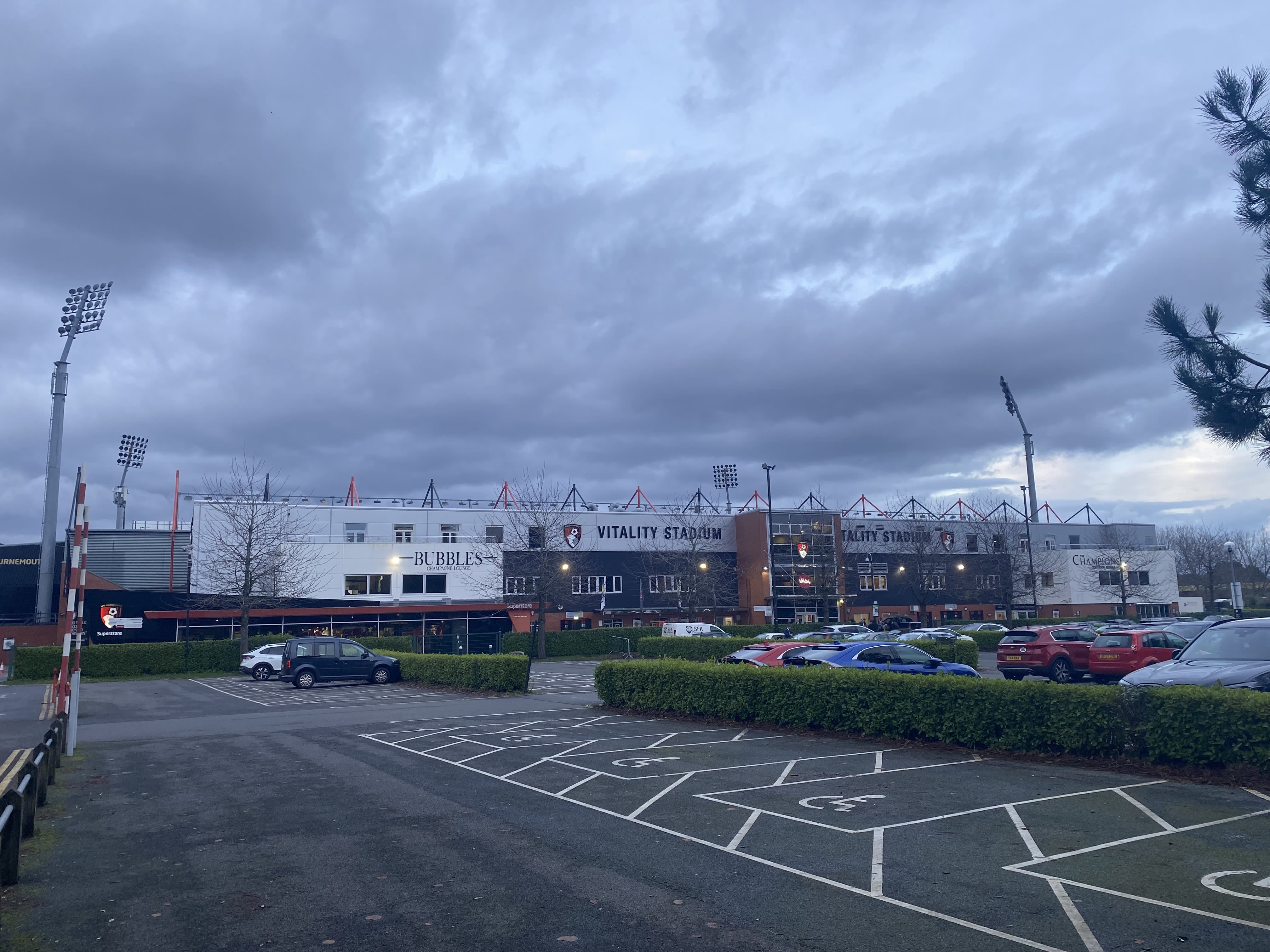
The Vitality Stadium in Bournemouth is Dorset’s largest stadium and has been a significant community hub in the area over the years.
However, recent plans for a £3.5 million expansion have raised concerns about light pollution.
The stadium uses UV lights overnight to stimulate the grass to grow. These lights are designed to replicate sunlight.
They are used primarily in the wintertime as sunlight is limited and the grass needs to be up to Premier League standards.
These standards set out that it must be level and free from any damage that would impact the players – such as scuff to the field.
The grounds are required to be of the same high standard for each game held at the stadium and so daily maintenance is needed.
If they fail to maintain these standards they'll receive financial penalties.
To accommodate this, the stadium uses bright lights called pitch maintenance lamps. These are on throughout the day but create their recognisable glow at night.
Special covers called germination sheets are also used by the stadium. They work to maintain the grass after being placed over newly seeded soil by helping the seeds to sprout faster and grow evenly.
They're frequently used on large areas of grass where fast and reliable growth is needed to preserve both the appearance and playability of an area.
These sheets are only used when the pitch is in its worst condition throughout the season.
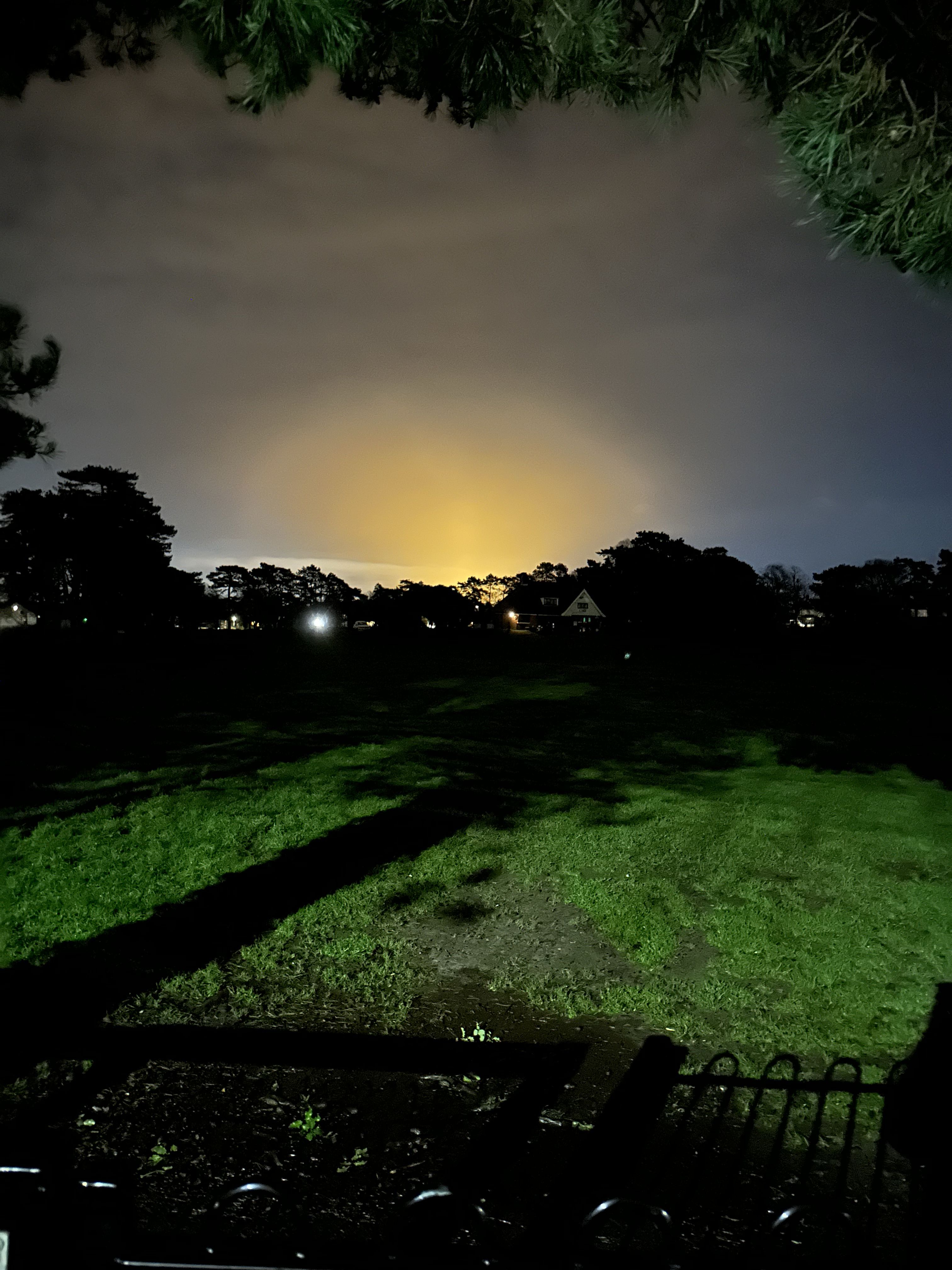
It is the combination of these germination sheets and grow lights which creates the large, orange glow visible in the sky at night.
According to AFC Bournemouth, the use of this equipment combined with foggy and misty weather conditions creates an even larger glow.
“This approach is common across professional football and is a necessary part of modern pitch management.
“We appreciate that this may be noticeable to some residents and apologise in advance for any inconvenience it may cause.
“The use of the sheets will be strictly time limited and removed as soon as pitch conditions allow.
“We would like to thank residents for their understanding and ongoing support.”
Vitality Stadium Spokesperson
Light Pollution Concerns

However, residents in the surrounding area have raised concerns over their use.
Sara Armstrong, Green Party Councillor for East Cliff and Springbourne, says she has been receiving complaints from her constituents.
Many have mentioned having their sleep disrupted due to the bright lights, with some claims that the glow is "bright enough to bypass black out curtains" and "light up rooms."
Others have drawn attention to the impact on local wildlife as they report hearing birds tweeting in the middle of the night.
However, Ms Armstrong is not opposed to the stadium's expansion.
"I do support them. I’m a Cherries fan and they do so much in the community."
Instead, Councillor Armstrong believes that this is an opportunity for Vitality Stadium to lead the way on the issue of light pollution from stadiums.
"AFC Bournemouth could be the trailblazer. This issue has not been cracked nationally and the club has got such a connection to the community as a major part of its identity. If they were to take a stand against environmental issues it could make a massive change."
In July 2023, the Football Association launched a five year sustainability strategy called 'Playing for the Future'.
As part of this they set out plans to "drive forward our environmental ambitions and be a role model in shaping a positive football future for all".
Ms Armstrong believes that Vitality Stadium could "set the standard" when it comes to the issue of light pollution.

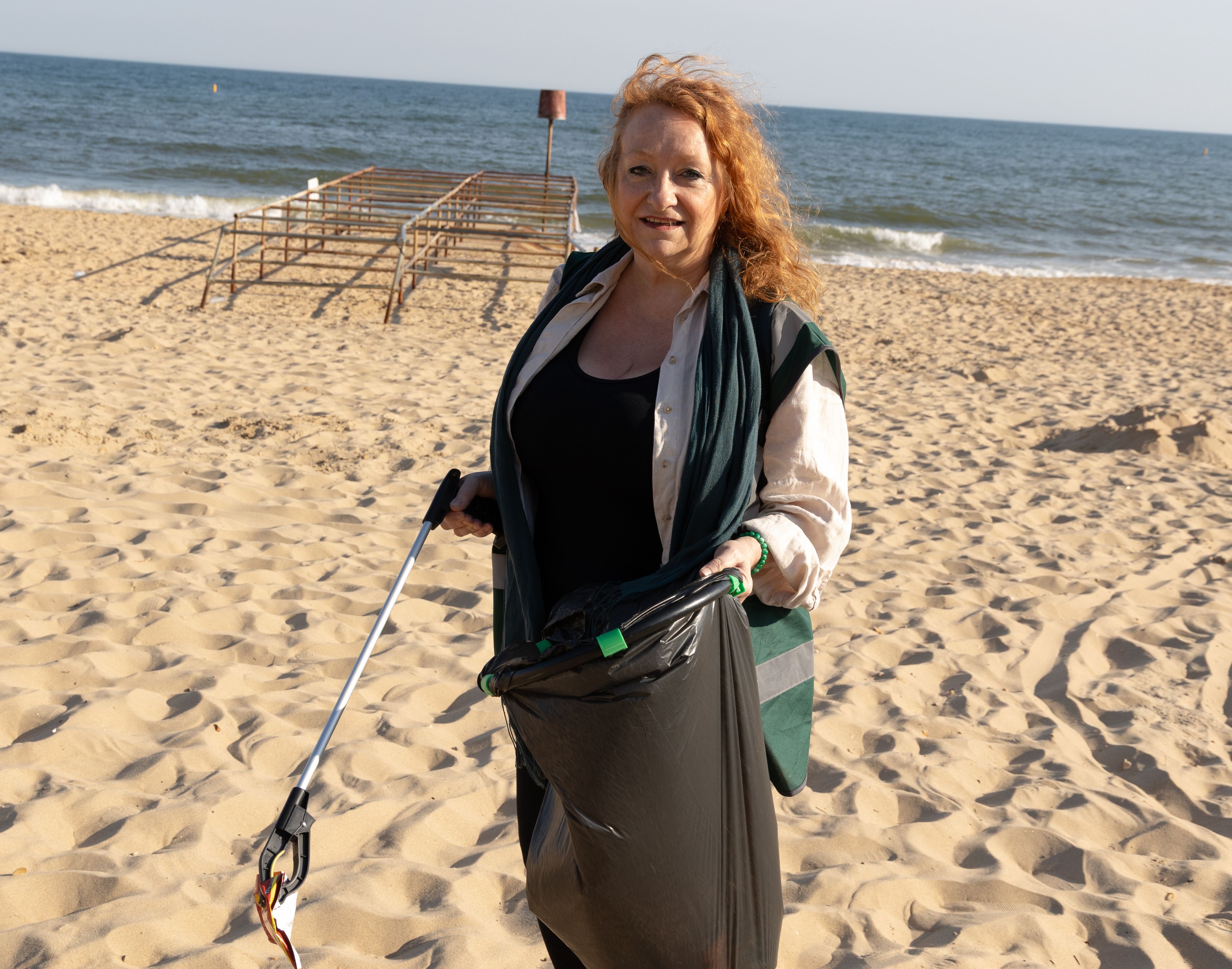
Green Party Councillor Sara Armstrong at a litterpick. Photo by Maisie Edwin.
Green Party Councillor Sara Armstrong at a litterpick. Photo by Maisie Edwin.

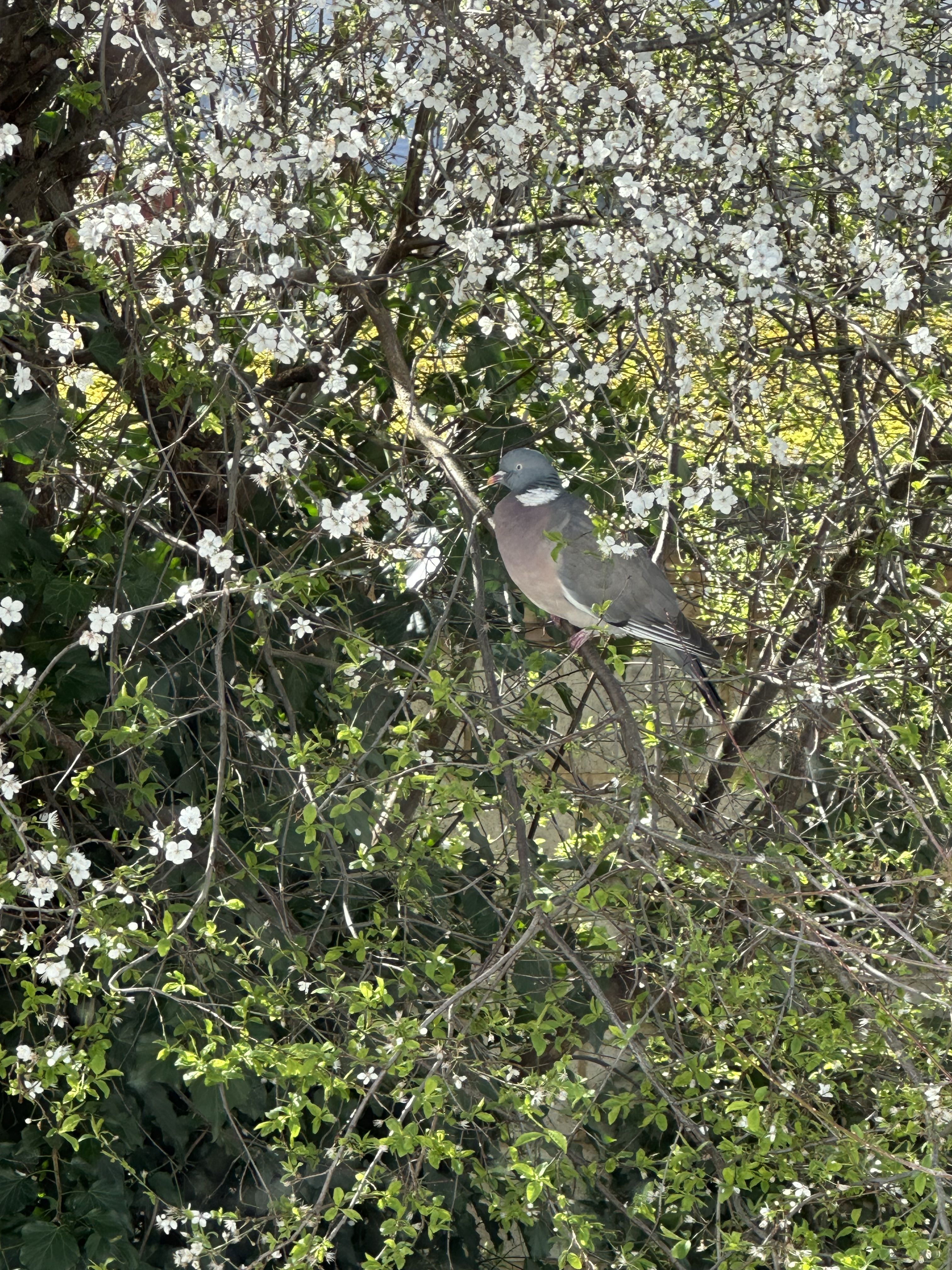
A close up of a pigeon in a tree. Photo by Maisie Edwin.
A close up of a pigeon in a tree. Photo by Maisie Edwin.
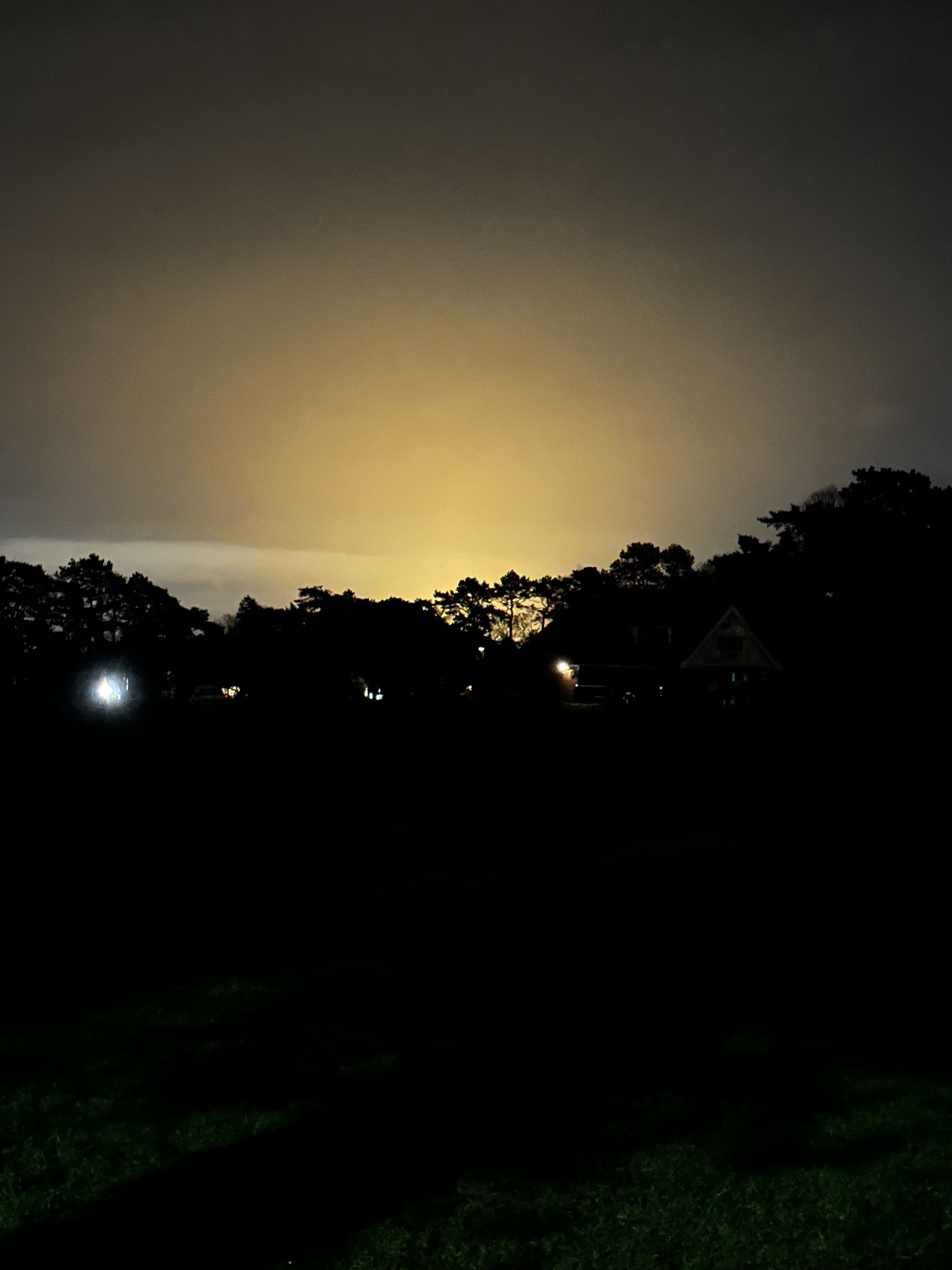
Close up of bright glow from Vitality Stadium. Photo by Maisie Edwin.
Close up of bright glow from Vitality Stadium. Photo by Maisie Edwin.
Studies on Wildlife Impact
As well as the human impact, concerns have been raised over the impact of the lights on local wildlife.
According to research by Dr Brent Pease, birds in particular have been found to stay vocal for around an hour later when in bright environments at night.
Dr Pease is an assistant professor of biodiversity conservation at Southern Illinois University Carbondale.
He stated in his research article on the topic that bright lights negatively impact wildlife due to their inbuilt light–dark cues, which they rely on as “timetables for life.”
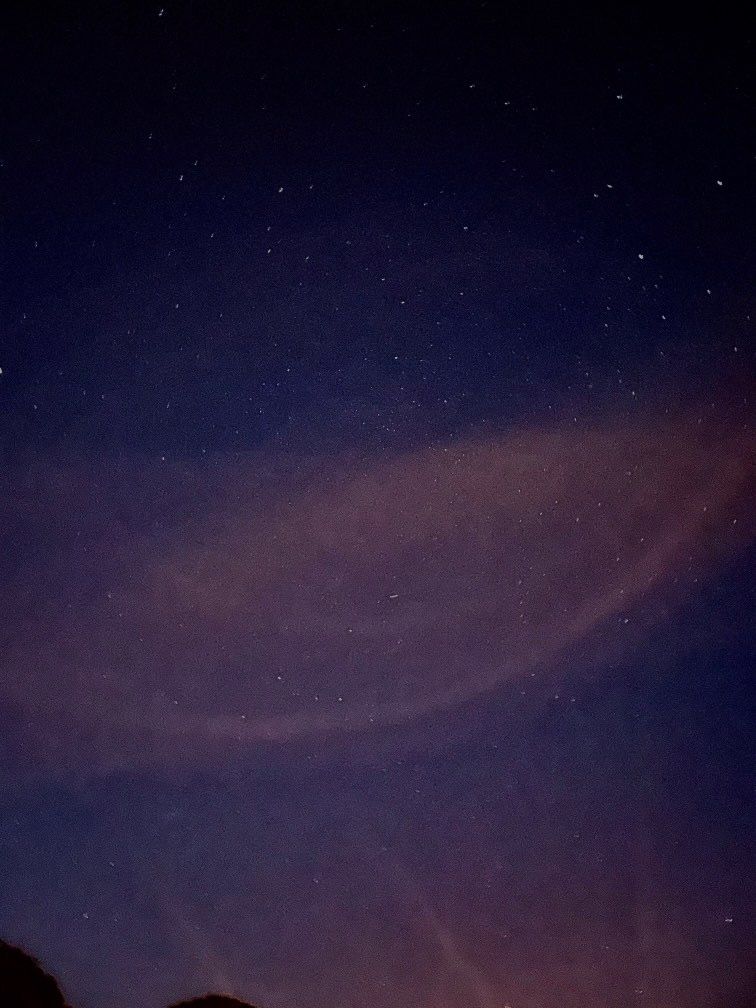
Photo of the night sky. Photo by Maisie Edwin.
Photo of the night sky. Photo by Maisie Edwin.
Only
5%
of people can enjoy the wonder of a truly dark starry sky.
(Star Count, 2023)
The BCP planning consultation for the expansion of Vitality Stadium ends next week.
There are high hopes for both the future of the stadium and the possibility of environmental interests being considered.
 Built with Shorthand