Disconnect to reconnect
Removing smartphones in Dorset schools
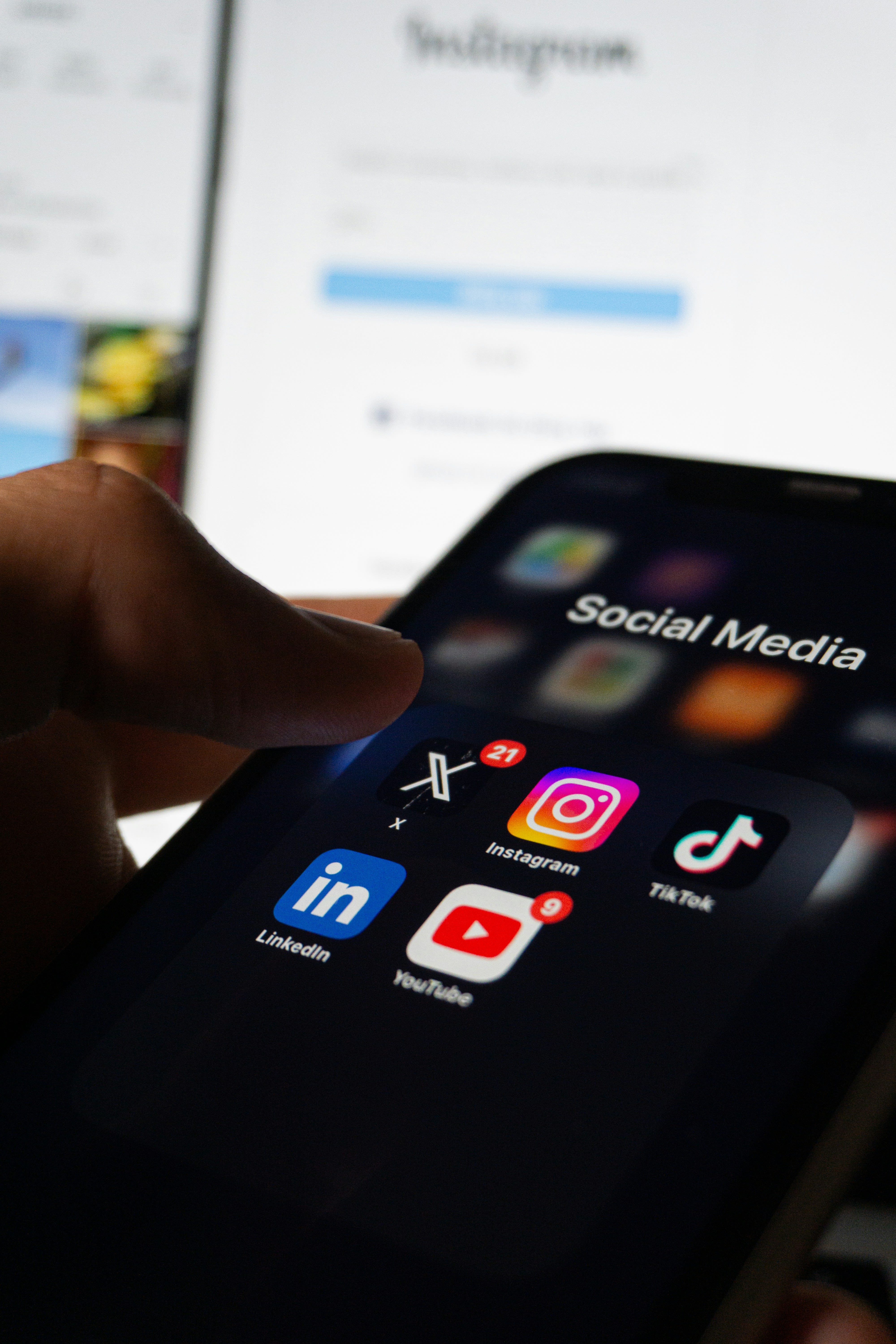

For many of us, the day begins with our phone. It’s the music in our headphones, the videos watched on the journey to school, university or work, the message sent to a friend to say we’re five minutes away, and the card tapped against the bus reader. A small silver block that has become the key to unlocking almost every part of modern life.
But for a growing number of school children in Dorset, that constant connection has been taken away. As schools start to ban smartphones, pupils are being asked to step back from screens and return to a simpler routine, one where real-life conversations replace notifications, and the classroom, not the phone, demands their attention.
Dorset Council has urged families to postpone getting their children smartphones until the age of 14 in an effort to ban their usage in schools, with BCP council expressing a similar sentiment in recent weeks.
Smartphone Free Childhood is a national campaign group who worked with Dorset Council, young people and the Dorset Education Board to help develop guidance with school leaders to encourage schools to prohibit smartphone use during the day, as part of their behaviour policies.
Andrew Wilmot, a member of the Smartphone Free Childhood movement, explained the importance of the work they do with Dorset and BCP council.
“I know that we're split between Dorset Council and BCP, but we've got over 2500 signatures [on their petition to ban smartphones to under 14s] in Dorset alone,” Wilmot said.
“We are speaking with schools across BCP, across Dorset, working with both councils on guidance, and basically giving our views and expert opinion, we are experts on this topic. to support them in moving towards better policy in this area.”
Wilmot also added that the schools who have followed the guidance have described the changes in behaviours at “transformational.’
St. Peters Catholic Secondary School in Southbourne is one of the first schools in Dorset to adopt a zero tolerance smartphone free year group with their newest cohort of year sevens. Students who joined the school in September 2025, were pre-warned upon induction that smartphones will not be allowed on their person at all on the school premises.
James Wilder, the deputy head teacher at St. Peters, expressed the severity of their smartphone ban for their youngest year group.
“A smartphone for a year 7, that's as prohibited as a vape or a cigarette or a bottle of alcohol. It's in the same category for us.”
But the reasons for the ban goes much deeper than surface level academic benefits.
“Families really should be saying no to smartphone ownership,” Wilder said. “Year seven, eight, nine aged children don't need a smartphone to be kids and to get through life.
“Realistically, if social media didn't exist, smartphones wouldn't be an issue.
“Smartphones are the gateway to stuff we don't want children accessing, even as a parent myself. I don't want my kid having access to misogynist content, to pornography, to radicalisation, people's views are so toxic. It's too much for young brains and our parent body are massively behind it.”
Wilder has high hopes for how a child may benefit from smartphone free learning, and St. Peters are already seeing the benefits just four months in.
“We’ve had three smartphones confiscated the whole year in year seven. That’s with 240 children, and a lot of days in school.
“And we haven’t had anywhere near the level of social-media based fallouts or issues that have turned into real life in school because of something that has happened in the virtual world. That's been something that has had a massive drop with this year's year 7s.”

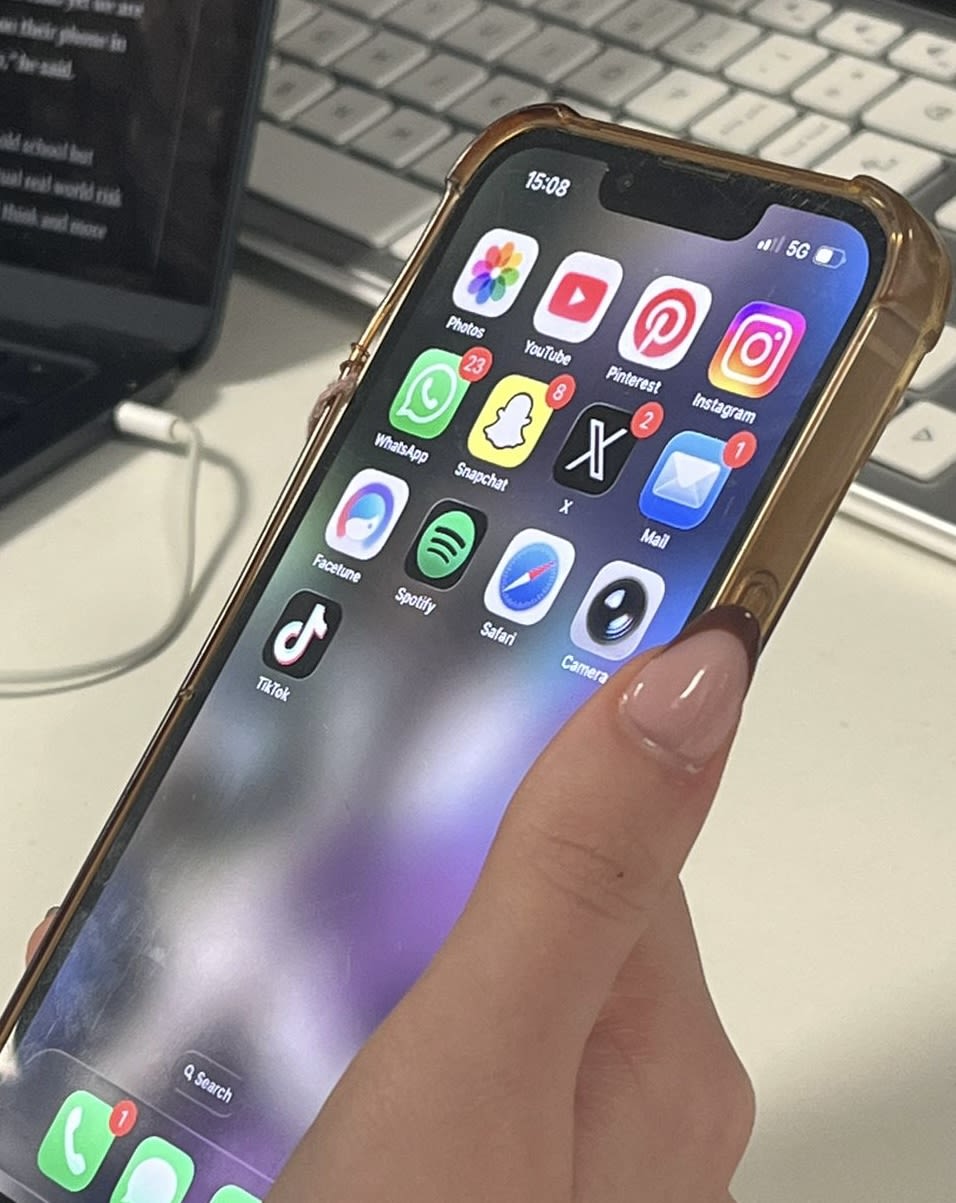
While it has been seen that academics and focus are improving at St. Peter’s School, a wider concern for parents that Smartphone Free Childhood is asked about is how students can improve their digital literacy in the modern age without keeping up with smartphone usage.
“You still teach digital literacy. You know, I learned about drinking in moderation and the health impacts of alcohol at school. What school didn't do is give us 30 boys, several bottles of Frosty Jacks or Lambrini, and told us to go nuts,” Wilmot said.
“You don't learn to drive by taking a Ferrari out on the motorway. You do things steadily.
“So, we're not saying that smartphones need to be purged from the world, we are saying that they are inappropriate devices to be given to children.”
While parents with children at St. Peters have been wholly positive in response to the smartphone ban, other issues have arisen as a result of taking away the very thing that has become so prevalent in day to day life for adults.
Tracking children with phones has increased exponentially in recent years and lines have blurred with apps like find my friends on iphone and Life360 becoming synonymous with a child’s safety.
Rewined even just five to ten years and primary school children were trusted and able to walk a short distance to school alone. Now, in a new wave of ‘helicopter parenting,’ phone tracking seems to be the norm when keeping a child safe. And while the technology in smartphones improves, are we seeing an over reliance on phone tracking?
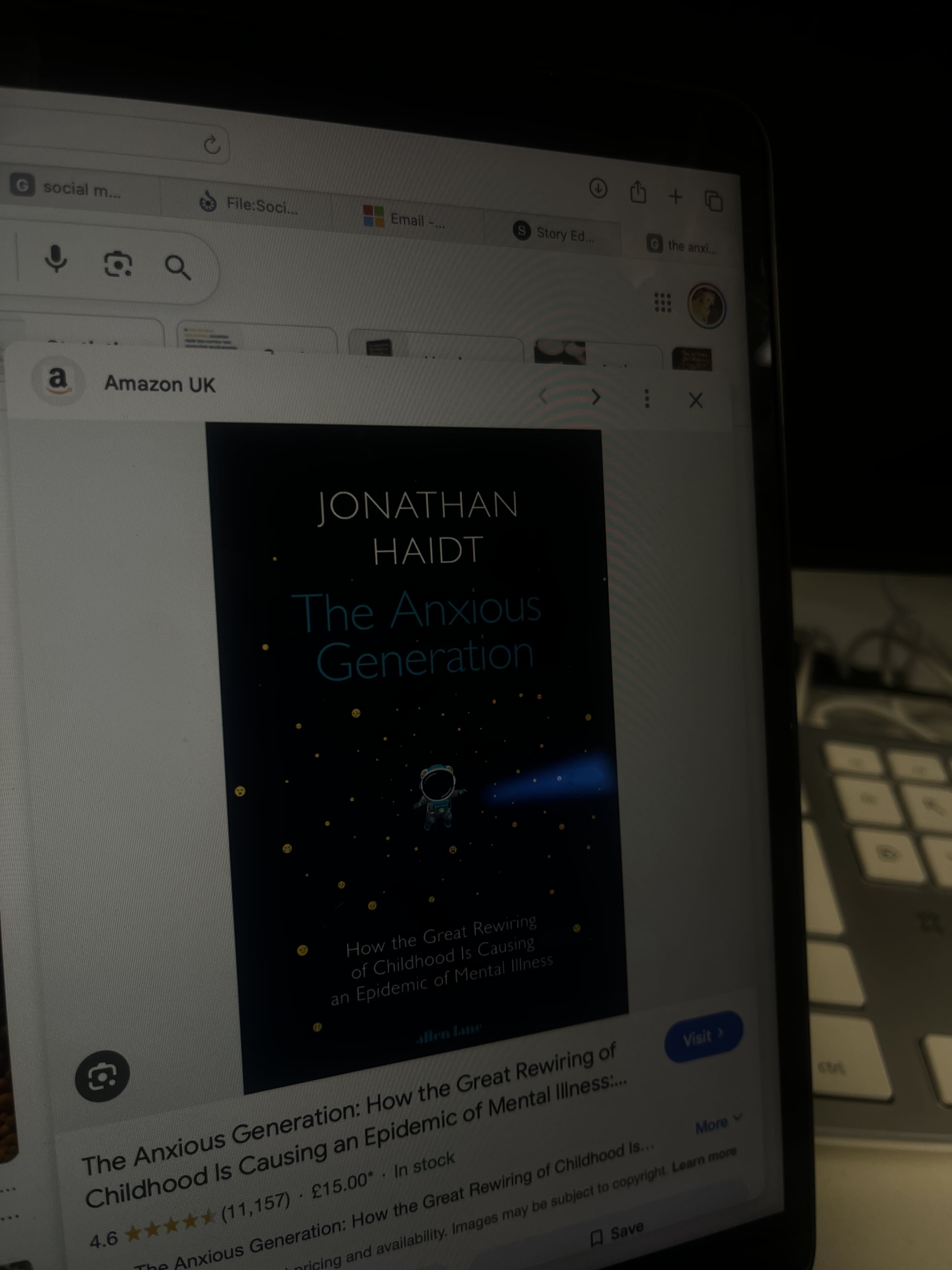
The Anxious Generation, a book by Jonathan Haidt explores the idea of taking away a child or teenagers access to social media and replacing it with real life risk taking. Something that Wilder aligns St. Peter's beliefs with strongly.
“We’ve almost stopped, as parents, letting children take those real life risks yet we are happy to have strangers on their phone in their bedrooms with them,” he said.
“It is shifting back a little bit old school but there's nothing wrong with actual real world risk because it's more manageable I think and more predictable.”

To combat parental concerns, staff at St. Peters suggested other mediums of tracking that don’t require a smartphone, such as apple air tags. Something that Ali Jeffs, a mother from Bournemouth, strongly disagrees with.
Jeffs, a parent whose children don’t attend St. Peters school, is adamant that a phone is necessary for a child’s safety.
“I think it's absolutely ludicrous that [schools are] saying [students] can't take phones because the majority of the people want to track their children to make sure they're safe,” Jeffs said.
With personal past trauma involving a missing child, Jeffs has said a smartphone for her son is imperative for safety and her own mental well being.
“I have been one of the parents that have had a missing child with no phone,” Jeffs said. “My stepdaughter, when she was 14, had no phone and she was a missing child… I’m not ever going through that heartache ever again of wondering whether the hell she's been abducted, murdered, killed, beaten-up and not knowing anything for 4-5 days where her whereabouts is. If she had a phone she could have been tracked. So I have been very vocal, while I agree that no phones during school days, for the safety of my child, I want to know where he is.”
While air tags have been a successful suggestion for parents at St. Peters, it is not a practical solution for all parents.
“Airtags are useless. The apple airtages don't work,” Jeffs said. “You have to be within a certain range. I can go on the phone now and see he is at school. That is the only reason he has a phone - to keep him safe.
“It should be down to the parents discretion whether they give their child a phone. The whole point is I’m tracking my child that's why he's got a phone - otherwise he wouldn't have a phone yet.
“If your child is walking to school, what happens if they get hit by a car? How is anyone going to know who to contact? On [my son’s] phone he has emergency contacts so if they need to get emergency assistance for my child they can get it straight away. That crucial information on his phone could potentially save his life.”
As smartphone bans continue to spread across schools in Dorset, opinions remain divided. For some parents and teachers, quieter classrooms and improved focus suggest the policy is working. For others, concerns about independence and communication still linger. What is clear, however, is that the debate reaches far beyond the school gates. In a world increasingly shaped by screens, the decision to ban smartphones forces a bigger question: whether disconnecting during the school day is a step backwards, or a necessary move forward.
 Built with Shorthand