The financial struggles of tennis
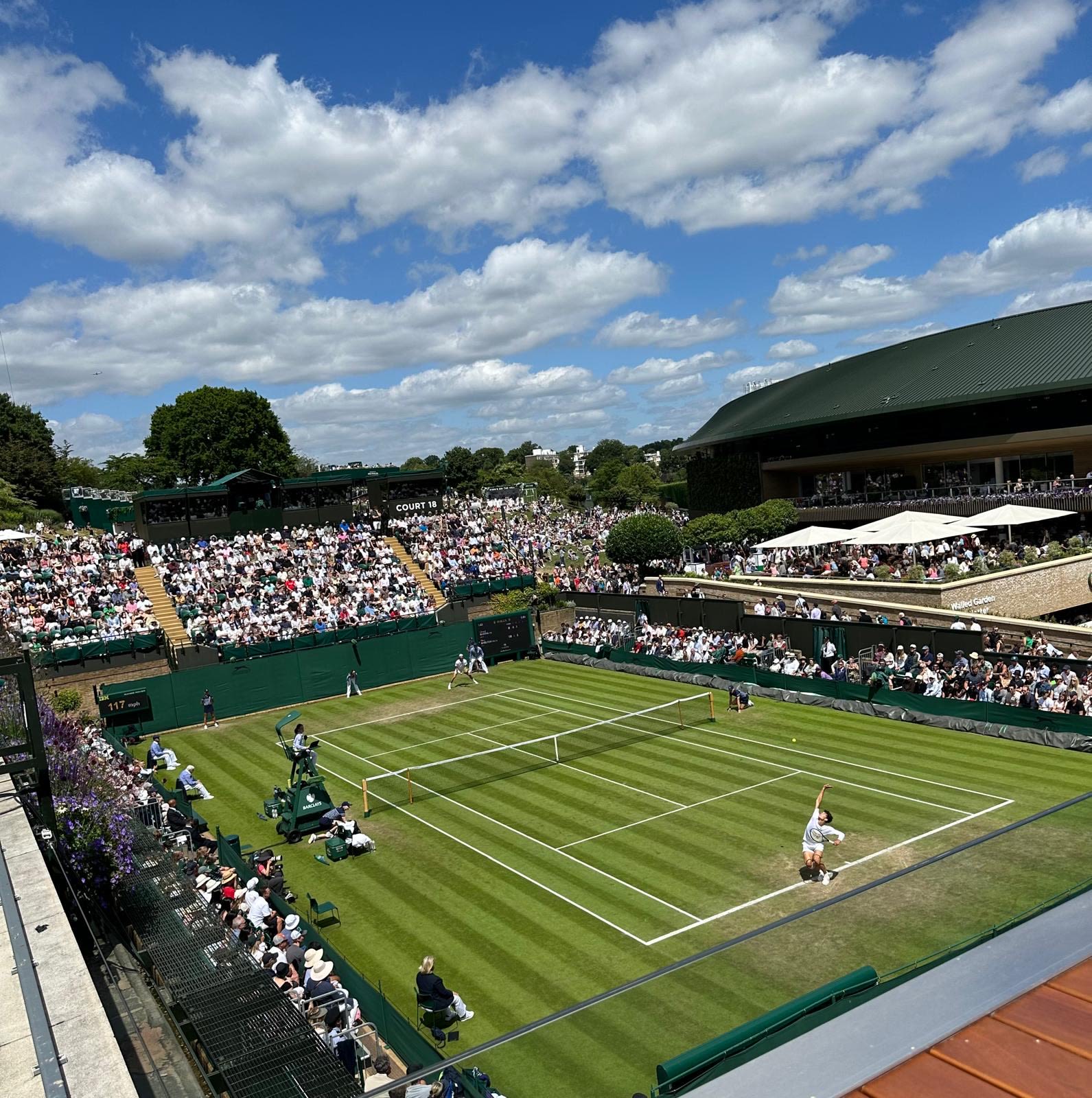

For many young tennis enthusiasts, turning pro when they’re older will be an ultimate dream. Many believe their passion, talent, and overall desire to succeed will carry them to the destination of a professional tennis player.
What most don’t take into account is the variable that is often completely out of their control; money. Unbeknownst to many, the road to becoming a professional player racks up a hefty bill.
Taking into account equipment, travel, and court fees to name a few, the cost tally accumulated during the road to professional becomes quite substantial.
James White is the current director of tennis at West Hants Club in Bournemouth. He’s lived a life surrounded by tennis, playing at a county level, as well as coaches some of the UK’s top professionals such as Jack Pinnington Jones and Jacob Fearnley.
Naturally with all his experience, he knows all too well the struggles that come when making it to the top.
“The journey to becoming a professional tennis player comes with huge financial and mental pressure,” says White,
“There’s a good chance you can be on the road for up to 30 weeks or more a year”
“Travel and expenses could easily run into 50 or 100 grand per year so unless you’ve got the support of a national governing body or sponsors or wealthy parents, it becomes a virtually impossible task.”
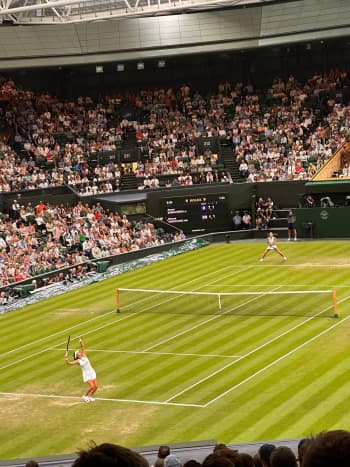

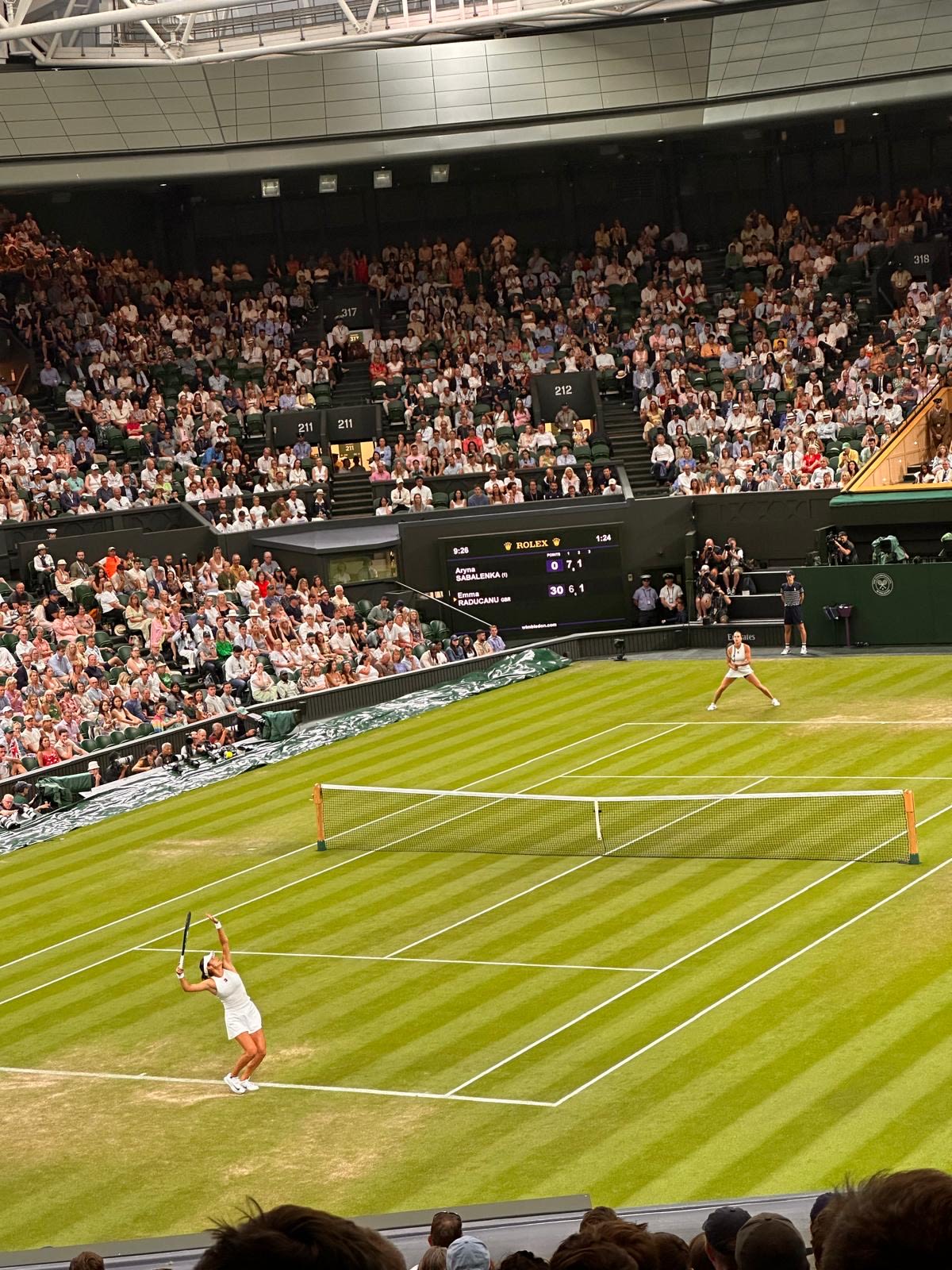


As a result of the financial obstacles, many aspiring athletes have resorted to moving out of the UK to pursue their dreams of turning professional.
“A lot of the British boys are choosing the American College route,” says White. “They can go there for a few years, get some really good level tennis training at no cost if they’re on a scholarship then they can progress into the men’s game,”
“We’ve seen it recently with a couple of lads that used to play at West Hants like Jacob Fernly, Toby Samuel, Jack Penington Jones, that have recently got into the top 100 in the world having been out in America,”
“However, those boys were fortunate enough that they do have support of parents to make it possible, some don’t.”
Unlike team sports such as football and cricket where players are put on contracts, with wages being given out throughout the sports pyramid; tennis players at the lower professional levels, like many others in solo sports, don’t have that luxury.
The financial drop off from the elite to the standard professional tennis player is sizable.
“The reality is there is only the top 150 in the world, both men’s and women’s that are able to make a living from tennis, below that it would be very difficult to cover your costs at best,” says White,
“When making that transition and trying to get into that top 150, you need the support of coaches but the additional costs of that make it very difficult,”
“Certainly, at the lower levels you’re not travelling with coaches or a support team because of the cost so it can be an extremely lonely and isolated lifestyle; it’s a definite barrier in the game.”





Unlike team sports such as football and cricket where players are put on contracts, with wages being given out throughout the sports pyramid; tennis players at the lower professional levels, like many others in solo sports, don’t have that luxury.
The financial drop off from the elite to the standard professional tennis player is sizable.
“The reality is there is only the top 150 in the world, both men’s and women’s that are able to make a living from tennis, below that it would be very difficult to cover your costs at best,” says White,
“When making that transition and trying to get into that top 150, you need the support of coaches but the additional costs of that make it very difficult,”
“Certainly, at the lower levels you’re not travelling with coaches or a support team because of the cost so it can be an extremely lonely and isolated lifestyle; it’s a definite barrier in the game.”


For last summer’s tournament that Joshua competed in, it cost him “a couple thousand pound”; he received less than £500 back, coming out worse off for competing.
“I think it discourages a lot of people from pursuing a tennis career even though they love it,” says Furneaux,
“You can have constant worries about sponsors or have you got a lot of family money, so that could also be decreasing your performance,”
“Some people may not be the most talented but they have more money so they may be able to get further and vice versa.”
This was also the case for owner of the BTA tennis academy and former British Tour player, Harry James.
“There’s a real difference when playing as a junior for fun and as a job,” says James,
“I found the pressures within that changed a lot and then in turn it can affect your motivation,”
“It suddenly turns from a hobby that you’ve loved doing your whole life to when u get to 18 and are having to compete and win for your livelihood, it’s definitely something that you’re conscious of.”
To help combat these financial difficulties, the LTA do host lower-level tournaments in the UK which does help that players can play 10-15 weeks of those tournaments without the cost of travel abroad.
“This does give people the opportunity to get there ranking up to maybe 400-500,” says White,
“But even so from there you’ve still got the travel across Britain if you wanted to make the jump up and there’s a good chance you can be on the road for up to 30 weeks or more a year.”




 Built with Shorthand