
Finding strength through boxing: a Bournemouth fighter’s story
Refusing to let disabilities define her
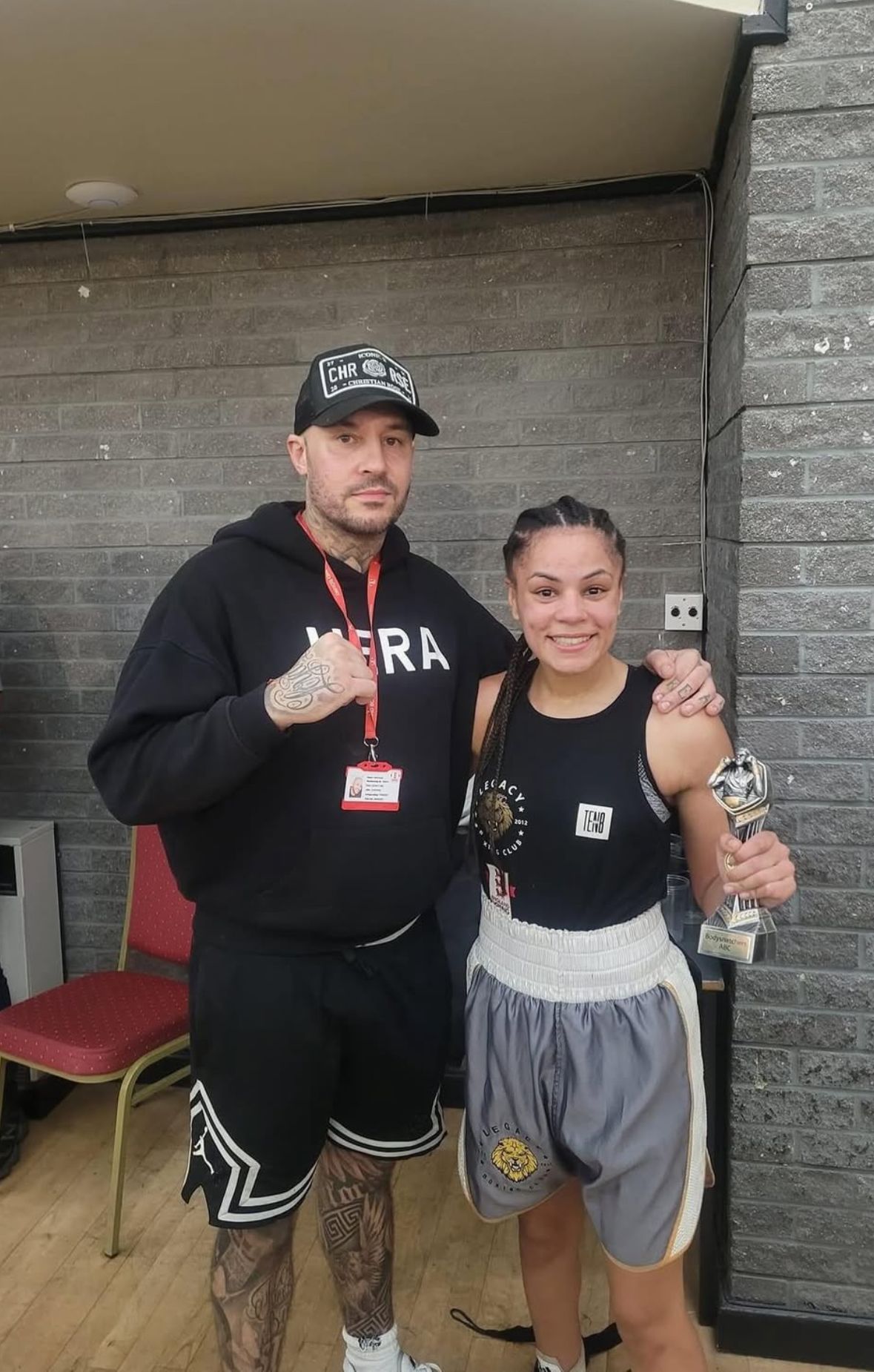

A young woman from Bournemouth has refused to be defined by her disability as she pushes herself to the limits in the boxing ring.
Gabrielle Reid, aged 22, has cerebral palsy and suffers from right hemiplegia, a condition that causes significant weakness and even paralysis to the right side of the body.
Reid has been competing in the sport of boxing for a few years now but her passion for the sport wasn’t love at first sight
At nine years old, boxing felt like punishment for Reid. Introduced to the sport through a Saturday-morning fitness session organised by her mum, it was meant to be a healthy outlet for her and her siblings.
Instead, it quickly became something she dreaded.
She was inexperienced, uncomfortable, and painfully aware of how out of place she felt.
Living with cerebral palsy, Gabrielle found that sport often highlighted her condition rather than offering escape.
It dented her confidence and reinforced a sense of difference that followed her through childhood.
Despite her resistance, her mum persisted, a decision Gabrielle now credits with changing her life.
Gradually, the relationship flipped. Boxing became something she enjoyed, then something she actively wanted. By sixteen, the sport had embedded itself into her identity.
Attending a sixth form linked to an amateur boxing club, she joined training sessions, registered as a member, and soon stepped into the ring for her first bout.
“That’s when it stopped being just a hobby,” she says. “Boxing became a huge part of who I am.”

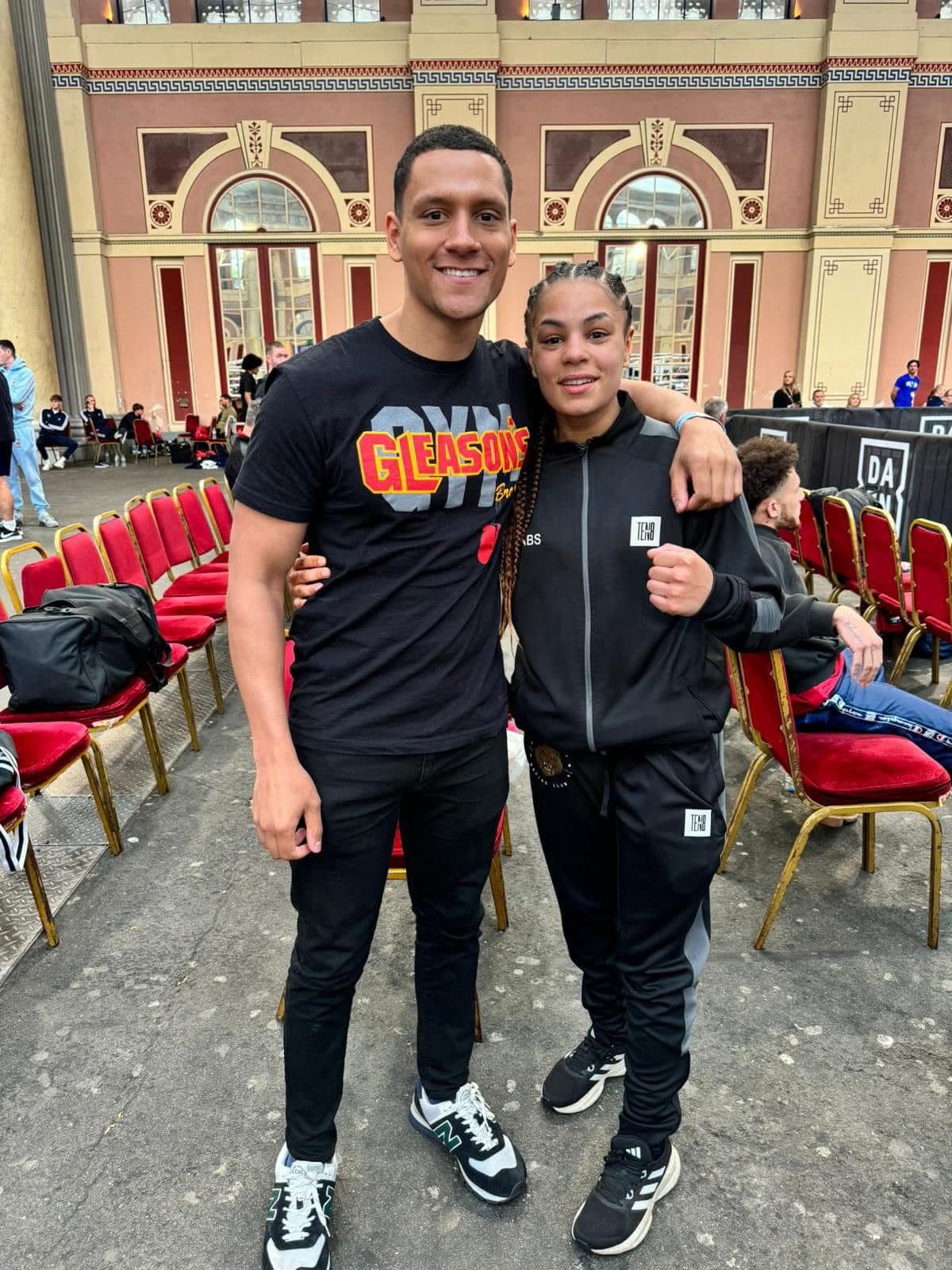
G.Reid with her brother at Haringey Boxcup, London. Credit: supplied.
G.Reid with her brother at Haringey Boxcup, London. Credit: supplied.
One of her earliest inspirations was Anthony Joshua, the first professional boxer she followed closely. While their journeys differ, Gabrielle was drawn to his resilience and humility in the face of setbacks, traits she would come to rely on herself.
Progress has never been straightforward. Gabrielle has now contested 34 amateur bouts, holding a roughly even record. She rarely foregrounds her cerebral palsy, believing it doesn’t define her as a boxer.
“There’s far more to me than my condition,” she explains. “I don’t use it as an excuse.”
Still, reflection brings pride. Competing against able-bodied opponents, often without them realising she has cerebral palsy, stands as one of her greatest achievements. Boxing, she believes, has shaped her completely.
“Younger me wouldn’t believe where I am now,” she says. “It’s helped me become a champion of my condition, rather than a victim of it.”
The psychological battle, however, remains ongoing. Doubt surfaces, particularly when she wonders how much further she might have gone without her diagnosis. These thoughts can be difficult to manage, but they no longer derail her.
“I remind myself I’m exactly where I need to be,” she says. “Without cerebral palsy, I probably wouldn’t have the resilience I have today.”
Physically, the challenges are constant. Fatigue is one of the biggest, people with cerebral palsy expend more energy on everyday movement. When exhaustion hits,
Gabrielle can develop a slight limp and feel completely drained.
Recovery also takes longer than it once did.
Ironically, boxing has helped mitigate many of these issues. The sport has acted as a form of physiotherapy, improving coordination and strengthening areas she once struggled with.
Adaptation, though, doesn’t always come easily. Gabrielle admits she often trains like everyone else until her body forces her to adjust.
On tougher days, she’ll cycle instead of run or avoid sparring when fatigue peaks. Stretching, recovery work, and sauna sessions have become essential.
What made boxing special from the beginning was its inclusivity. In the gym, she wasn’t treated differently, a stark contrast to school, where teaching assistants, medical appointments, and comparisons to her able-bodied twin sister reinforced separation.
“In boxing, I was just another boxer,” she says. “That meant everything.”
Now training out of Legacy Boxing Club, Gabrielle believes she’s found the best environment of her career. Nearly two years in, the support around her has helped unlock new opportunities, including competing at the Haringey Box Cup and entering the Elite Championships for the first time.
Her most meaningful moment came at the Haringey Box Cup.
After winning her quarter-final unanimously, Gabrielle progressed to the semi-final with her older brother, who also has cerebral palsy, watching from the crowd.
He travelled from Leicester to support her, a gesture that carried enormous emotional weight.Although she narrowly lost on a decision, the experience remains unforgettable.
“Sharing that moment with someone who truly understands the condition was incredibly powerful,” she says.
There have been moments of doubt, particularly after back-to-back losses last year, when she stepped away from competition to rediscover her love for the sport.
But the conclusion was always the same.
“Life without boxing wouldn’t make me happy,” she says.
From reluctant nine-year-old to elite-level amateur, Gabrielle Reid’s journey is defined not by limitation, but by persistence, identity, and belonging. Boxing didn’t just teach her how to fight it taught her where she fits.

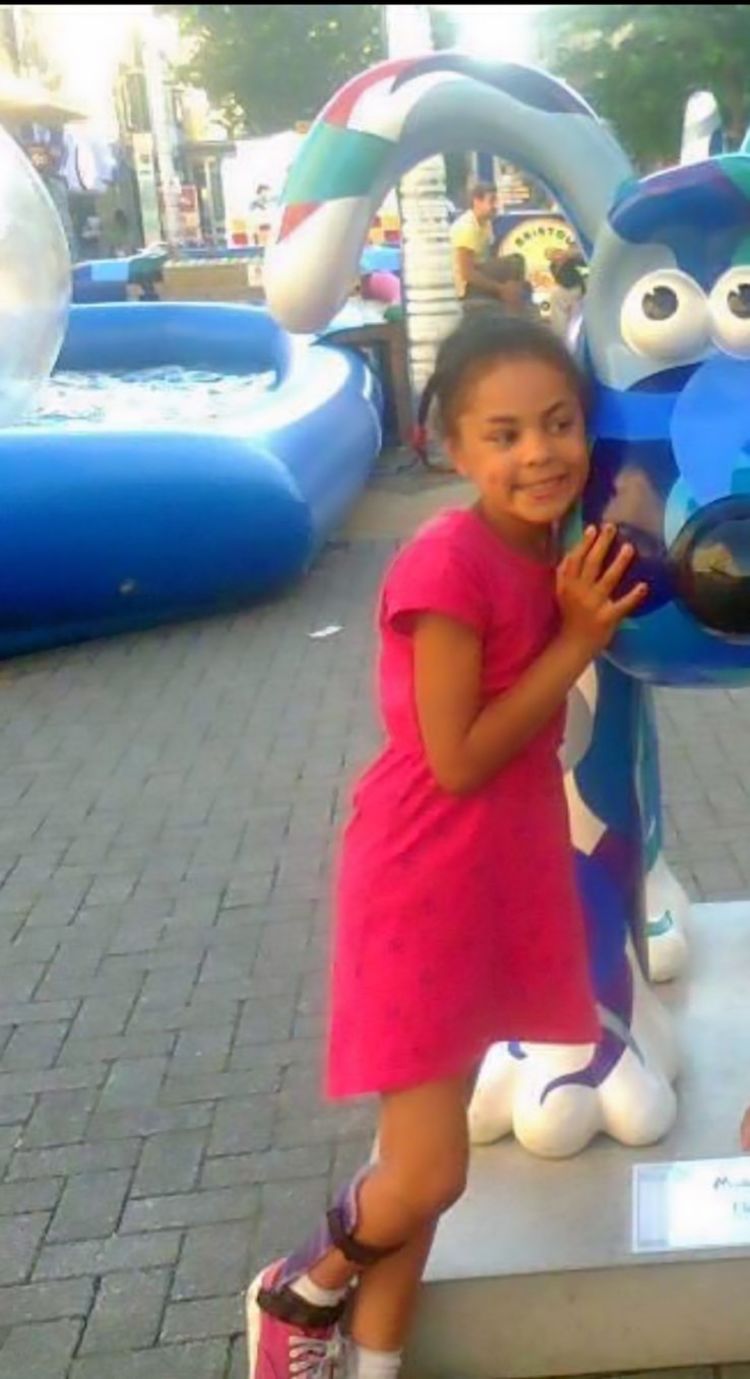
G.Reid imaged as a young child with a splint helping support her condition. Credit: Supplied.
G.Reid imaged as a young child with a splint helping support her condition. Credit: Supplied.
 Built with Shorthand