From Portaloos to Professional
20 YEARS OF CHANGE FOR THE RED ROSES


In 2023 the England Women’s rugby team won the Six Nations and saw a crowd of over 58,000 at Twickenham Stadium. For the opening match of this year’s World Cup against USA in Sunderland there was over 42,000 in attendance. But for Red Rose Captain Marlie Packer, her first England match in 2008 was quite different.
“For my first cap, there were about 100 people and a couple of Portaloos. The difference between then and now is massive.” So what's changed in the Red Roses over those years, and how far have they come?
Darcy Miller reports...


The Red Roses are the number one ranked team in the world | Credit: Darcy Miller
The Red Roses are the number one ranked team in the world | Credit: Darcy Miller
Contracts: Scrumming and Plumbing...
One of the main things that has changed for the Red Roses is professional contracts. “When I started playing for the Red Roses, I didn't get paid for it,” said Packer who debuted for England in 2008. “You would get loss of earnings of £50 a day plus travel expenses.”
Whilst Packer was playing for England, she was working as a plumber. This included the time she was playing in the 2014 World Cup. She could only fully fund herself through rugby when her contract came through in 2019 - just five years ago.
“I've been through a lot of change, a lot of evolution in really positive ways in the women's game,” said Packer.
Rochelle (Rocky) Clark who began playing for the Red Roses in 2003 had a similar experience. She was only paid full-time for eight months of her final year of a 15-year international career.
“I worked in a gym and was a personal trainer and rugby coach. It was so hard. I was so knackered, but because you love the game so much, you do anything to put the shirt on,” Clark said.
“You just had to get by, do the work you could. You’d use up all your holiday playing for your country, which is absolutely ridiculous now, but back in the day, that's what you had to do.”
Zoe Harrison, current Red Rose said having rugby as her career was something she never expected. "I went to university because I thought that was going to be my career," she said.
Speaking from the England changing rooms at Twickenham Stadium, 25-year-old Red Rose, Ellie Kildunne said being paid to play rugby is all she’s ever known. “I was first contracted when I was 18 for the England Sevens team and then I came over when I was 20/21 [years old], back to the fifteens. It’s my primary income.”
Listen to Marlie Packer discussing the change in contracts and the growth of audience for the England team.

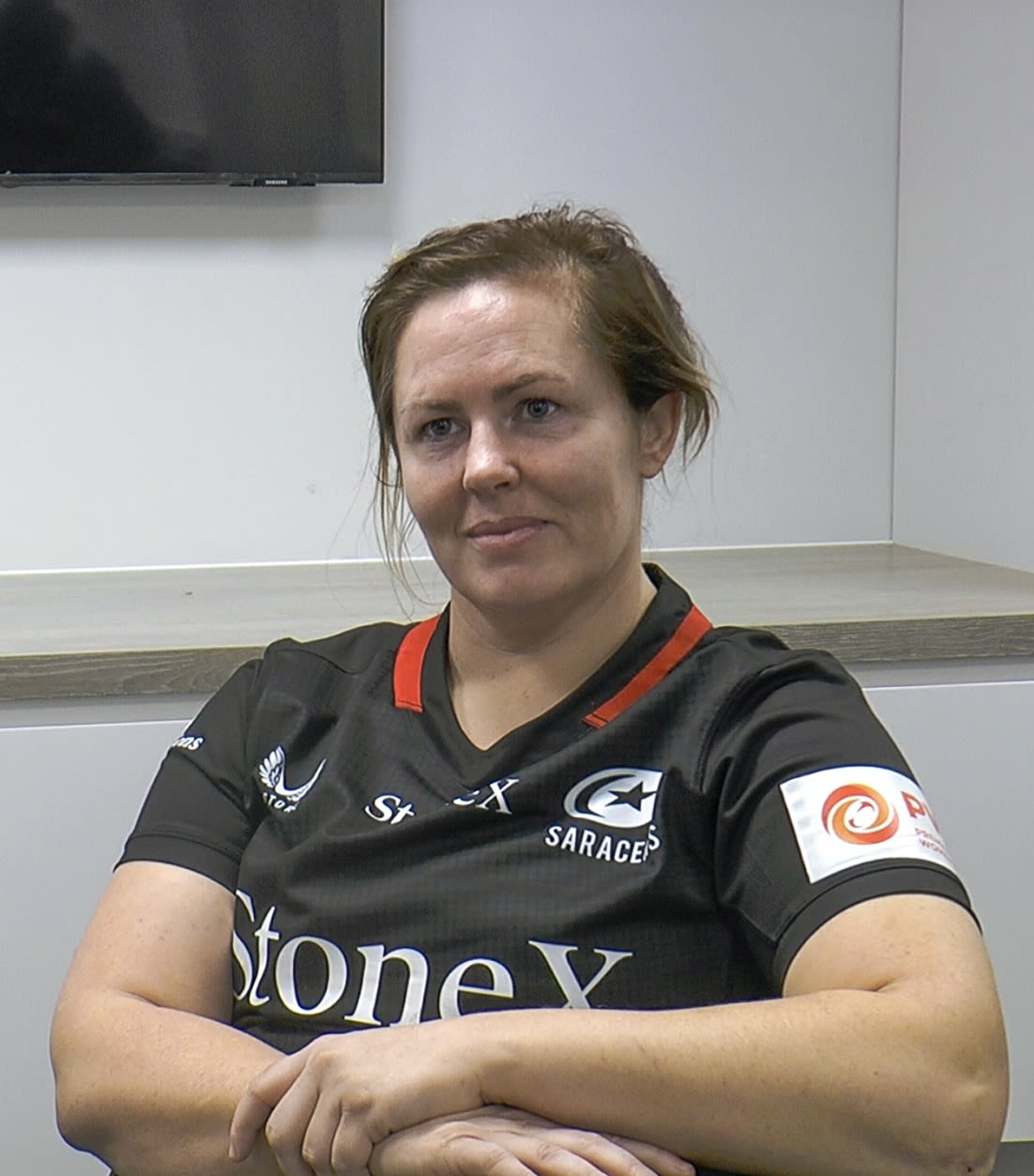
Marlie Packer, Red Roses Captain at StoneX Stadium | Credit: Darcy Miller
Marlie Packer, Red Roses Captain at StoneX Stadium | Credit: Darcy Miller

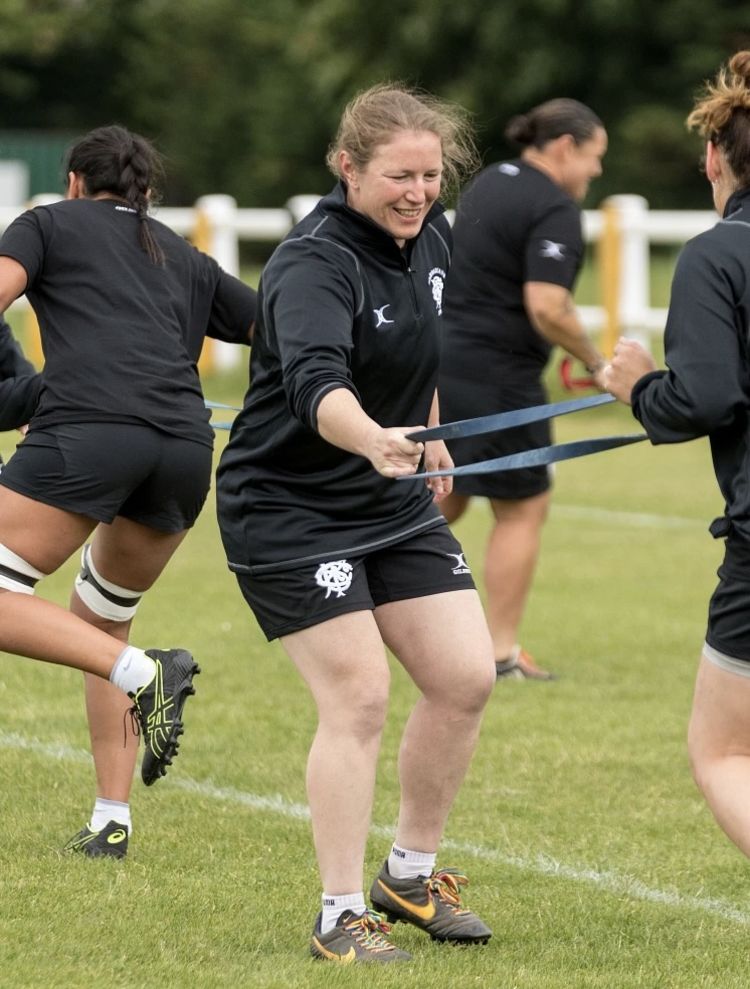
Rocky Clark doing performance training | Credit: RFU Collection via Getty Images
Rocky Clark doing performance training | Credit: RFU Collection via Getty Images

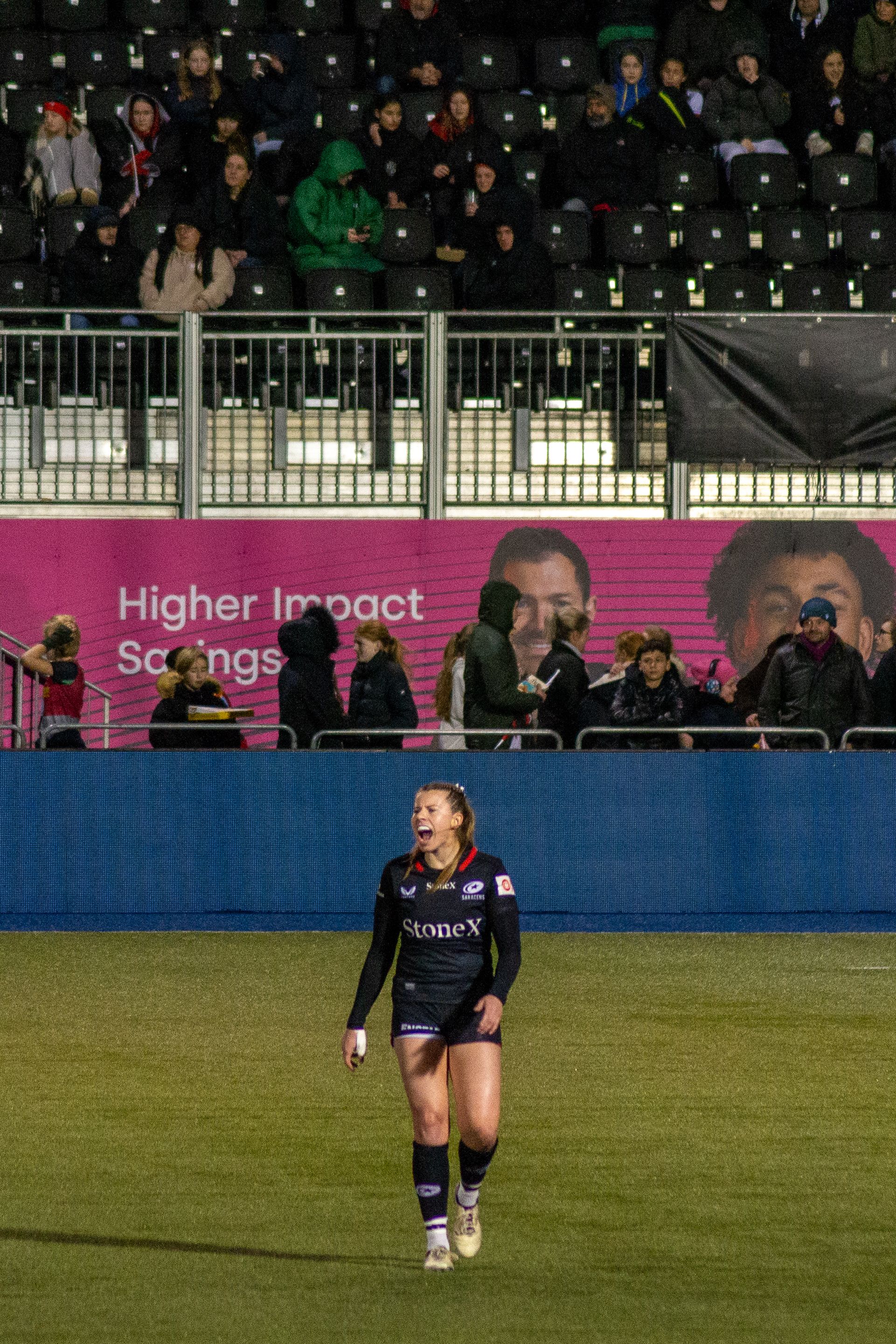
Zoe Harrison, has played for the Red Roses since 2017 as a Fly-half. | Credit: Darcy Miller
Zoe Harrison, has played for the Red Roses since 2017 as a Fly-half. | Credit: Darcy Miller

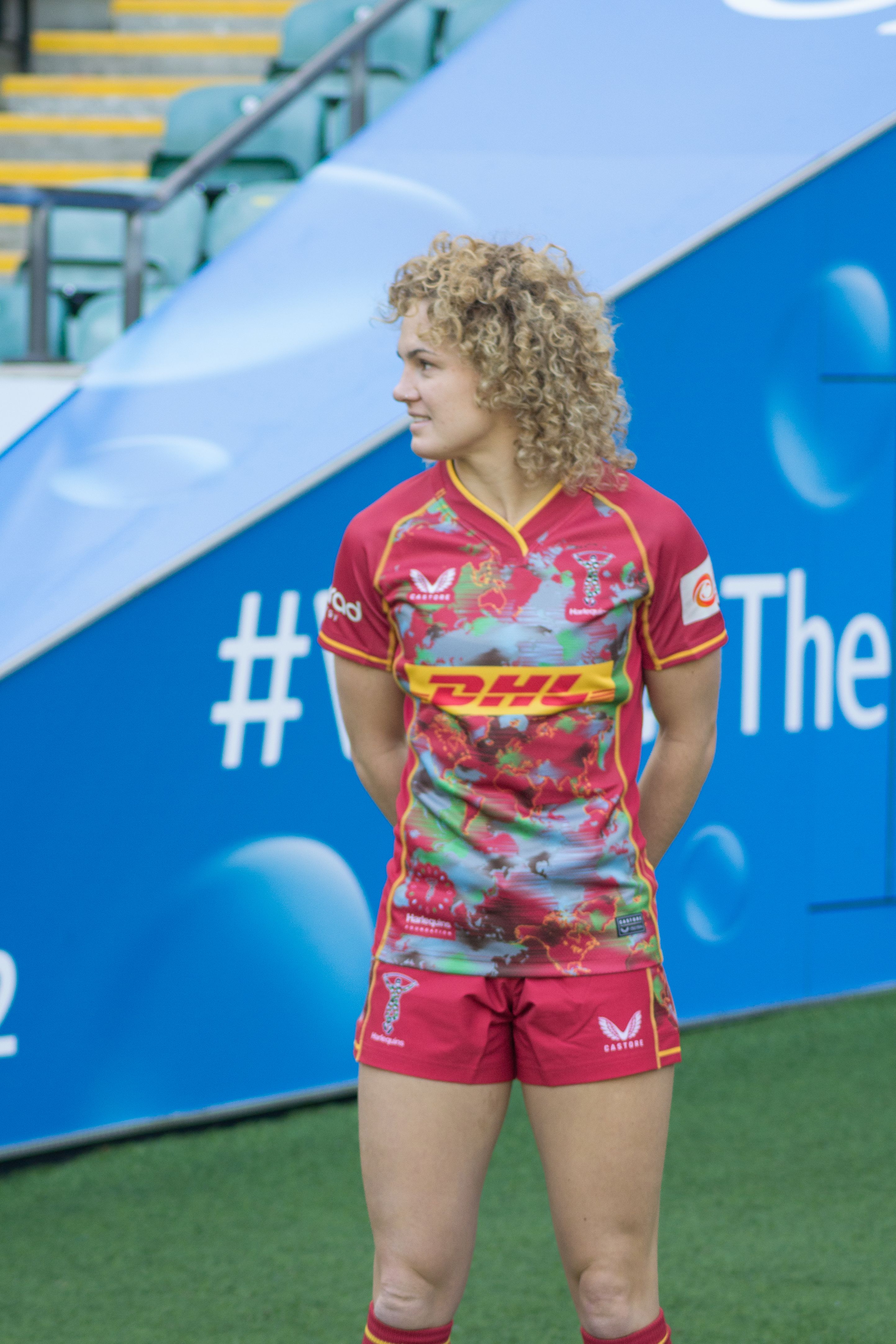
Ellie Kildunne, World Rugby Women's Player of the Year 2024 in her Harlequins kit. | Credit: Darcy Miller
Ellie Kildunne, World Rugby Women's Player of the Year 2024 in her Harlequins kit. | Credit: Darcy Miller
Marlie Packer, when not captaining England, plays in the Premiership for Saracens Women. Here she is at StoneX Stadium. | Credit: Darcy Miller
Resources and Facilities Over the Years: Patchwork to Perfection
Clark’s Red Roses experience was very different to Kildunne’s. When she first joined the Red Roses, Clark had to pay £25 a weekend to attend the England rugby training camps. She bought her own kit and paid for her travel and her own physio sessions.
Before that, there was even less support. “The 2001 World Cup, before the one I played in, they were stitching their numbers on their shirts before they played.”
In terms of training in the early 2000s, it was full-on. “Club training: Tuesday, Thursday night, and then you'd be doing weights, three times a week, and then cardio, so either sprint or endurance sessions. It was hard to manage with 12 hours of a workday. Then obviously, you try to fit in family and a relationship. It was near enough impossible.”
They [the current Red Roses] are so lucky now and privileged that they can have the rest time, they can have the recovery,” said Clark.
Helena Rowland, who joined the Red Roses just four years ago had a polar opposite experience. She was stunned at the high level of professionalism within the England 15s setup.
“Going into camps, you're training all the way through the day. You've got meetings. Everything's recorded, so you're doing analysis of all the sessions, of all the games, with access to physios, doctors and specialist coaches,” she said.
In terms of research into improving their gameplay, the Red Roses are always advancing. This includes female-specific sports research.
The England team have recently begun exploring how women’s menstrual cycles can affect their game. “I think that shows how far the game has come,” said Kildunne.
At the beginning of 2023, the RFU introduced a maternity policy giving England players 26 weeks of paid maternity leave. “That’s in my time, that's not 20 years ago. If you were saying that in any other job, you think that it was 50 years ago,” said Kildunne.

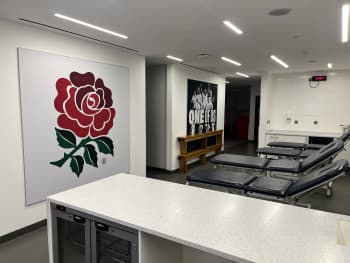
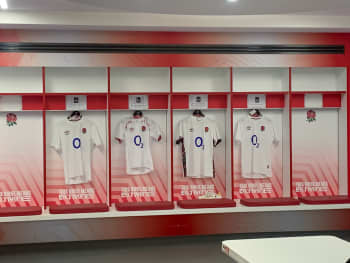




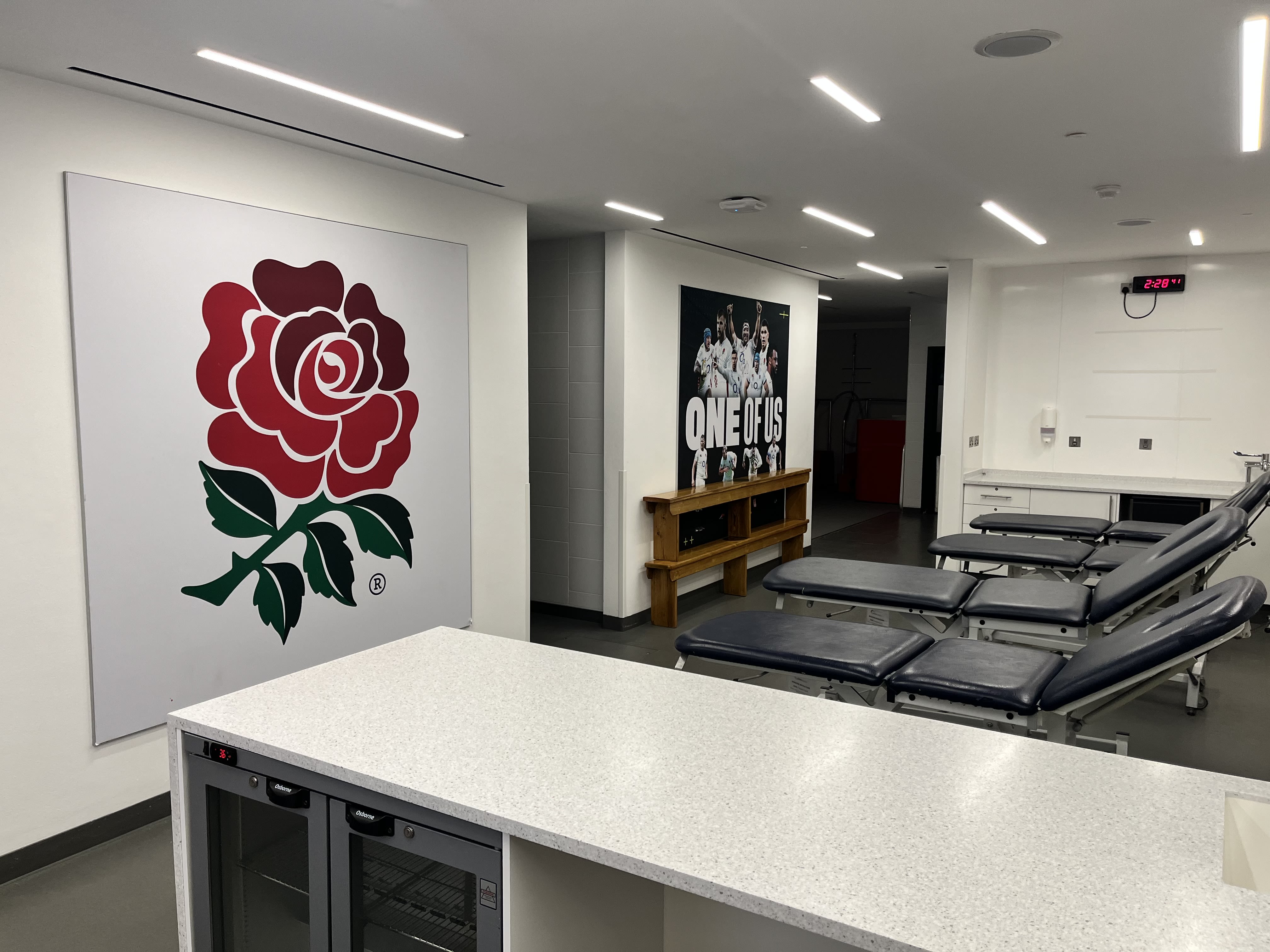
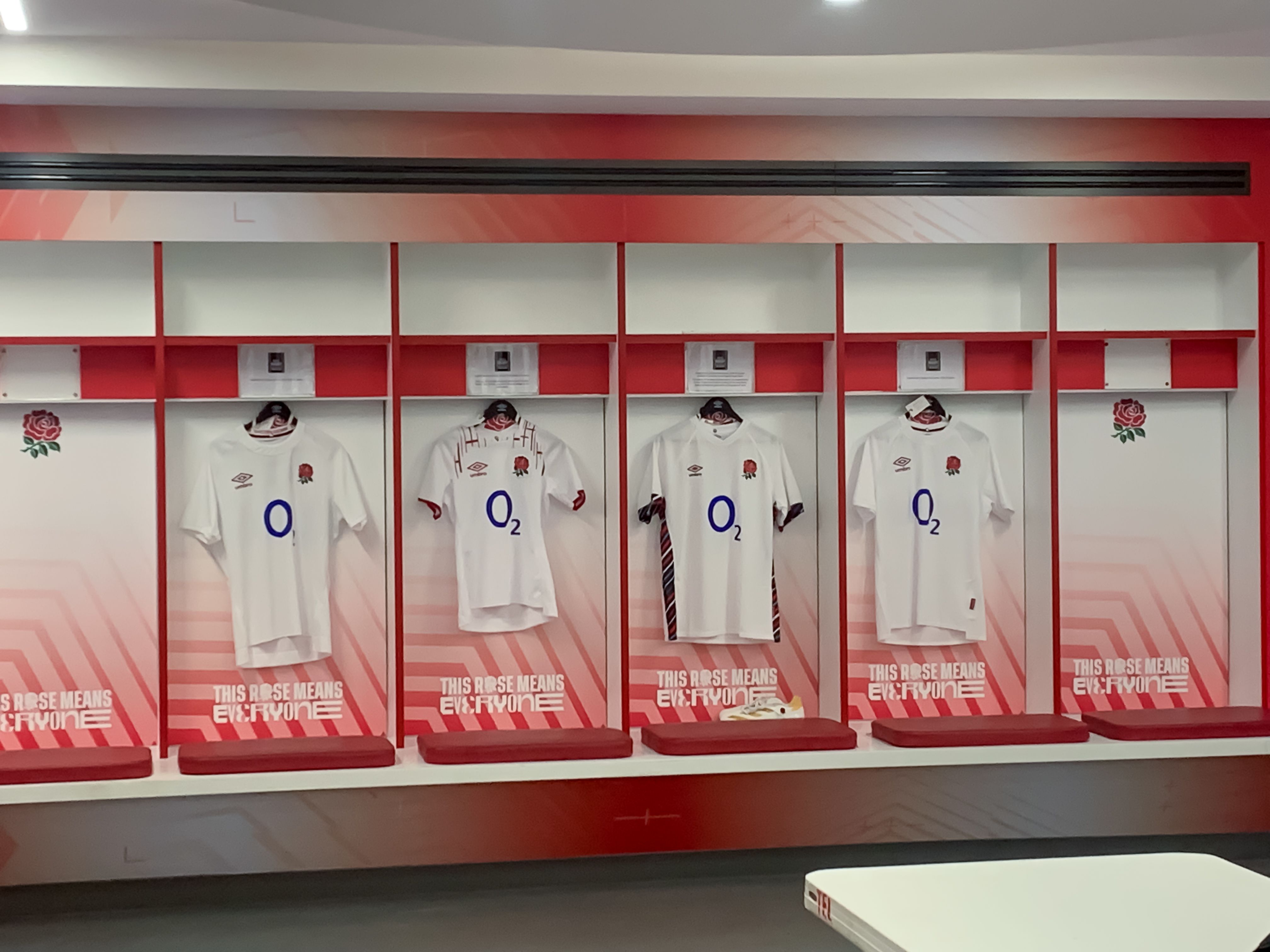

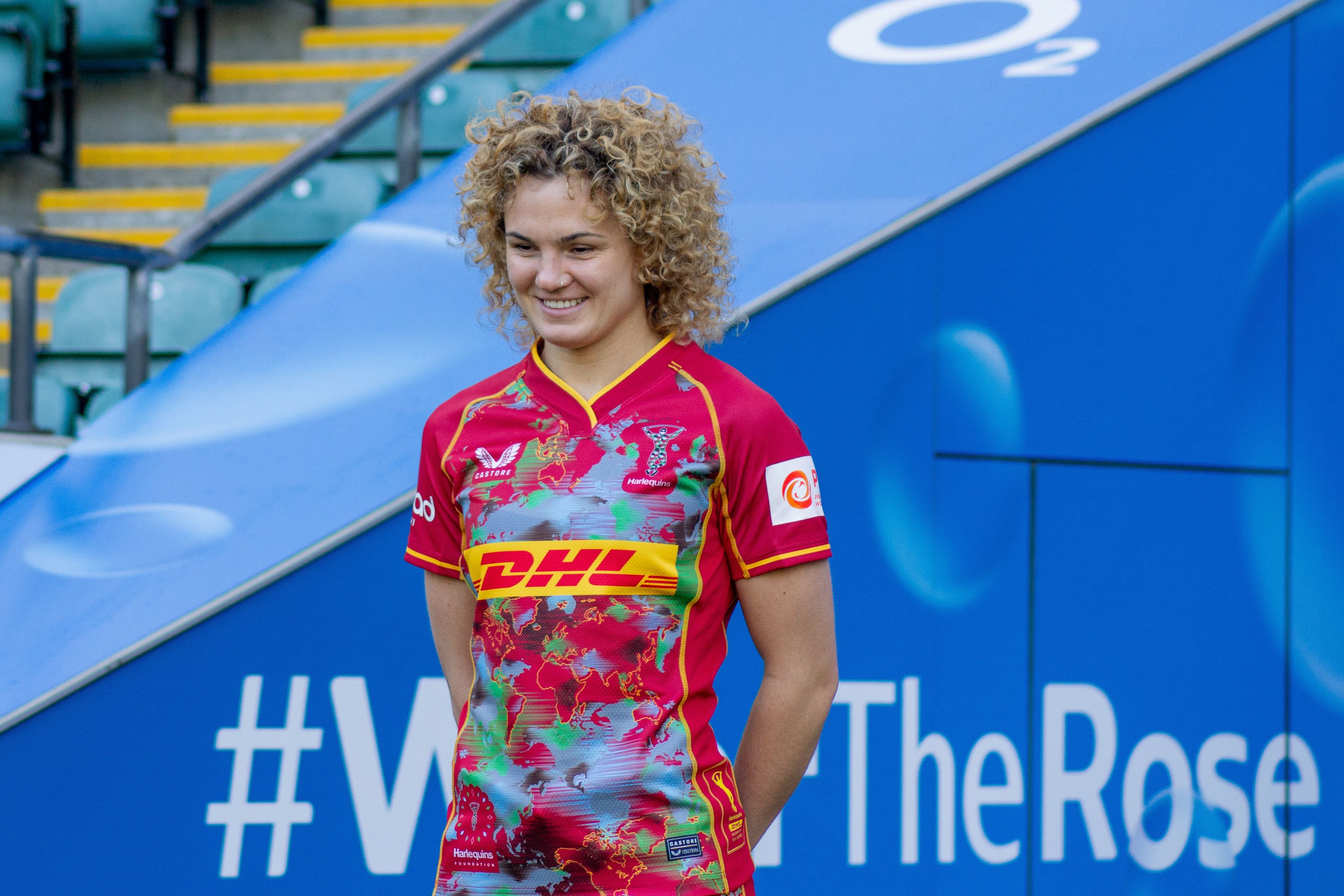
Kildunne, who debuted for the Red Roses in 2017, is one of the most successful young England players. She was crowned World Rugby Women’s Player of the Year in 2024. Her distinctive curly hair and speed on the pitch make her a very memorable player. She has a following of over 60,000 on Instagram.
Ellie Kildunne shared her opinion of the recent progress of the Red Roses from the England changing rooms at Twickenham Stadium.
How did Ellie Kildunne's journey to England start and how does it compare to that of Marlie Packer and Rocky Clark who both began playing 30 years ago?
Pathway to England: How the Red Roses Bloomed
Kildunne started her rugby journey at six years old at Keighley Rugby Club in Yorkshire. “The first time I turned up was actually to a game. So I didn't know any of the rules,” she said. Kildunne explained that she only turned up because her neighbours were going, and she didn’t have anything else to do.
“I just loved it. At the start the boys were a bit like, ‘oh, there's a girl here,’ but by the end of the training session, I was part of the family. It's the foundation of who I am today,” said Kildunne
Kildunne’s path to international play was made certain when she made the senior women’s squad when she was still in college. “Being handed my A-level biology homework on my first cap by my mum was a very humbling experience,” she said.
Packer had a similar first experience of rugby at the age of five. “I went in a pair of jeans and a frilly red top, came back caked in mud, and I've played rugby ever since.”
Packer played at Ivel Barbarians until under 16s. “They started up the girls’ section there for me,” she said. “Then I needed to play adult rugby.”
Clark started a little later in life. She played for Beaconsfield at age 15, then for Henley at age 16 until she went to university, where she played for Plymouth Marjon’s. She played for Clifton, Blaydon, Worcester, Wasps, and then Saracens. In 2003 she got her first cap for England. She went on to represent England in four World Cups, win the Six Nations title eight times and achieve seven Grand Slams.
But through all this, Clark experienced a lot of criticism about her rugby. “There was so much negativity, like ‘women shouldn't play rugby. They should be at home in the kitchen. Rugby is a man’s sport.’ All of that. It was horrendous. I feel like I've constantly had to change people's opinions and educate them on how beautiful the women's game is.
“You still get a bit of negativity, but it's certainly nothing like it used to be,” said Clark.
Although there is still negativity surrounding women’s rugby, there is also massive support, and that can be seen through the Red Rose's constantly growing fan base.
History of Women's Rugby
“There's always been interest by women in playing rugby.”
The Red Roses have played a large part in the growth of women’s rugby in the UK, but what did rugby look like before their first international game in 1987?
“There are examples of women playing rugby in the UK from as early as 1888,” said Dr Furse who worked at the World Rugby Museum. She now works as an Assistant Manager at the New Zealand Rugby Museum.
“There's always been a demonstrable interest by women in playing rugby. If rugby was being played in an area where women were exposed to it, they could be fans of the game and be interested in getting on the pitch to play. But there were very few chances of actually playing competitive rugby.
“In Wales, in 1917-18, there was a team of women at Newport, who started playing rugby in exhibition matches, giving the money to local charities. It was incredibly popular and inspired the creation of other teams in that South Wales area.”
Dr Furse explained that through the 50s and into the 60s there were ‘charity jokey games’ where women would play against men who would have one hand tied behind their back.
“The game that we know today really started at universities in the 1970s,” said Dr Furse. Women’s Rugby Football Union, which consisted of Great Britain not just England, was formed in 1983 with 12 founding teams. Most were university teams.
Furse said: “The universities are where it really starts, and that's because of the greater freedom that these young women had to explore and try different things.”
Another turning point for women’s rugby was when teams from the US began touring in the UK. “They came over to the UK, thinking everybody's going to be amazing at rugby here, we're going to get some real competition. Then finding out that women have not been playing rugby here, and don't even have teams in most of the places that they're heading to,” said Dr Furse.
This surprise from the US team caused a change in opinion that led to an uptake in women’s rugby. Dr Furse explained that this allowed the teams, to move through the universities, into the local rugby areas.
In 1984, Britain’s first international game was played against France at Richmond in London. Britain lost 14-7. “The GB team played because there weren't enough women playing to sustain four separate teams,” said Dr Furse.
Since the Red Roses debuted as a separate England team in 1987, they won the World Cup in 1994 and 2014, coming runners-up on six occasions. They’ve won the Six Nations Championship 20 times and the Grand Slam 18. They are currently the number one ranked team in the world.

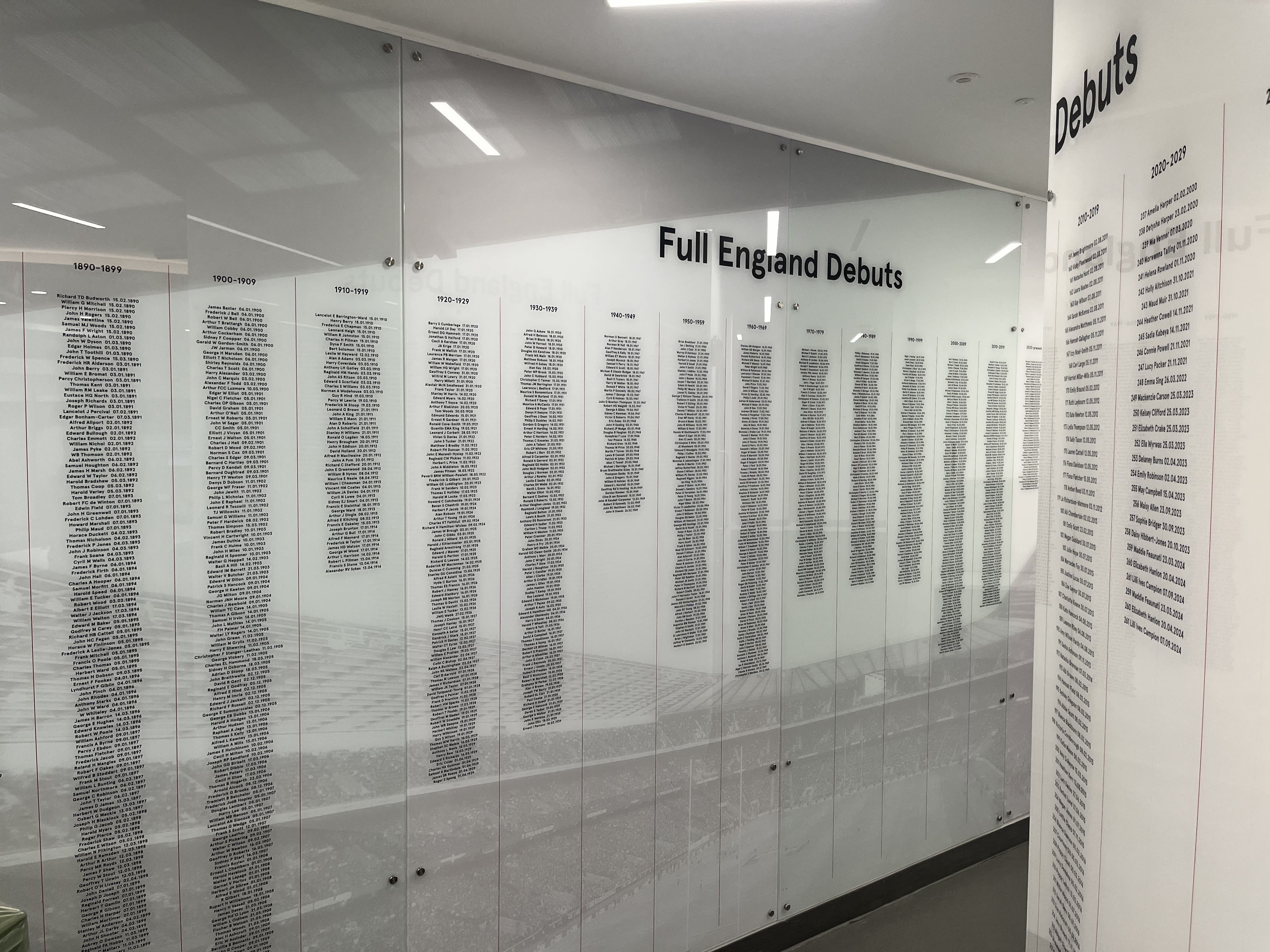
The wall of England debuts names at Twickenham Stadium, the women's names were only added in April 2023 | Credit: Darcy Miller
The wall of England debuts names at Twickenham Stadium, the women's names were only added in April 2023 | Credit: Darcy Miller
Audiences: "I'm more famous now after retiring"
Women’s rugby audiences have grown significantly in just the last few years. The World Cup final this year is expected to top the record-breaking 66,000 that attended the women’s Olympic Sevens in Paris last summer.
“When you're playing in front of 47,000 people at Twickenham; if you could bottle those moments up, you definitely would,” said Packer.
It’s not just ticket sales that have been skyrocketing - for the Guinness Women’s Six Nations this year 8.1m tuned in for three minutes or more.
In September 2024, BBC One started broadcasting the Red Rose’s Summer series fixtures on prime-time TV. “It being on BBC rather than Sky, It's made a big difference,” said Rowland.
Kildunne also believes TV coverage is boosting the Red Roses' profile. “Women's rugby has gone so far in the past five-six years. People have got the ability to watch us wherever they are from. It's on TNT now, people can see us, and you've got to see it to believe it,” she said.

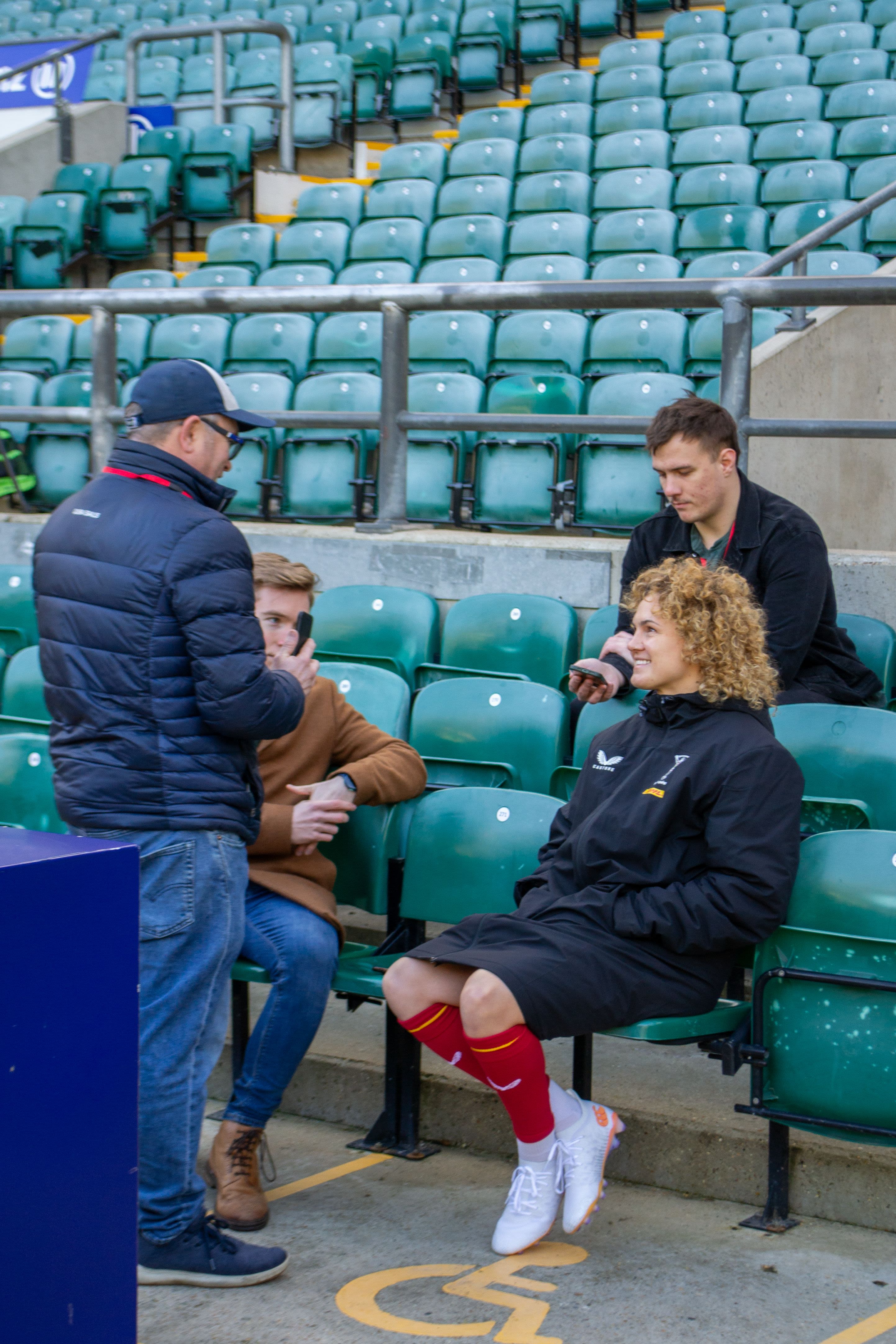
Ellie Kildunne giving press interviews at Twickenham Stadium | Credit: Darcy Miller
Ellie Kildunne giving press interviews at Twickenham Stadium | Credit: Darcy Miller
In terms of press, the experience now is extremely different to that of the early Red Roses who played in the World Cup in 1991. Dr Lydia Furse, women’s rugby historian, said the players would be happy about any kind of coverage of their games.
“The women who were part of the 1991 World Cup, talked about media apathy being the worst thing.
“That actually, you were happy about any kind of cover of the women's games, even if it was negative stuff, at least it was in the papers,” she said. When it was derogatory, sexist things, it was still okay, people were talking about women’s rugby.”
The Red Roses have over 43,000 followers on Instagram and are regular faces on the England Rugby TikTok which has just short of one million followers. Clark believes the Red Roses’ social media presence is the main advantage the team has now compared to when she was playing.
“Social media has made such a difference. You're seeing personalities of players which you wouldn't have seen before. They're able to showcase their individualism by having their social media and obviously, a lot of sponsorship comes through social media and promoting stuff on that. I think that's huge.”
Clark wishes there was a similar social media exposure when she was playing. “That would’ve been nice raising the profile, but I'm doing it as an ex-player now, and that has given me work and opportunities by being present in social media and still being a name even though I'm not playing.”
The media presence of the Red Roses isn’t just reflecting on current players. Clark says she gets recognised in public now more than ever:
“I'm more famous now after retiring which is crazy to think of. I was one of the most well-known names in women's rugby at that time.”
Current player Kildunne is also often recognised in public. “I get quite stunned when people recognize me on the train, I think that's so cool. But I don't think it's just credit to me as a player. I think women's rugby has come so far,” she said.
Despite this growth, Kildunne believes there is still space for adjustments.
The Future of Women's Rugby: Working on a 2025 World Cup Win
Although the Red Roses have come a long way in the last 20 years there are still improvements that should be made.
Kildunne said: “I don't think you'll ever have me sat in an interview saying we've nailed it because I think there's always more to come. There's always that extra 1% that we can put in, both on the field and off the field, so that fans have such a great experience. That for us as players, will make us better and we'll sell more tickets.”
Clark believes that funding is an issue and the gap between the men’s and women’s game is far too big.
“The opportunity to get the women's game out there - so being mainstream, televised, and the women getting the same amount of opportunities as the guys for player appearances and paid the same for player appearances is key. An England player is an England player so they both should be getting the same amount,” said Clark.
Packer believes even small improvements can add up and make a difference. “I think we always want to better ourselves: making sure that when we have rest, that it is proper rest and making sure that we're looking after each other. But these are all little one or two percenters. For the World Cup we need as much of those as we can get.”
Past players have paved the way for this new era of Red Roses who have professional contracts, specialist coaching and facilities and an always growing audience. Women’s rugby is the biggest it has ever been and is due to break many records in audience size at the World Cup next year.
“I can pretty much see it. We could get a sold-out Allianz Stadium come that final of the World Cup,” said Packer.
This popularity and success has been paved by ex-players like Rocky Clark. Despite all the sacrifices, she says it was worth it.
“Representing your nation and country was just like a superpower,” said Clark. “And I miss it dearly. It's horrible not being a Red Rose anymore, but I can live on and know that I left a shirt in a better place. It was certainly the best days of my life.”





 Built with Shorthand