
Hampshire Council is in crisis...
But will reorganisation help?
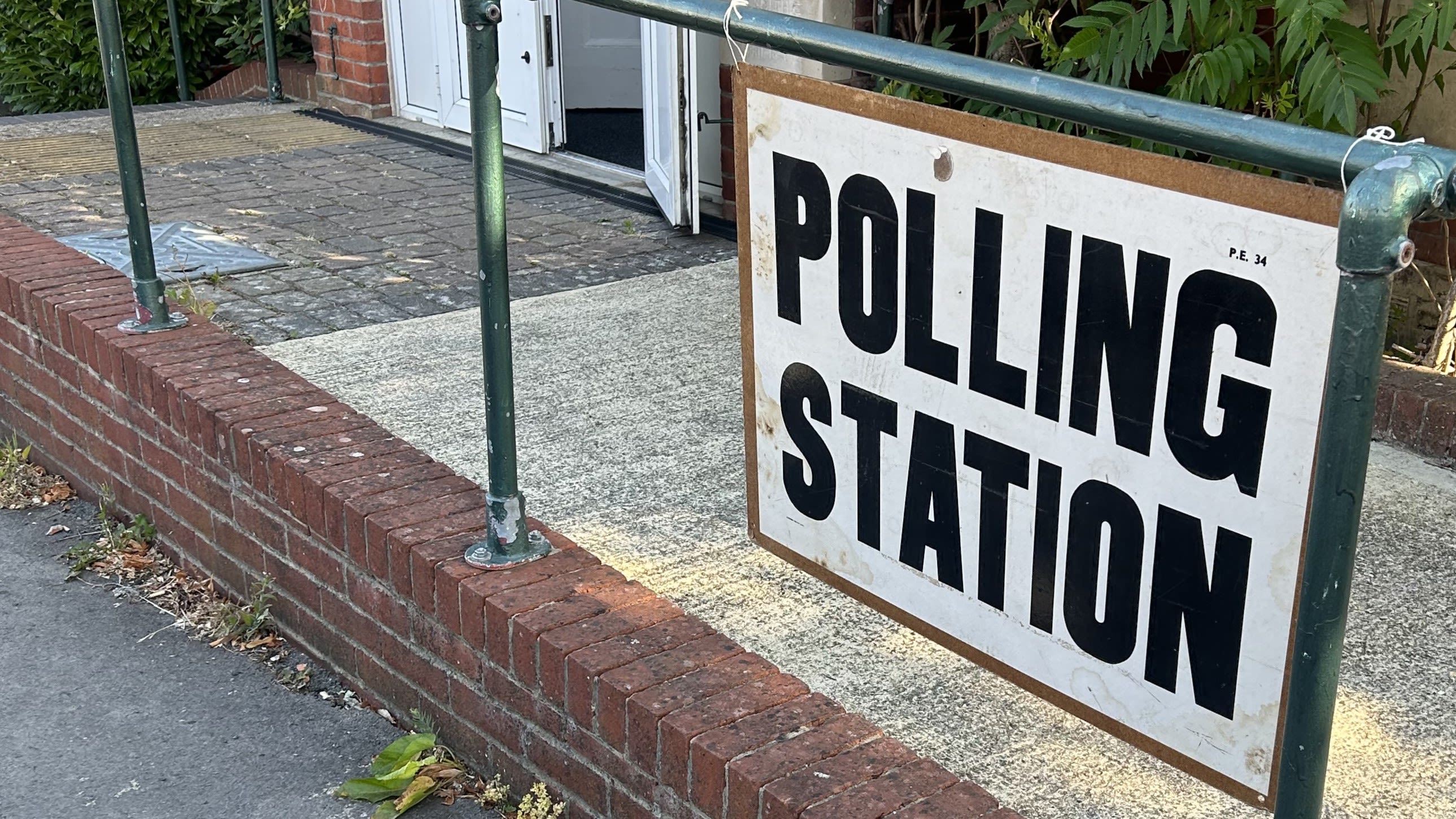

The political year so often builds up to a set of elections in May, but for nine councils across England, this year was different.
Councillors were preparing for the frenzied campaigning, door knocking and hustings, leading up to a long day of voting and a tense night of counting. That was until it all came crashing to a halt when the Local Government Secretary, Angela Rayner, stood up in Parliament and announced she had approved the delay of elections in nine councils across England.


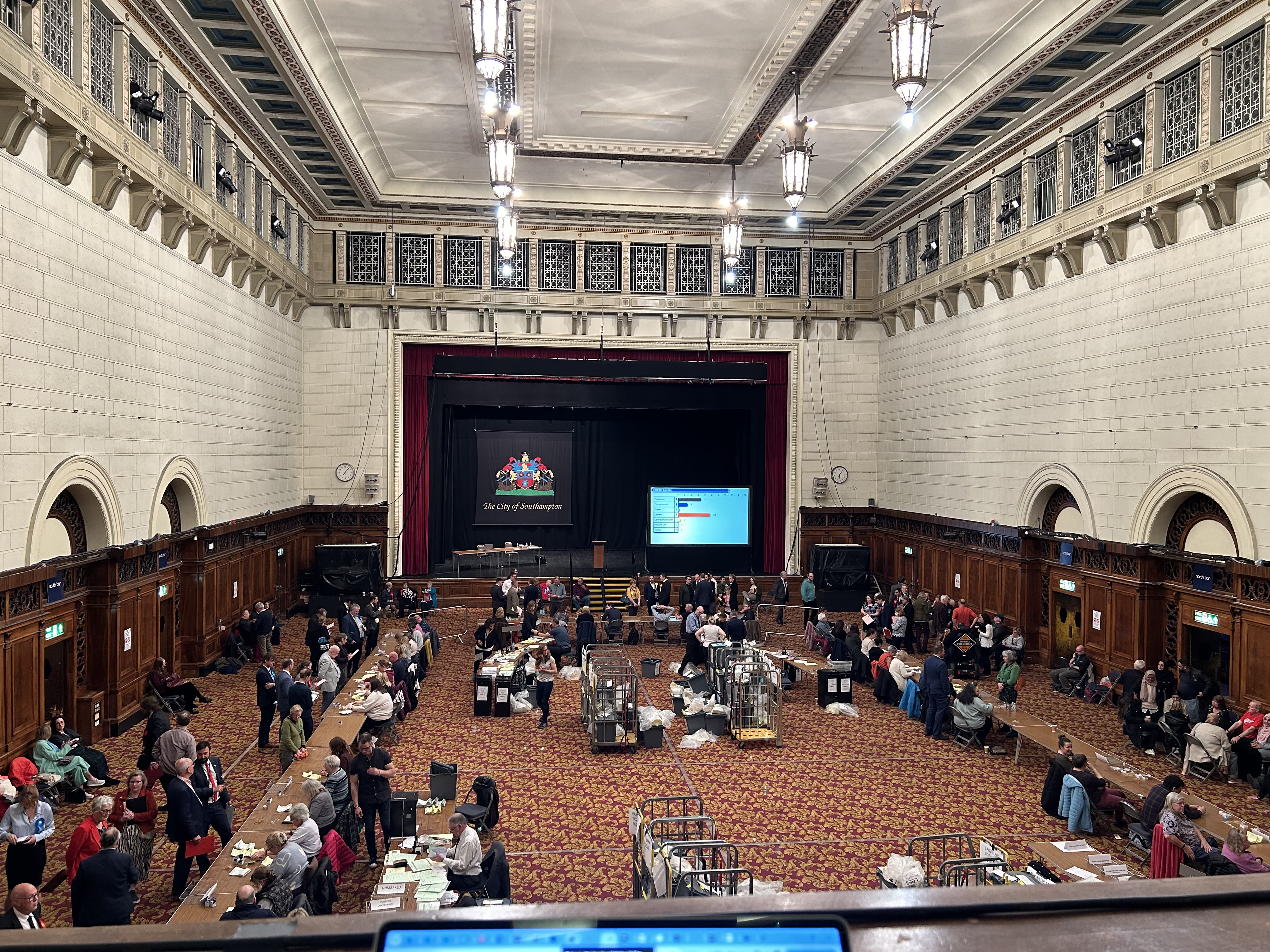
The count at the 2024 Southampton City Council elections. [Credit: Abby West]
The count at the 2024 Southampton City Council elections. [Credit: Abby West]
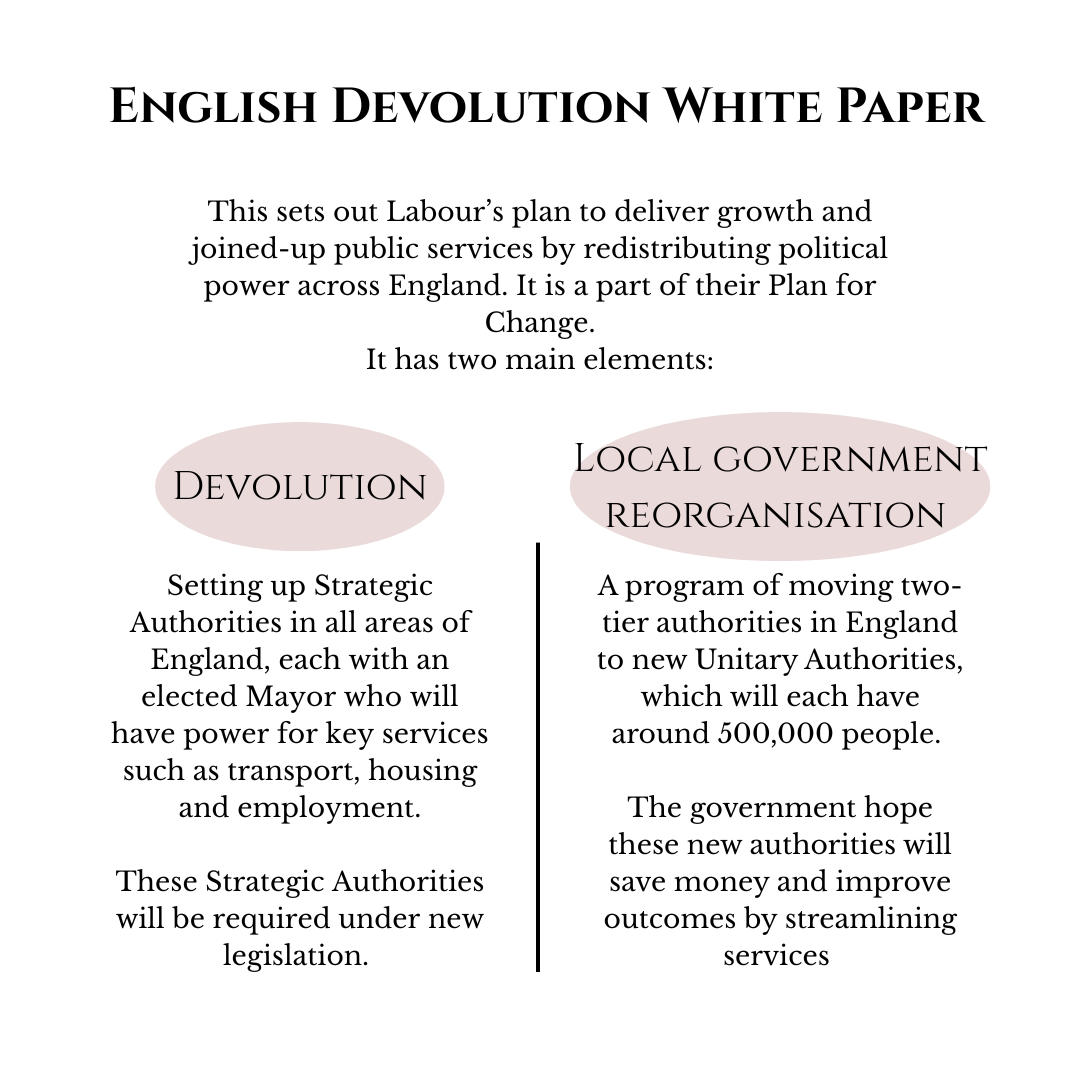
The announcement came after the government published a White Paper detailing its plans to shake up councils in England by moving towards a single tier of government, a process known as local government reorganisation (LGR).
18 local authorities due to be scrapped during this process had applied to have their elections postponed. The government said that postponing nine of these would avoid an “irresponsible waste of taxpayer money,” but it was a bombshell announcement with councillors accusing the government of interfering in democracy.
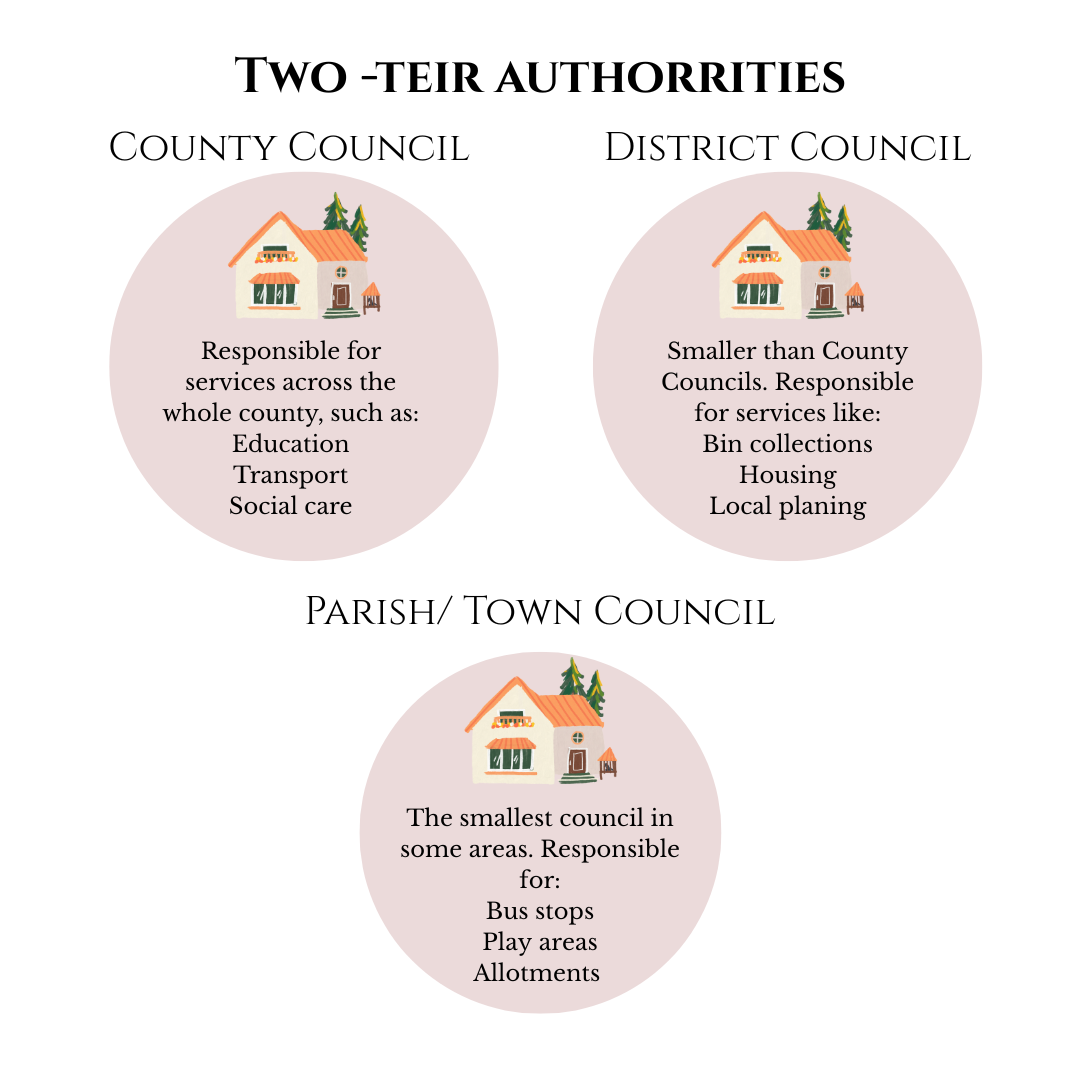
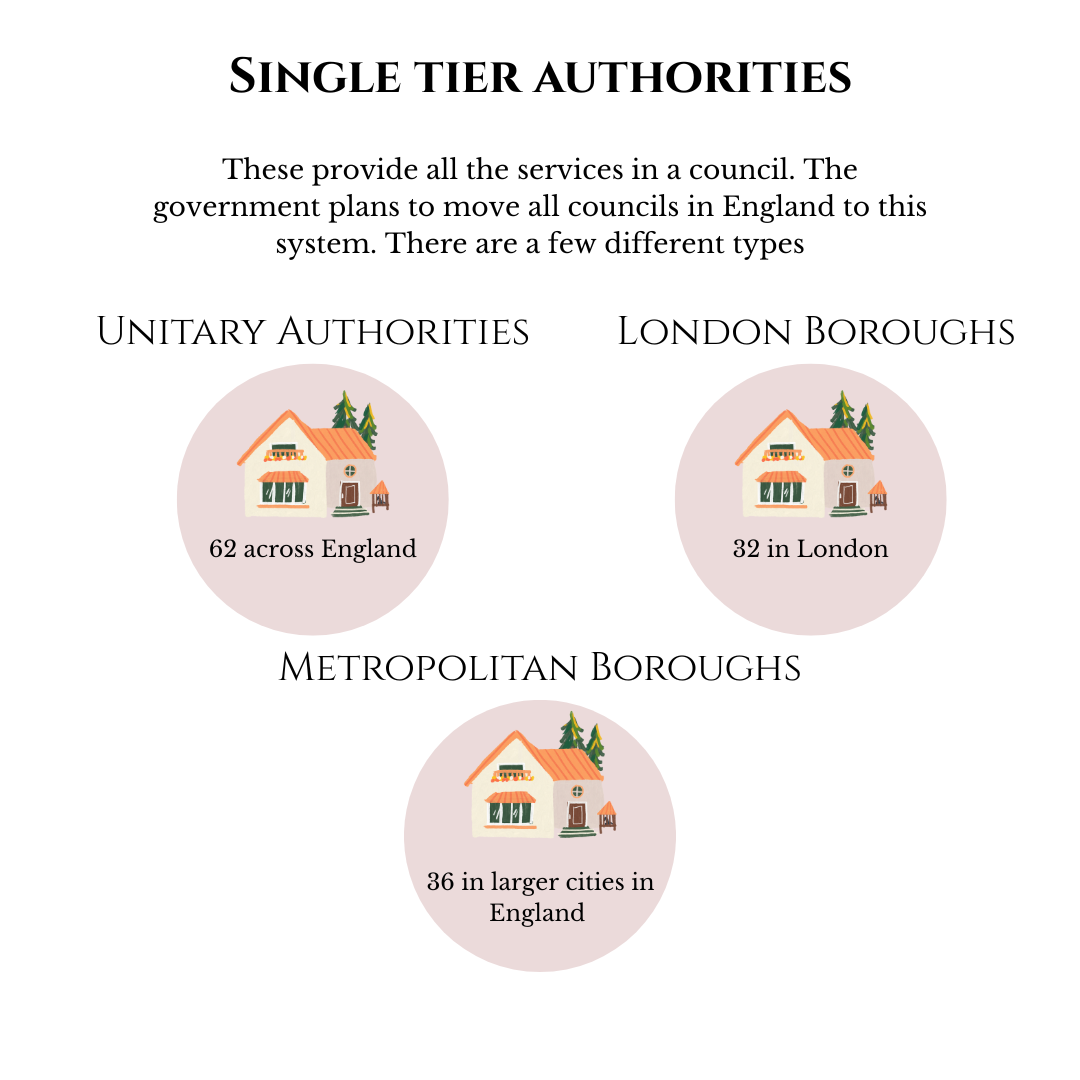
The current system of local government in England:
How will Hampshire change?

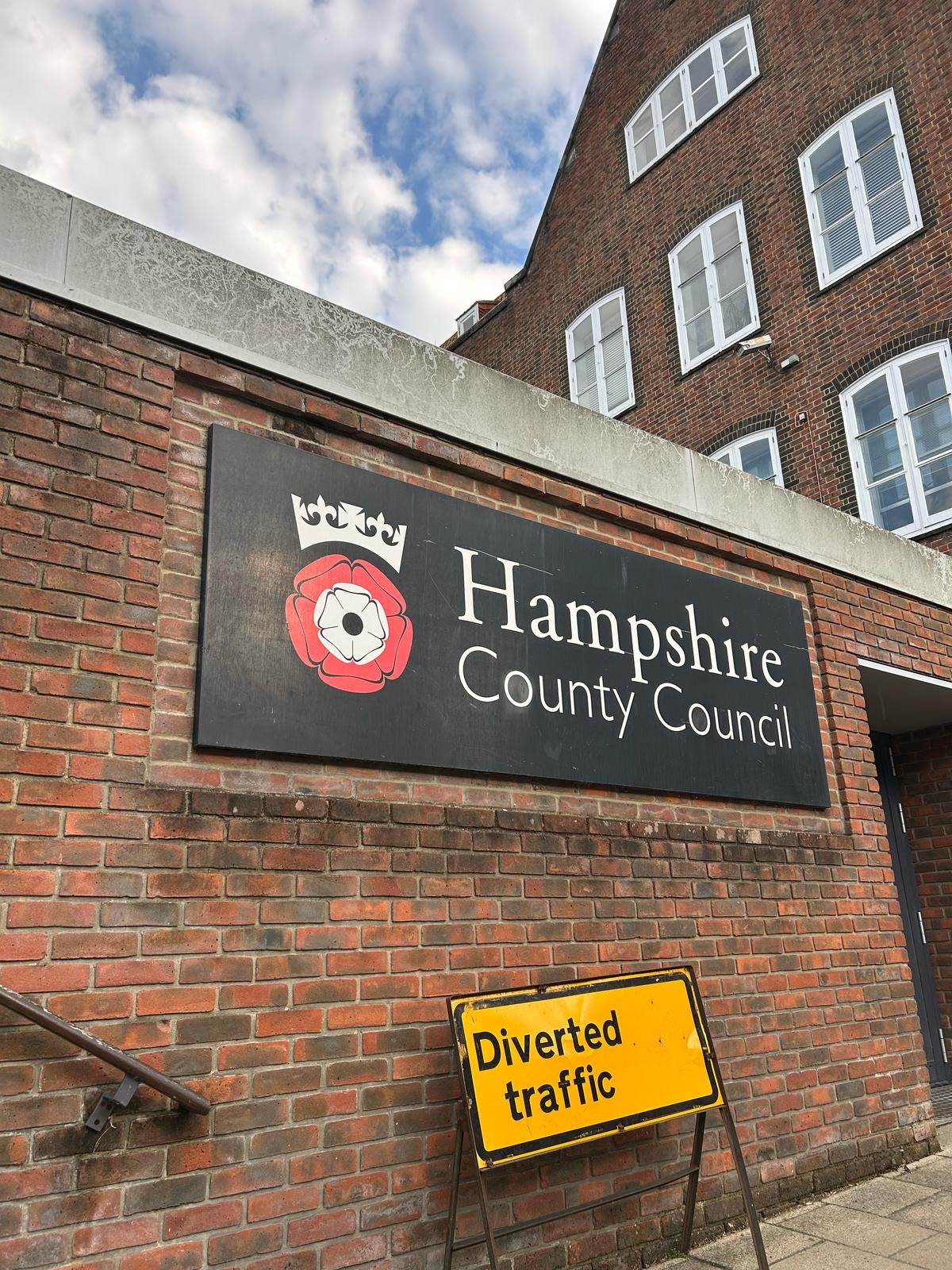
In Hampshire, Democracy has been replaced with fierce debate over how and when the county is restructured into unitary authorities (UAs). Hampshire County Council (HCC) submitted their joint proposal for LGR in March after discussions between all of the council leaders. Although, as the Leader of Southampton City Council, Lorna Fielker told me: “I wouldn’t be bothered to read it if I were you.” I could feel her frustration with the process across the table in a busy coffee shop. “The joint submission said nothing essentially,” she explained, “it's very difficult to say this is what we agree on, because at the moment we don't agree on anything.”
The joint proposal set out the options for LGR in Hampshire, but to really understand what is going on behind the official documents, I have spoken to three council leaders to hear their fears, hopes and frustrations.
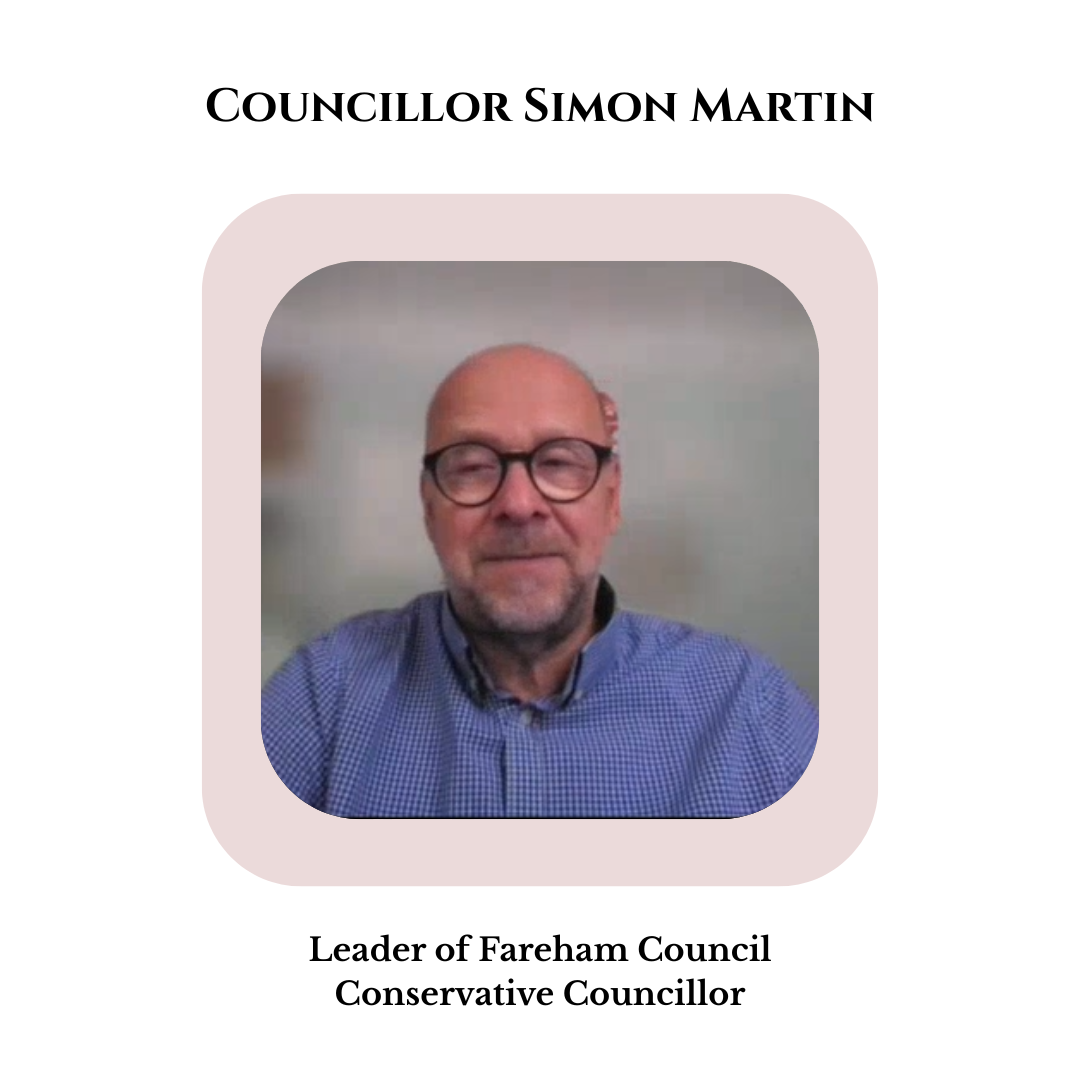
Simon Martin is the leader of Fareham Council; he has a pessimistic view of LGR. “I don't see the benefit of it really,” he sighed as he laid out his thoughts. “My view of local government is that the local authority needs to represent its residents. I don't see how you can have a large unitary that can really represent all its residents properly.”
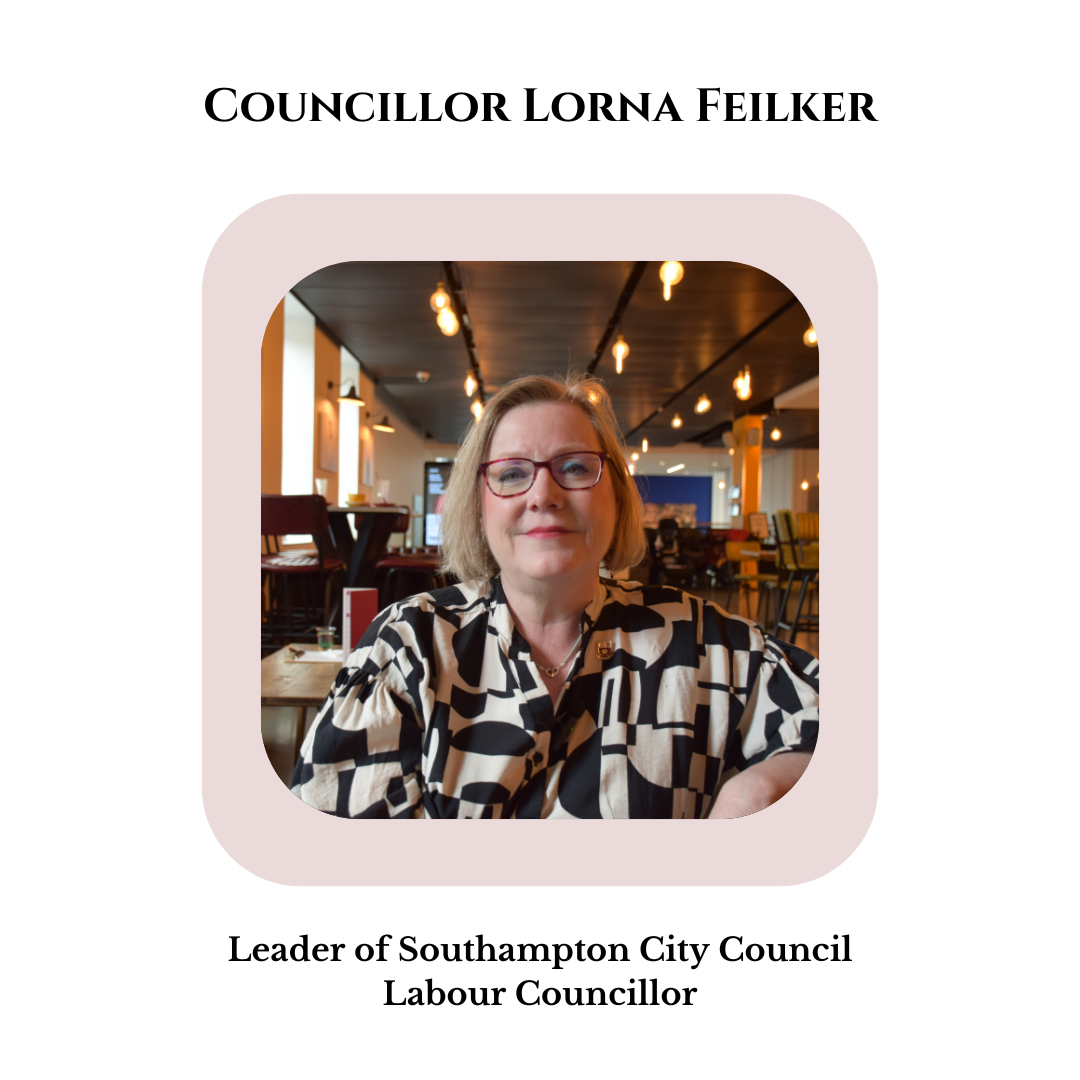
Lorna is in the unusual position of leading a council which is already a UA with a population of around 250,000 people. The government’s vision of authorities with populations of at least 500,000 means that Southampton must be involved in this process.
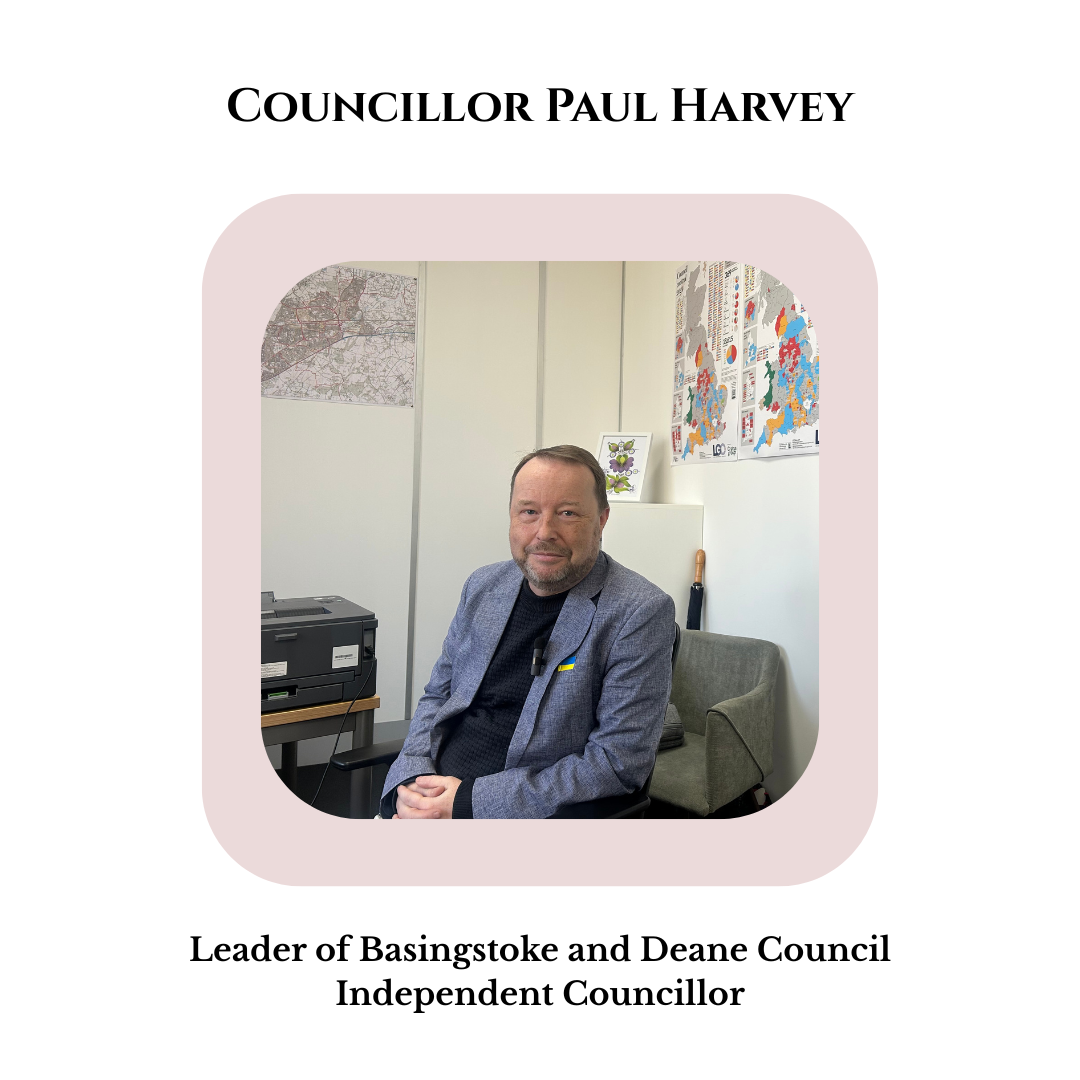
Paul Harvey leads Basingstoke and Dean Council as an independent councillor, a group who are particularly fearful of the implications of LGR on their local connections with residents. But Paul is more optimistic, “I am definitely pro-LGR because there's an opportunity.” The benefits he sees are significant: “I think if we get this right, you can solve the SEND crisis.”
Creating boundaries for new authorities



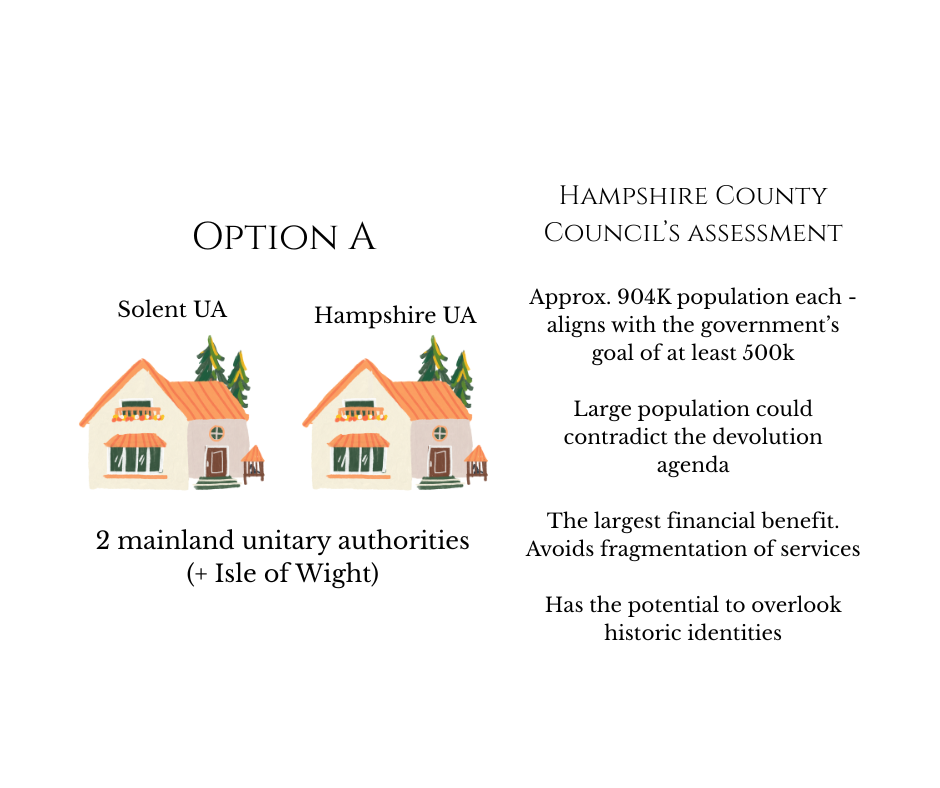
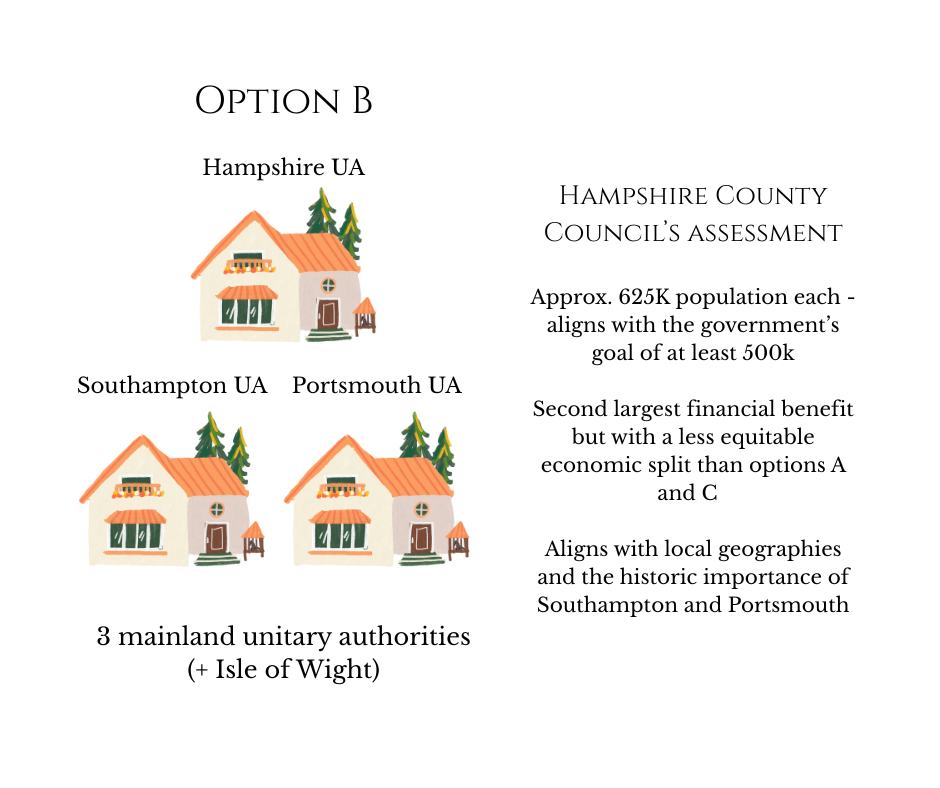
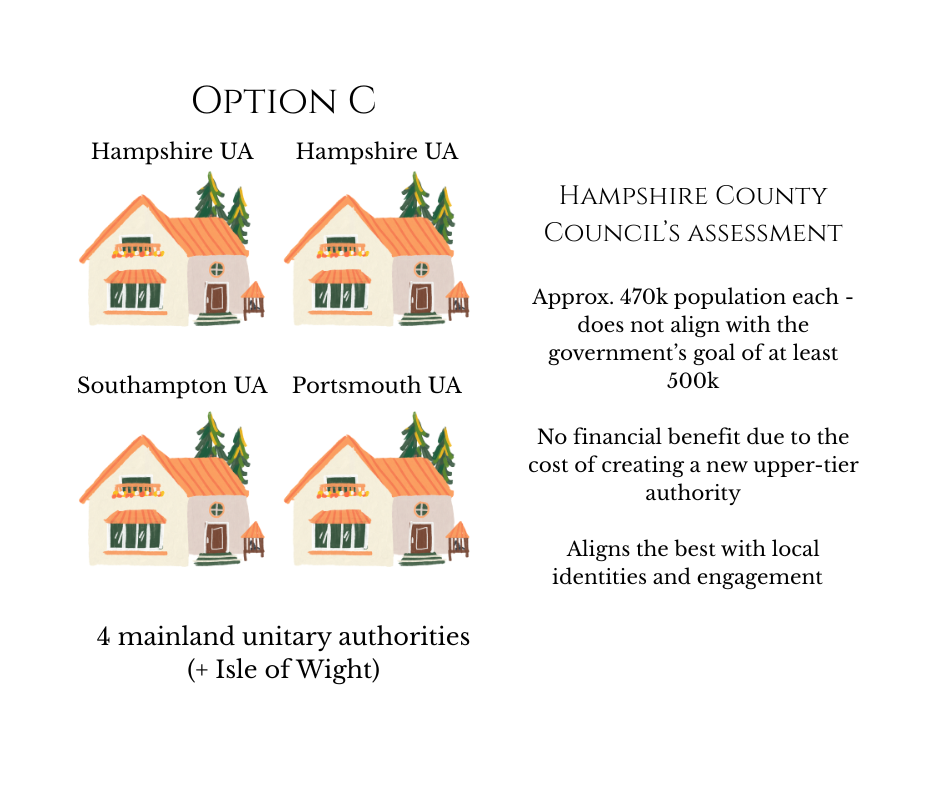
The first decision in the process of LGR must be how many authorities will be created, and where the boundaries will be. In their joint proposal, Hampshire County Council set out three options: 2, 3, or 4 mainland UAs. When taking into consideration the transition costs, service fragmentation, local identities and, most importantly, any efficiency savings, the County appear to have concluded that 2 mainland UAs is the best option. A conclusion not shared by other councils in Hampshire.
“13 out of the 15 councils are in the conversation about four unitary authorities,” Paul said, “2 councils, including the County Council, do not support that.”
On paper, two UAs will no doubt save the most money. “Based on it being the most efficient, you're probably going to come out with one council in the entire country,” explained Paul, “but efficiency isn't everything, it's also about democratic connection and the idea of an authority that maintains in touch with its residents.”
Hampshire is a diverse county with strong historical identities and connections; smaller authorities are better able to foster local connections and engagements. All three of the council leaders I spoke to favour the model of four UAs, and they did not mince their words when discussing this.
"County have some mad vision of two unitary authorities across Hampshire, one in the south and one in the north. And we’ll have this great super unitary authority that takes Portsmouth and Southampton, that's just not going to happen."
Southampton has a long and complicated history with Portsmouth. Football fans know it as the South Coast Derby, a term used for matches between the two cities. It seems trivial, but these identities really matter to people and can begin to explain why Lorna is so against a single UA covering Solent.
"It has been done on the back of a fag packet, it's badly thought out. What is potentially being proposed is Portsmouth, Fareham, Gosport and Havant all being merged together into a single unitary. Lots of areas that don't have anything in common, how is that going to work in reality?"
The leader of Fareham Council, Simon Martin, also has concerns about how the new boundaries are being created. He blames the government for this, “They have decided that they want large authorities, the decision will be what they say, but personally I think that is a mistake.”
The economy & financial considerations

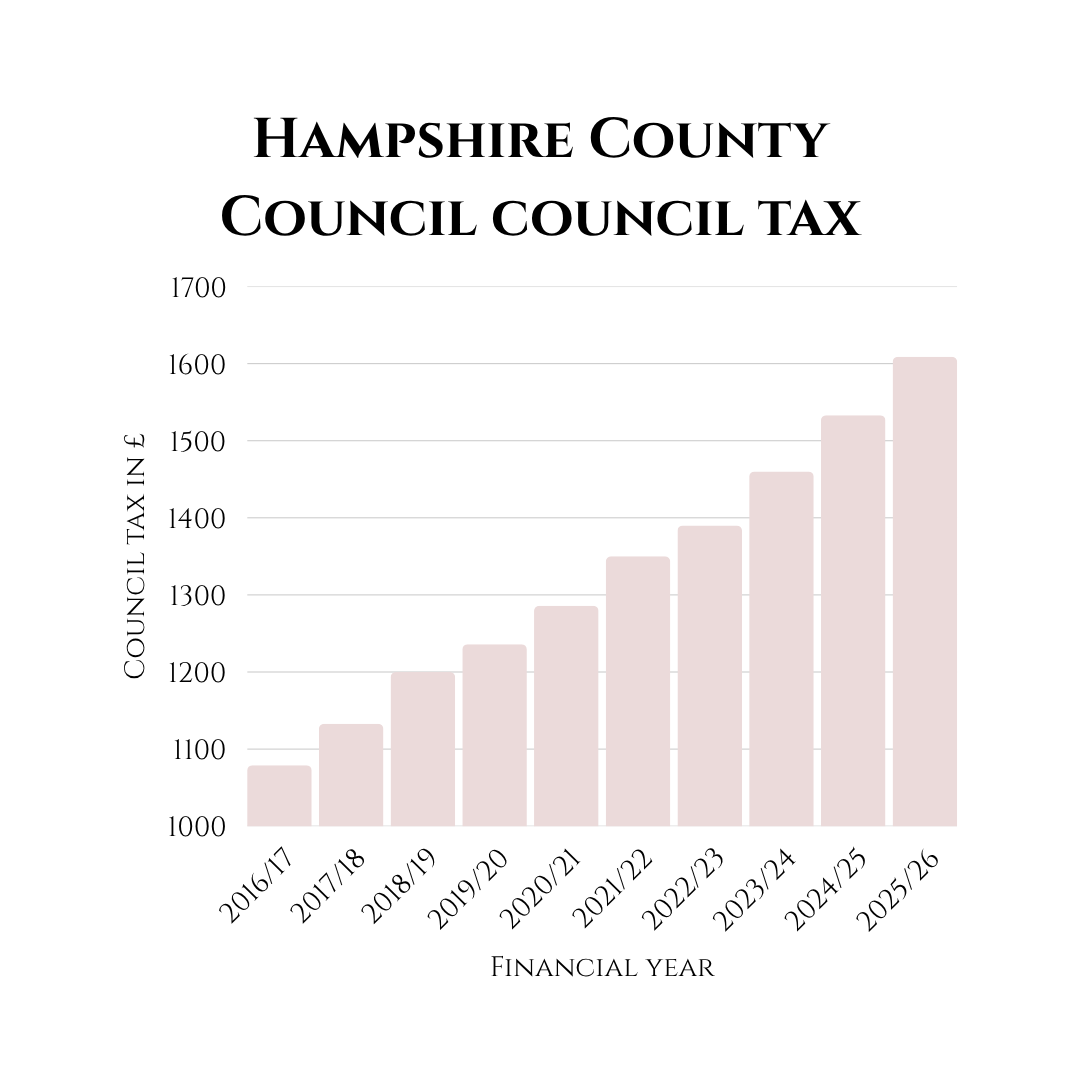
In November 2024, Hampshire County Council published a report saying they face going bankrupt in 2026/27 without more government support. This is a threat facing councils across the country, with the financial crisis largely being driven by spiralling social care and SEND budgets. The government hope that LGR will unlock efficiency savings and bring down the bill for local government across the country.
"Efficiency savings are the government's big thing. I don't think they know what they're talking about because there won't be efficiency savings because there's no new money on the table."
The council leaders I spoke to are sceptical about whether these savings will be realised, but analysis by the County Council Network paints a more positive picture.
They concluded that creating 29 new UAs with a population of at least 500,000 could save £1.85bn over five years. By contrast, creating 58 new UAs with a population of 300,000 creates a net cost of £845m over five years. This analysis aligns with Hampshire County Council’s conclusion that a model of four UAs across the county would be the least cost-effective.
There is an almost endless list of financial considerations when it comes to LGR, and each of the council leaders I spoke to had one hurdle they wanted to highlight.
"Nobody knows what will happen to the debt because they can’t make their mind up. It's a real dilemma bevause what do they do? Write the debt off and not spend it on the NHS or the police? We're talking millions of pounds."
At the front of Paul’s mind is what will happen to Hampshire County Council’s debt. They currently have an estimated £197m of debt, which must be split between the new authorities. District council leaders feel strongly that the debt racked up by Hampshire County Council is not their responsibility; many of them run with zero budget deficit and fear that taking on the County’s debt will add strain to their services.
"Because we are already a unitary authority and will take in some more councils, the savings that we feel won't be the same as those who are five districts that become one. It will be unevenly felt, but it's about the overall cost to the country.
Lorna is bracing for the efficiency savings in Southampton to be lower than in other areas. LGR is designed to bring in savings when several layers of council services are simplified into one single authority, but Southampton Council will not benefit from the merging of services. Instead, they will take on a wider population and, in the short term at least, are likely to see the cost of running the council rise.
Identities and community connection

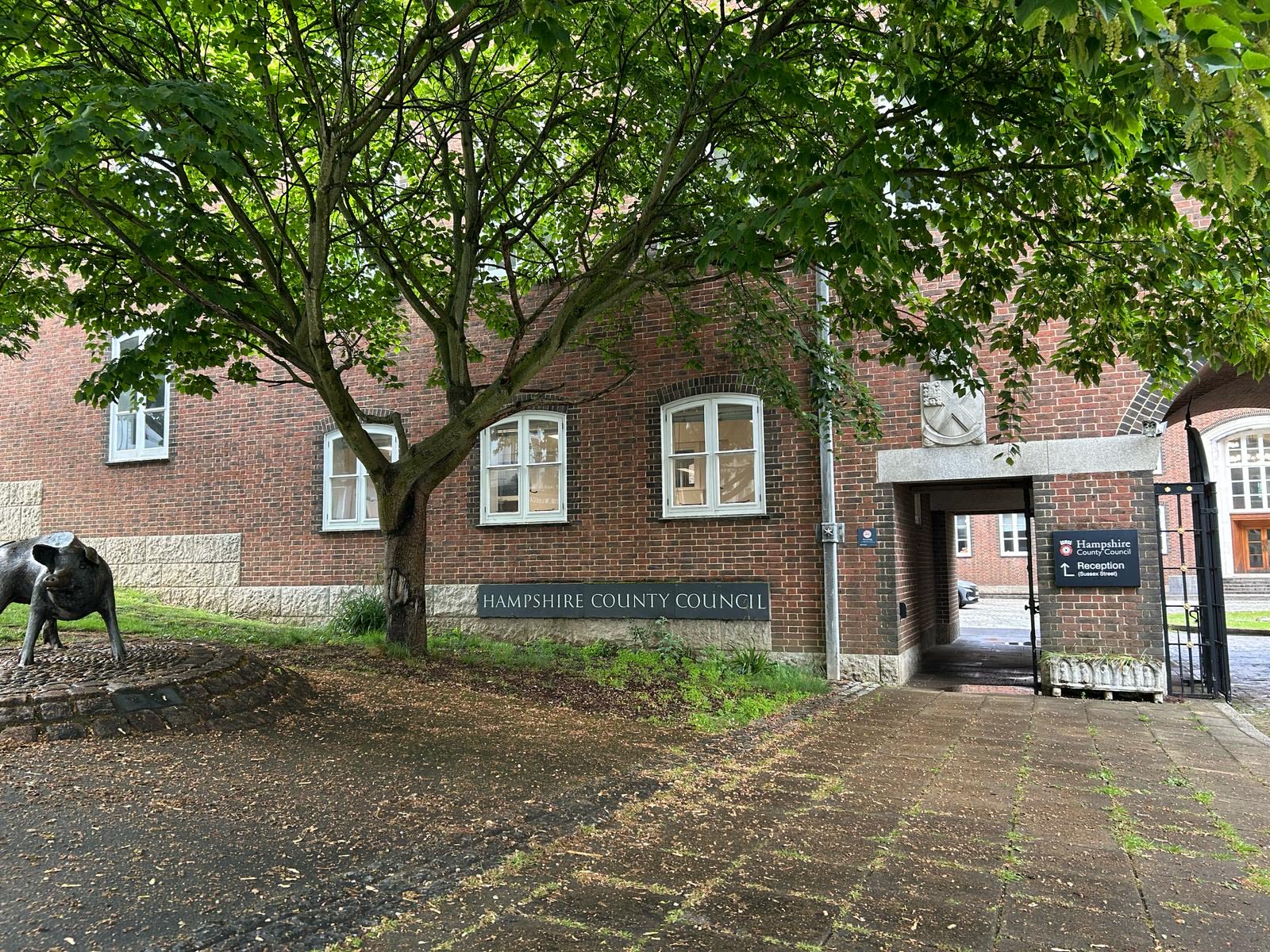
Local government is a community kind of politics; it relies on connections with communities in a way that Westminster politics does not. LGR threatens to upend the affinity people feel with where they live, often defined by which council they are under.
Simon has several reservations about LGR, but at the top of his mind is the fear of an erosion of local identity. He puts it in the starkest terms, the possibility that Fareham will no longer exist as it gets sucked into a larger Solent UA.
"I think people have already started saying they don't want Fareham to cease to exist. Having a boundary which reflects where people associate with should be the key focus."
Lorna has similar concerns for her residents, she has been hearing from people on the doorstep that they worry about a loss of identity with these changes. She has a message of advice for those living in Southampton.
"How I think about it is that the identity of a place doesn't change because the administrative boundary changes. People will keep their identity regardless of what the top of their council tax bill says."
But will it work...
What lessons can we learn from Dorset?
Although Labour’s vision is for all areas of England to move to unitary authorities, the concept of local government reorganisation isn’t a new one. Hampshire's closet neighbour, Dorset, went through the process in 2019, and those involved have plenty of words of wisdom for those who will come after them.

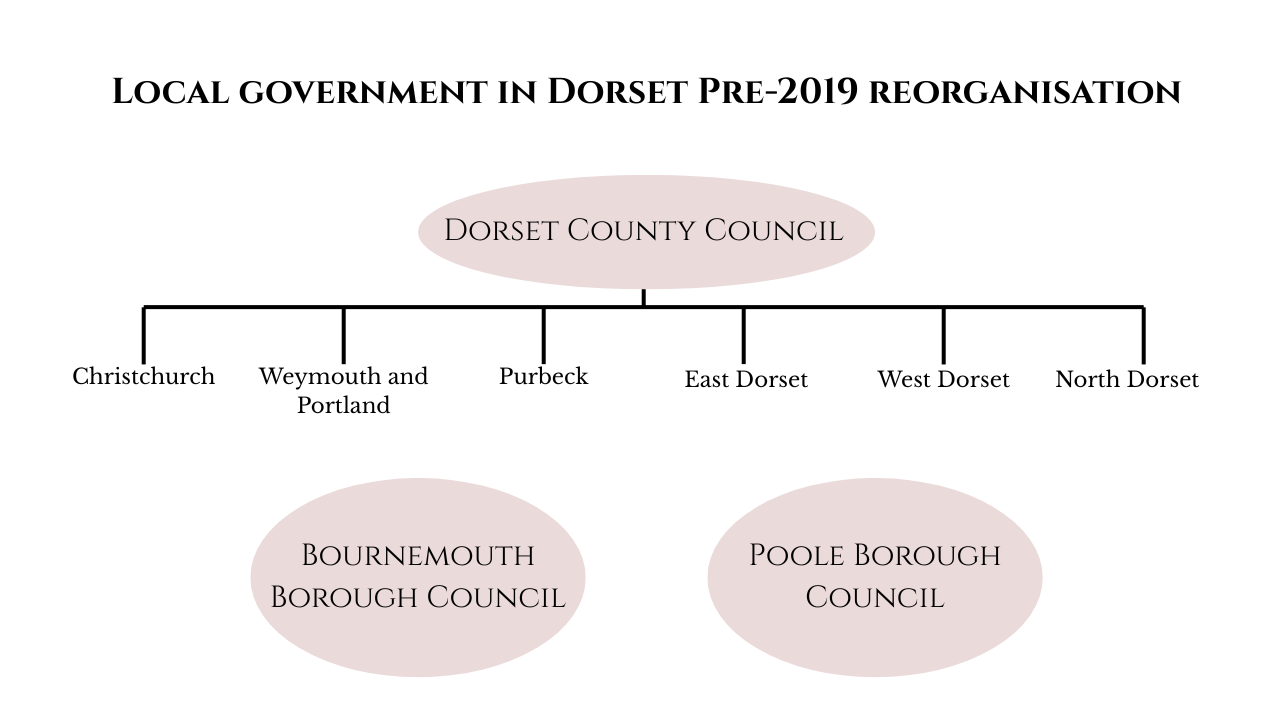
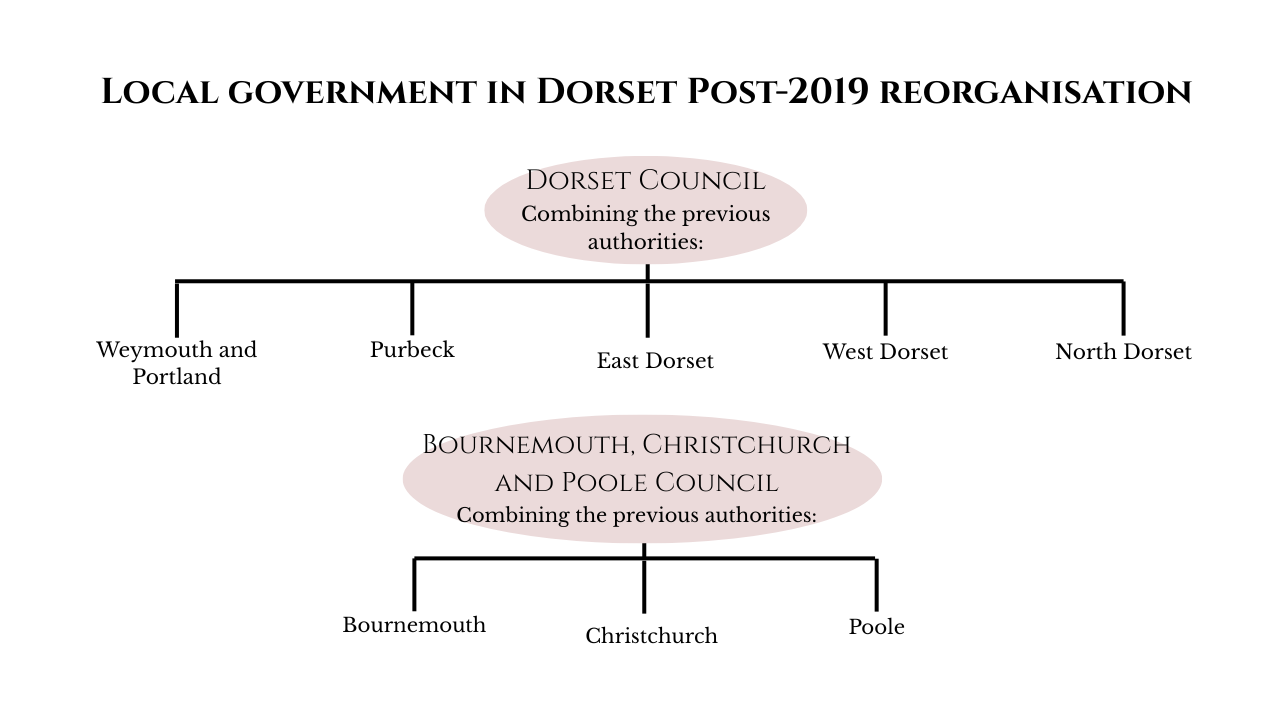
Spencer Flower was the Leader of East Dorset Council before 2019, where he played a key role in convincing the rest of Dorset to get on board with LGR. He was then elected as the first Leader of the new Dorset council in 2019. He led the Conservative administration until they lost power in 2024 and now sits in the opposition alongside his work as a Local Government Association Peer, where he shares his experience with councils in the process of LGR.

Listen to my conversation with him about his memories from that time:
The future for residents of Hampshire will be decided after final proposals are submitted at the end of the year. From there, real scrutiny of these changes will start.
For a final thought from Paul Harvey: the possibility that the process collapses under pressure.
"This is one of the biggest asks of the government, which is why it could all fall over next year, given what they are facing in national and international crises. Are they really going to go through with this? They sound determined, and they're giving all the indications that they are determined, but they're really going to have to be determined to see it through."
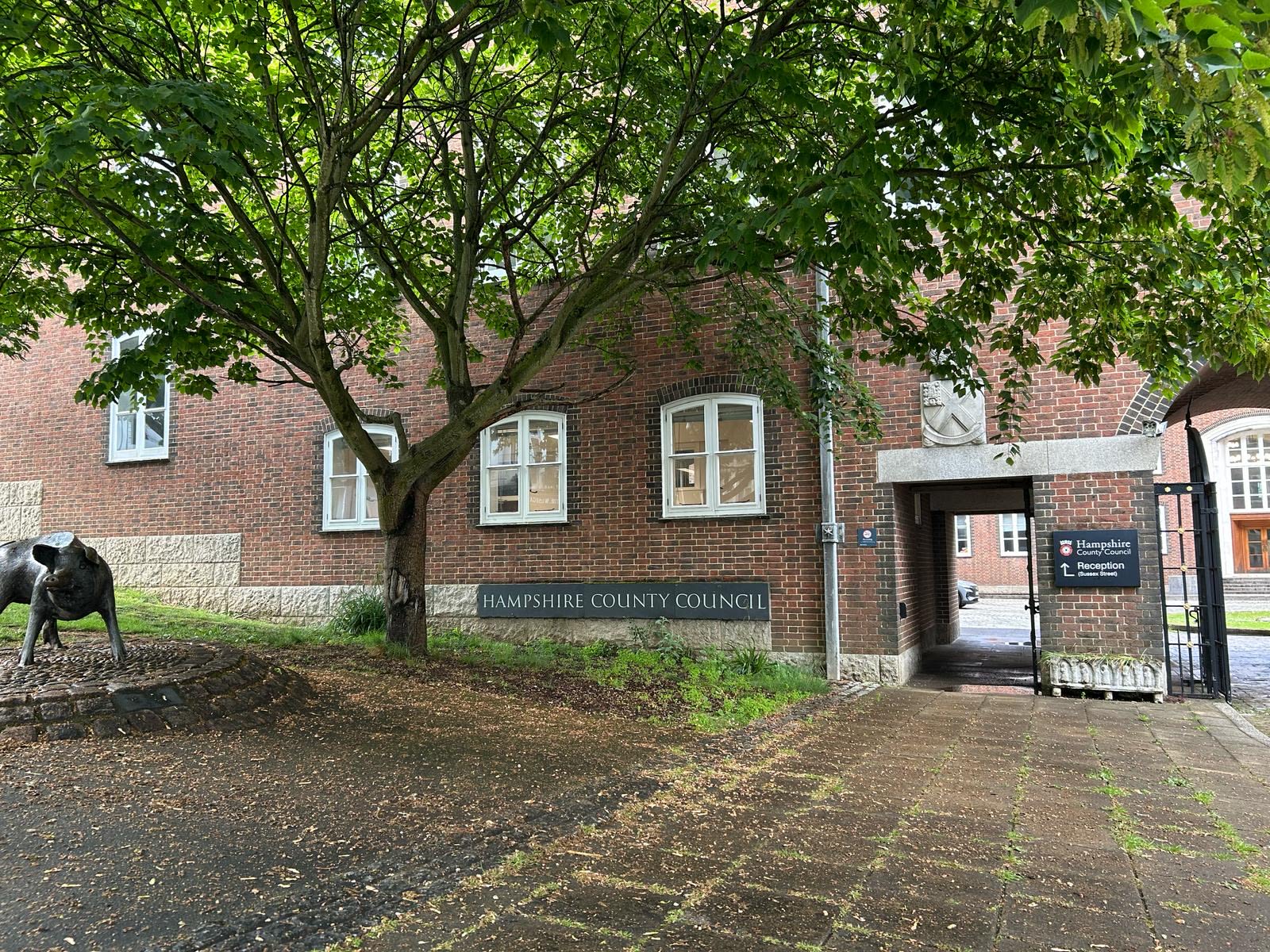
Hampshire County Council have not responded to requests for comment.

 Built with Shorthand