Bournemouth West Labour MP Jessica Toale appeals for local voices
Making a Brighter Future for Bournemouth - Prioritise Survey
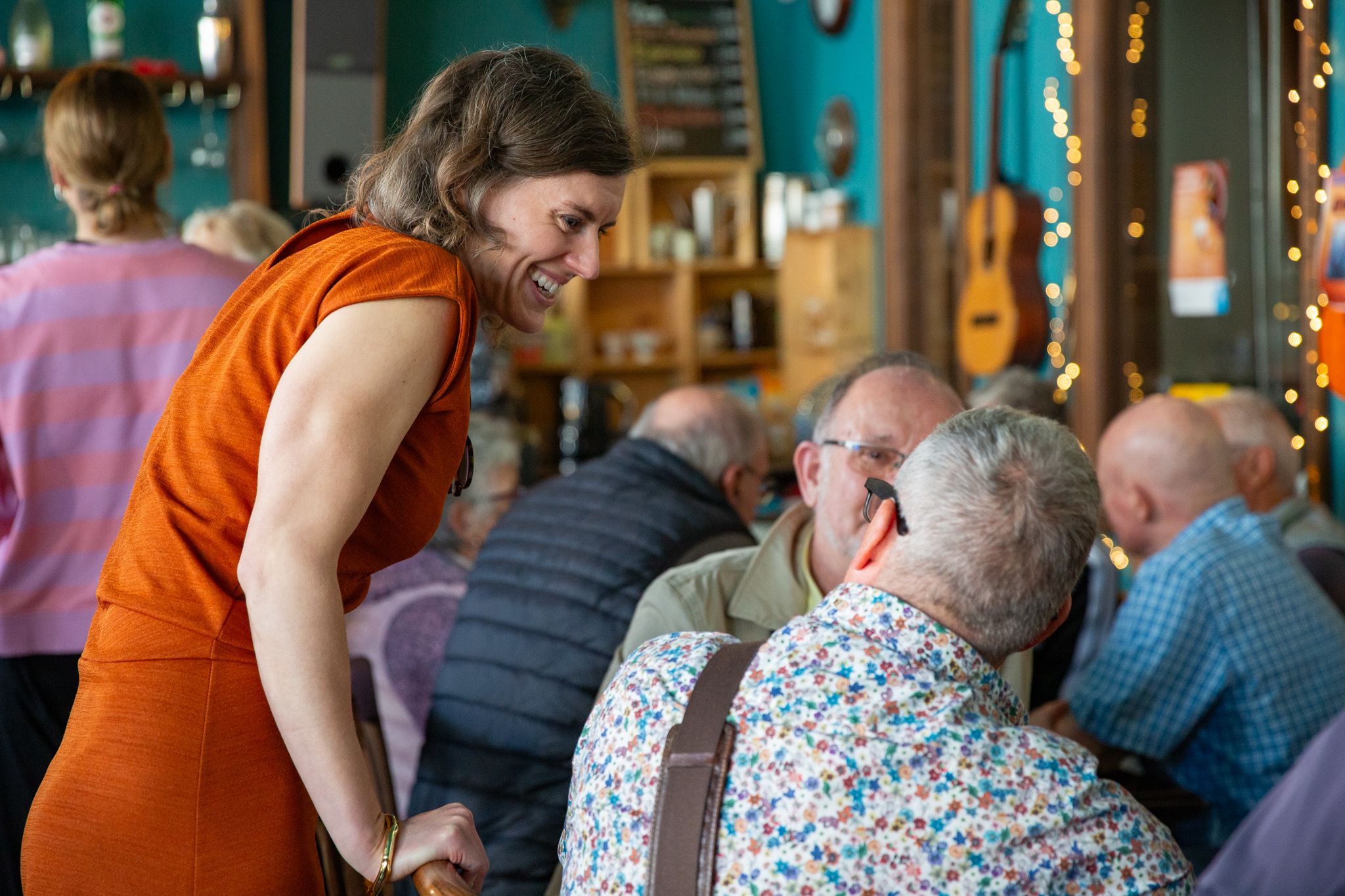

Bournemouth West Labour MP Jessica Toale, asks residents to choose most pressing issues in the local area as concerns over housing, elderly care and protection of the coastal environment continue to dominate local debate.
A new survey has been launched by Bournemouth West’s MP to gather what areas and issues of the town need improving. It is asking residents to choose what matters most to them.
Toales’ Make a Brighter Future for Bournemouth initiative aims to create an open forum for residents to actively engage with the issues she hopes to work on in her cabinet.
The prioritise survey was released to the public in early January 2026, and Toale hopes to collect answers by next week, the end of January 2026.

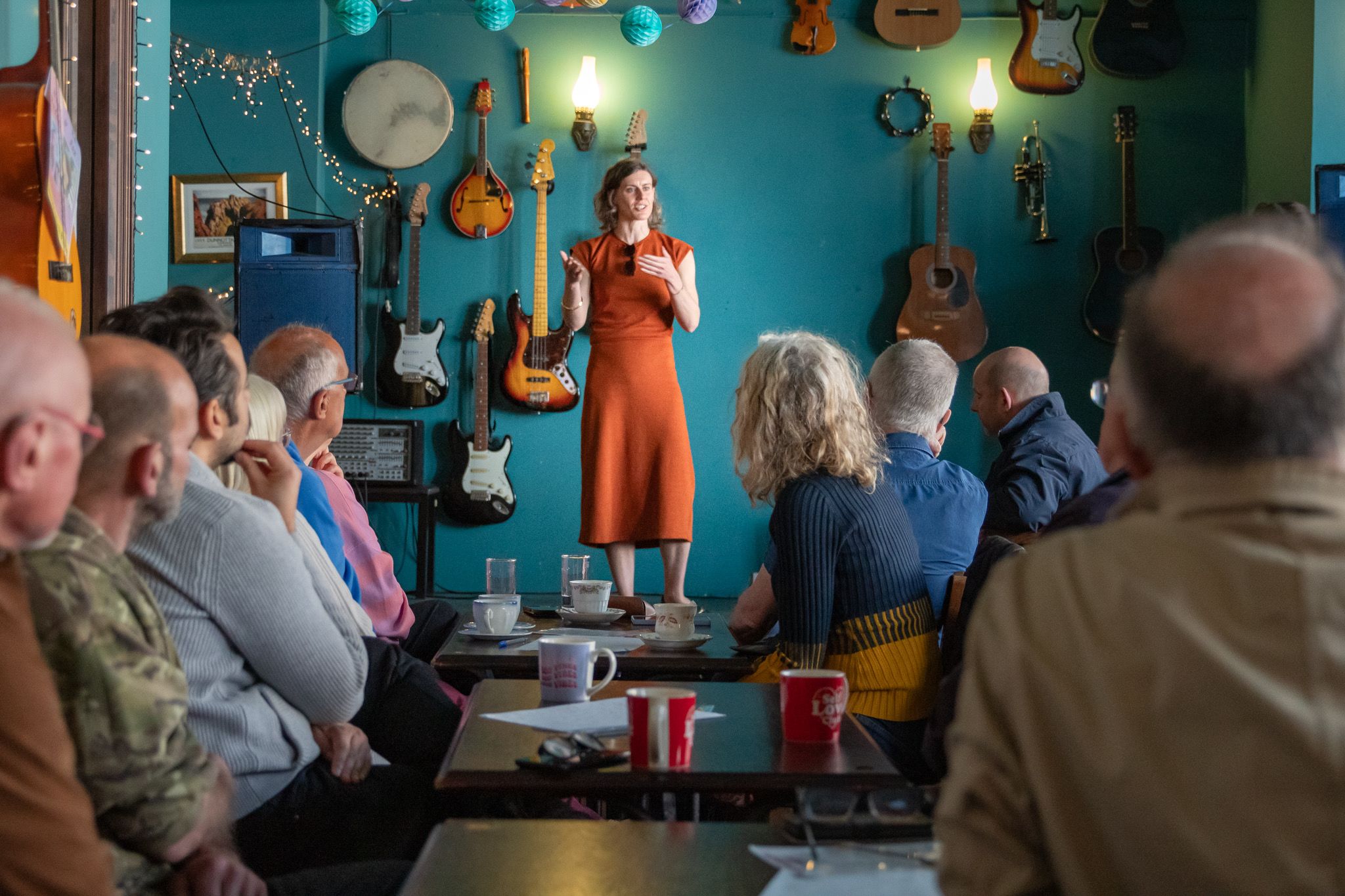
The survey put forward five key prioritise that the Bournemouth West Labour cabinet aim to tackle, these are:
1. Revitalising Bournemouth Town Centre
2. Tackling crime and anti-social behaviour
3.Improving access to GPs and dentists
4.Protecting our natural environment
5.Fairer Housing
Jessica Toale said: “I stood for election here because I think Bournemouth is an absolutely amazing place but like a lot of people, I thought things weren’t moving in the right direction. Whether that was the state of our town centre, whether that was the type of care elderly residents could get, or whether it was sewage pollution in the sea and how we looked after our environment.”
“For me, we’ve got so many gems of potential in Bournemouth to really make this a place people want to come and study, stay, build their lives, start their careers, start their families and that’s because on the one hand we’ve got the beautiful beaches and natural areas but we’ve also got a really amazing culture of wellness and good lifestyle which is matched with this really unique creativity, innovative and digital excellence that we’ve got in the local area and so bringing those things together I think will mean a really bright future for Bournemouth. ”
Toale explained that once the survey is closed for applications herself and her team can start running policy sprints to hone in on each different priority. This consists of a “really intensive two months of work on each of those policy areas.” As a result, Toale described that her team can then move the dial to make sure they are streamlining all their communications and having the right conversations, the right type of meetings, and picking up issues to raise in parliament.”
Toale said: “A big issue is how do we make sure that communities in Bournemouth feel unified and supported, not divided, and I think this is the key political issue of our time and it’s one where young people will play a really big role. It will be one where we need to get people out of their comfort zone.”
Consistent dialogue between decision-makers and residents helps to prevent long-standing concerns from being overlooked.
Local Bournemouth resident Dean Johnstone said : “It is great to see that locals are being asked what they believe are the biggest problems in our town. It’s nice to have a say and be involved in what's happening in our town.”
“I guess the only way for MP’s to know what, as a collective, the people hope to see change is through questionnaires and surveys like this one."
When asked what he believes to be the most important priority, Johnstone said: “For me, revitalising the town centre is very important, and I’d like to see some changes there. I have lived here my whole life and to be honest I have seen a decline in what the town has to offer.”
Ensuring that locals feel heard and their everyday queries and struggles are being acknowledged is paramount. Toale works to bridge the gap between government policy makers and the general Bournemouth public. Subsequently, rejuvenation of the town can be facilitated directly from the people living in it.

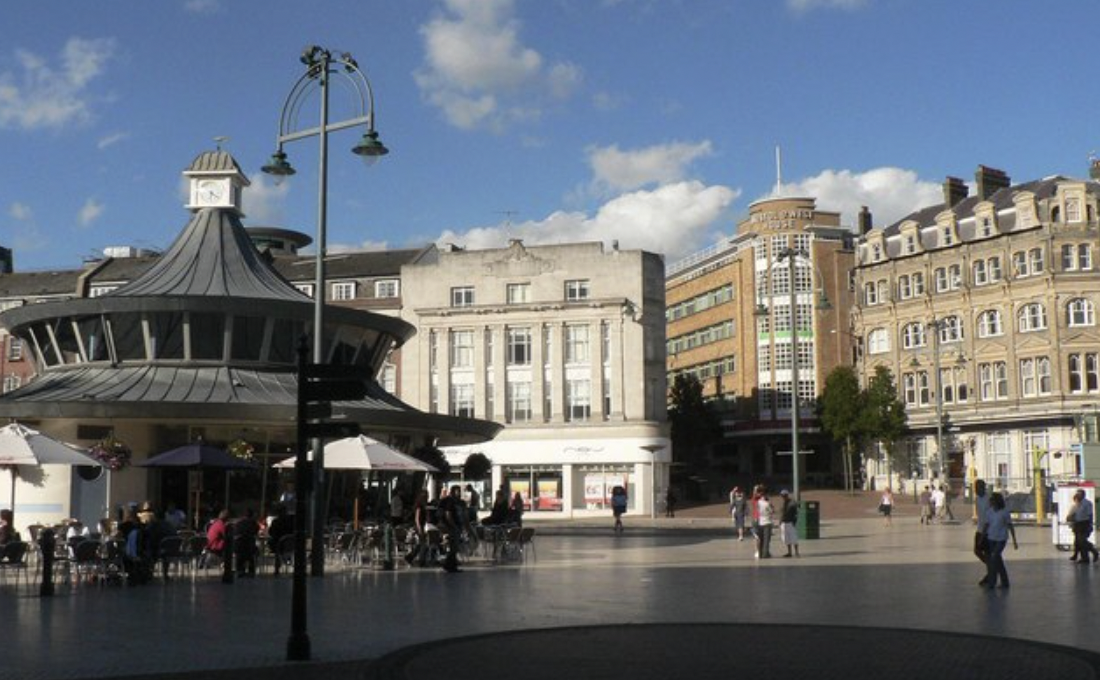
The Square, Bournemouth | Chris Downer, wikicommons
The Square, Bournemouth | Chris Downer, wikicommons
Toale said: “I can only do my job if people tell me what the most important things are to them. Over the last year and a half my team and I have been focused on the main prioritise for the work that I can do. As you may know, if you are a MP representing a local area there is a million and one issues that you can pick up so over the course of the campaign when I was a candidate and since, I’ve had tens of thousands of conversations with local residents. We get about 15 hundred emails a month from residents asking for support or trying to share their opinions on things.”
It has been clear that without rigid pathways for raising concerns, urgent issues risk being lost amid broader political debate. Through ongoing engagement and adequate support, the people in power and Bournemouth locals can work together to tackle the most pressing issues.
Toale: “I’ve put out a leaflet and a lot of comms on this, set out exactly what I’ve achieved against those five things whether that be setting up the Bournemouth Town Centre Citizens panel or getting funding to reopen health centres or changing the law to make sure water bottles are liable for the pollution they might put into the sea. Then I basically turn it back on local residents in Bournemouth to say are these still the right things, is there anything else that I am missing.”
Toale is expected to close the survey in coming days and is urging via her social media channels for Bournemouth West residents to engage and be a part of her Make a Brighter Future for Bournemouth initiative.
 Built with Shorthand