
The Bottleneck in Women's Football: Is The FA Stifling Growth?
Women’s football in England continues to grow year on year; however the current structure of promotion and relegation is under scrutiny with many arguing that it is holding back the development of the game.

The Current Structure
At the moment, only one team is promoted and relegated in all leagues each season. Ultimately creating a bottleneck effect that supresses progression and competition.
The current football pyramid’s promotion and relegation system has drawn criticism for limiting clubs’ abilities progress. In the 2023/24 season, Exeter City’s unbeaten campaign saw them promoted to the third tier with a record of 20 wins, two draws, and zero losses. However AFC Bournemouth Women, with a similarly incredible record of 19 wins and three draws, missed out despite remaining unbeaten.
This narrow margin highlights the flaws in the current system, where a single promotion slot fails to reward all those who perform exceptionally. Bournemouth, who haven’t lost a league game since March 2023, currently have nine wins from nine, highlighting their dominance in the division. Exeter City have adjusted well to the Southern Premier Division, sitting third and continuing their momentum.

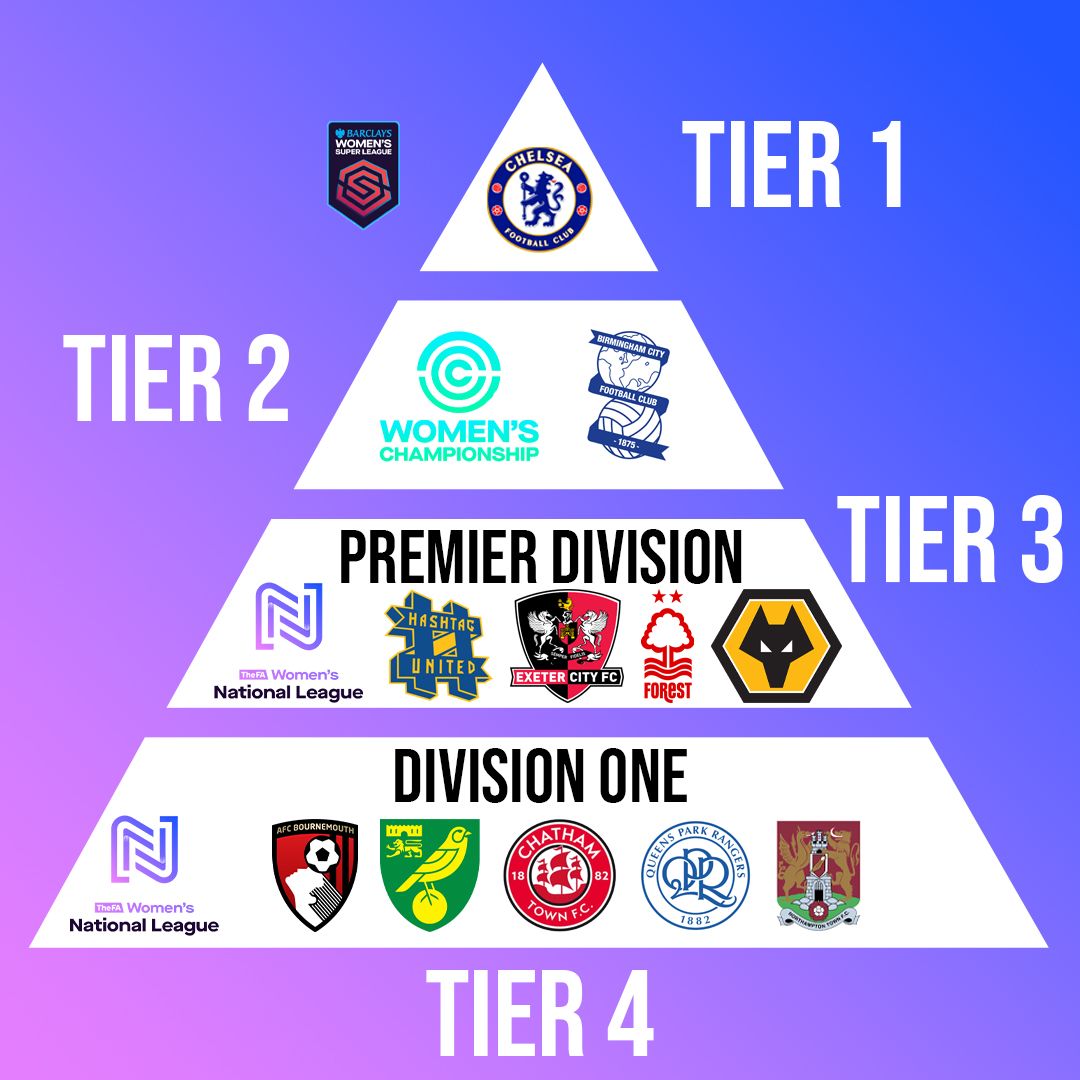
A tier by tier guide of the Women's football pyramid
A tier by tier guide of the Women's football pyramid

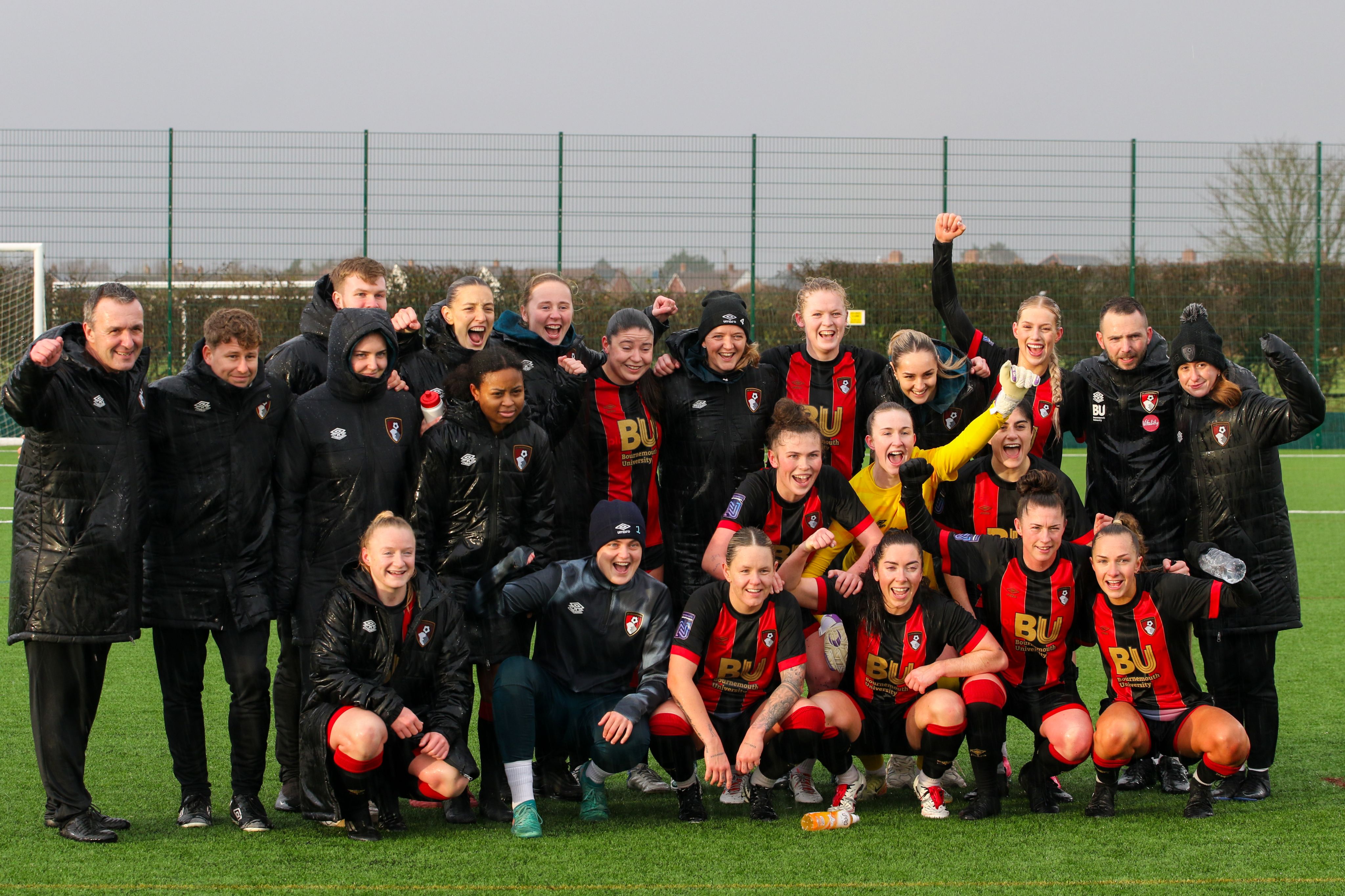
Up for the Cup: Steve Cuss' AFC Bournemouth Women's team celebrate making it through to the final of the National League Plate | Photo by: Zach Sampson
Up for the Cup: Steve Cuss' AFC Bournemouth Women's team celebrate making it through to the final of the National League Plate | Photo by: Zach Sampson


Steve Cuss giving instructions to Molly Barron-Clark and Amber Treweek at Canford training ground | Photo by: Zach Sampson
Steve Cuss giving instructions to Molly Barron-Clark and Amber Treweek at Canford training ground | Photo by: Zach Sampson
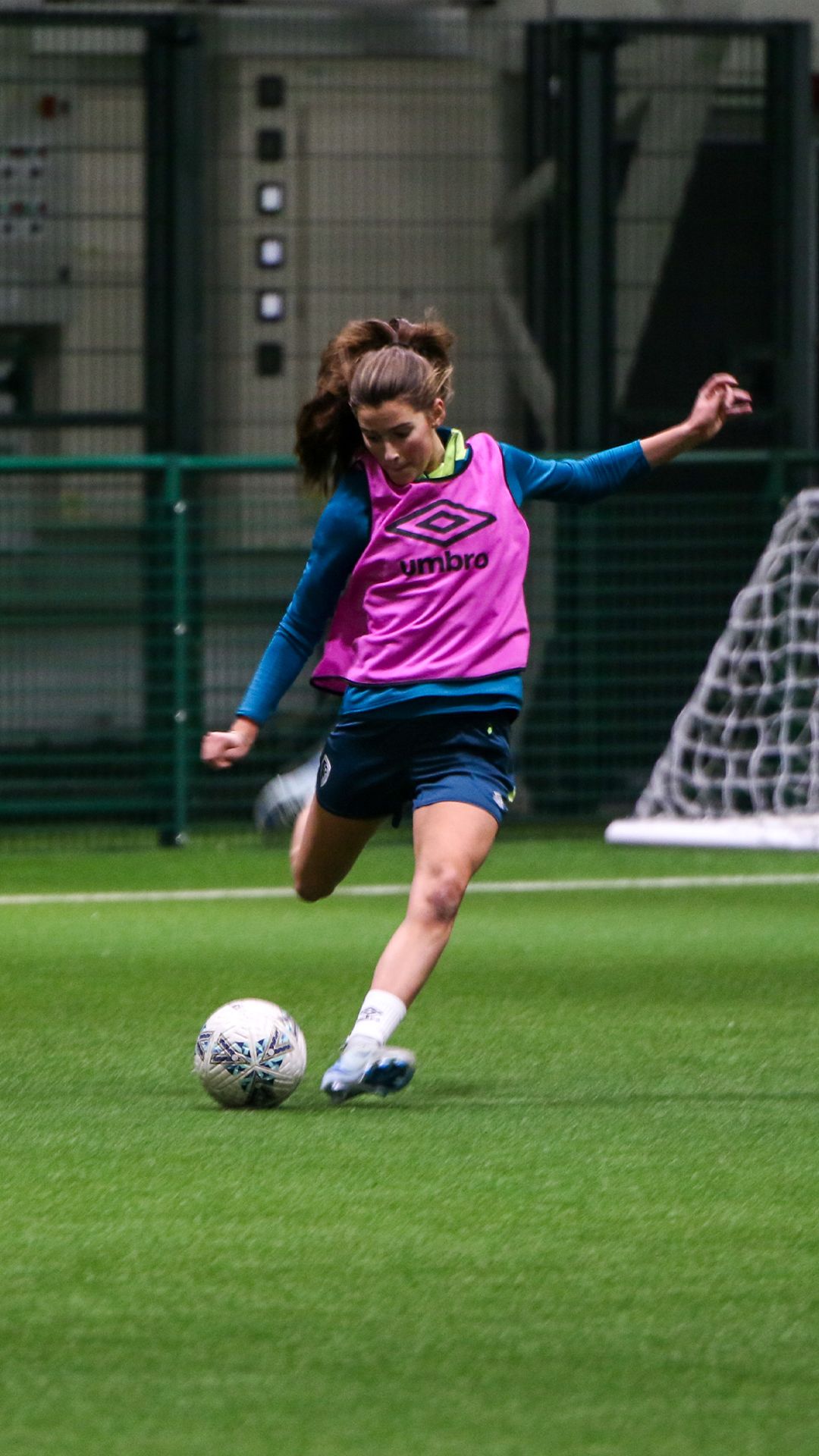
Eloise Hall training at AFC Bournemouth's brand new Canford training ground | Photo by: Zach Sampson
Eloise Hall training at AFC Bournemouth's brand new Canford training ground | Photo by: Zach Sampson
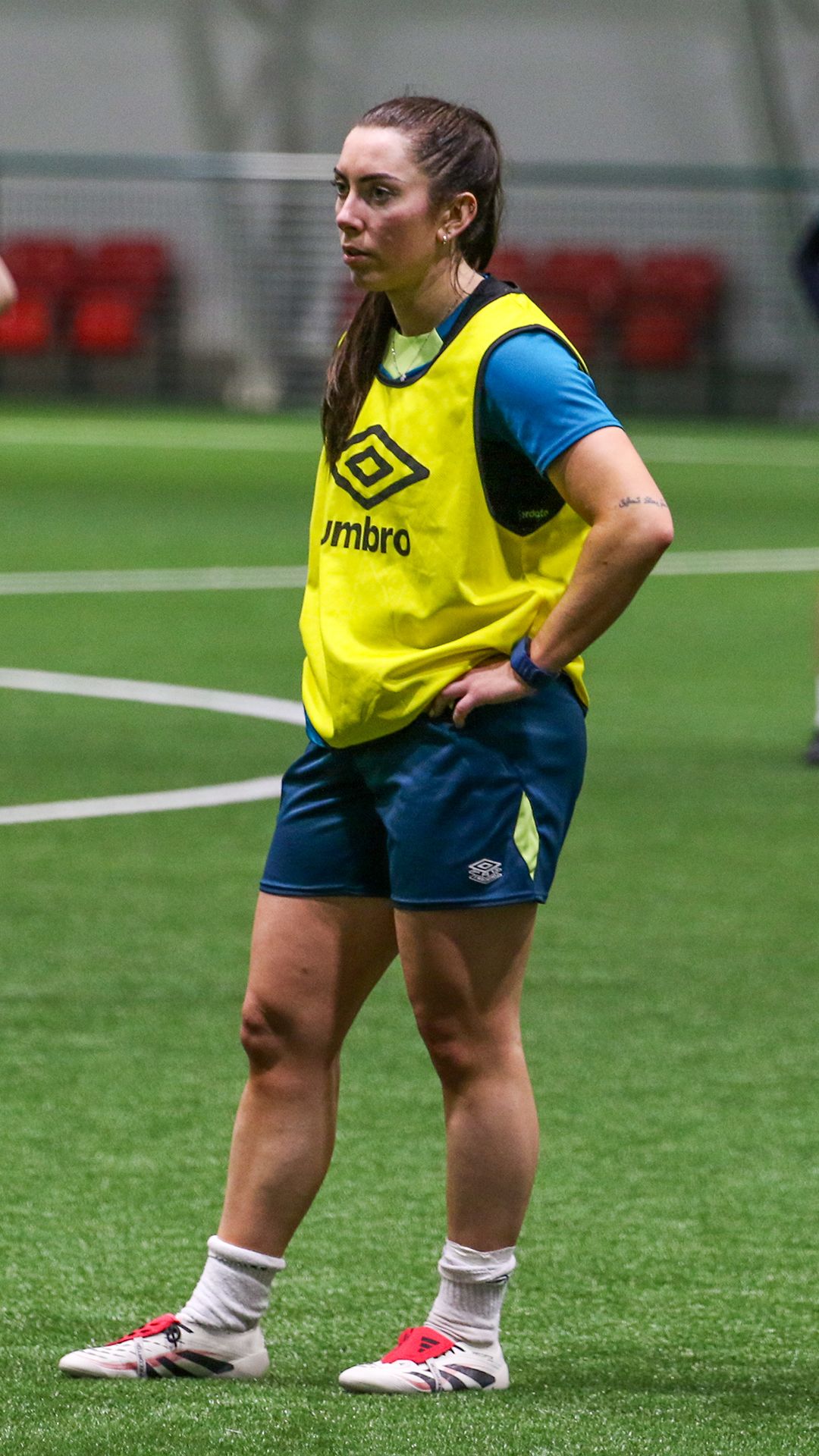
Gemma McGuiness | Photo by: Zach Sampson
Gemma McGuiness | Photo by: Zach Sampson
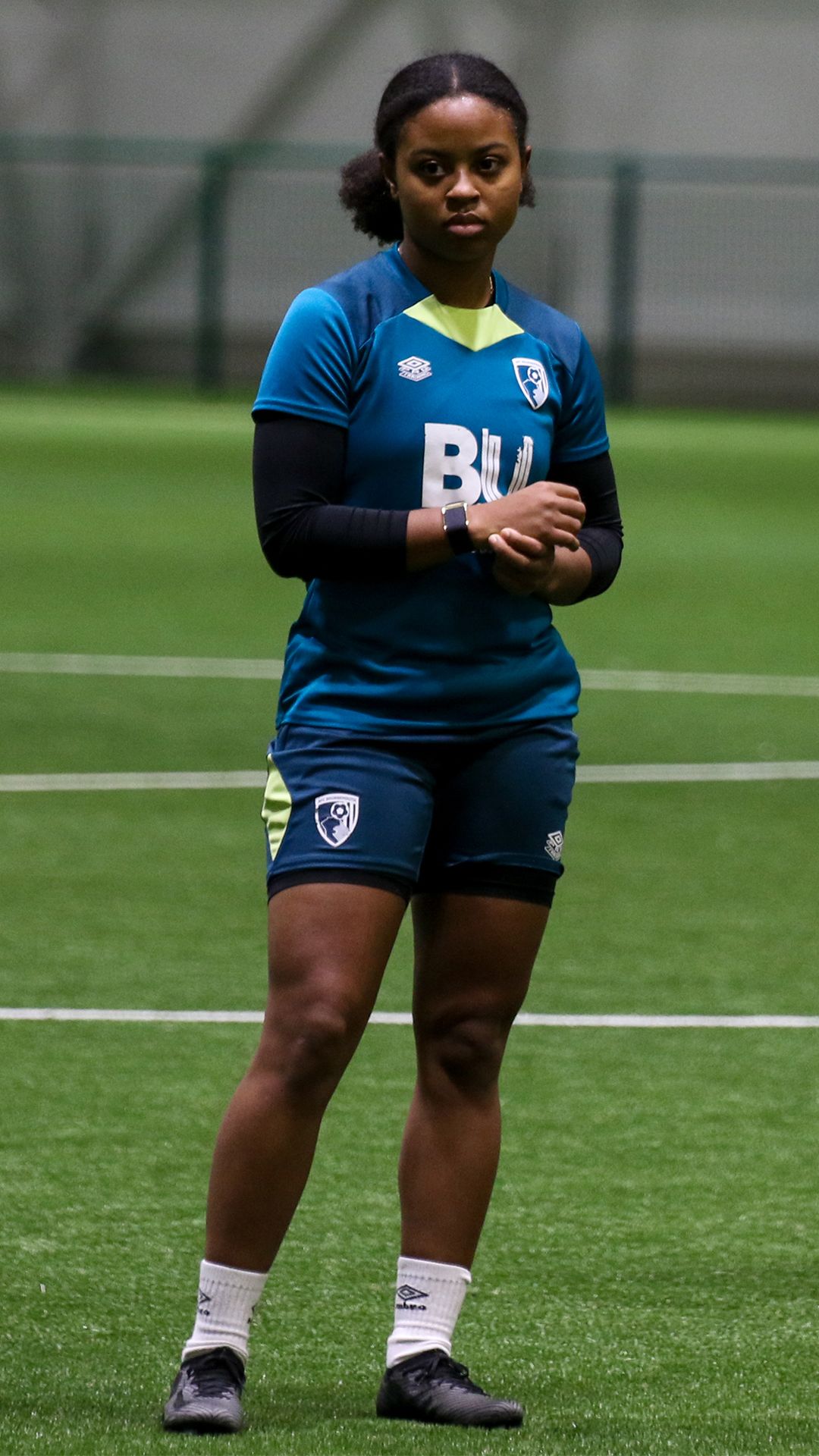
Bermudian footballer Kenni Thompson | Photo by: Zach Sampson
Bermudian footballer Kenni Thompson | Photo by: Zach Sampson
Calls for Reform
The debate over the promotion policy has attracted high-profile voices, including those of footballing legends, Ian Wright and Steph Houghton. Speaking on The Crossways podcast, the former England defender said there should “one million per cent” be more movement between the pyramid to make it “more competitive at the bottom parts of the leagues”.
Wright agreed saying two teams should be promoted and relegated in the WSL and Championship. He then suggested: “Third bottom in the WSL and third in the Championship should have a play-off.
“It would give the Championship players more to fight for and it would stop the WSL teams who aren’t mentally challenged at the moment from slacking off mid-way through the season”.
Houghton went on to add: “The league format doesn’t have enough games. You want more games, more teams involved and more at stake. For those trying to stay in the league and for those trying to win the league, it gives more opportunity to fail but it also to succeed as well”.
These changes could prevent mid-table complacency and provide greater incentives for clubs to remain competitive throughout the season.

Kelci Bowers was on loan from Portsmouth last season, but moved to The Cherries permanently in the summer | Photo by: Zach Sampson
Kelci Bowers was on loan from Portsmouth last season, but moved to The Cherries permanently in the summer | Photo by: Zach Sampson
Club Perspectives
AFC Bournemouth Women’s story is unique: going invincible yet not being able to reap the rewards of their domestic success. This injustice created jeopardy for the team with head coach Steve Cuss worrying about the team’s motivation pre-season: “Winning all the games that we won, being undefeated and not getting promoted, you sometimes feel that it might have a negative effect on the players, but our players have been absolutely fantastic in the first half of the season.
“We’ve also been boosted by a few signings who came in at the start of the season who obviously didn't have that baggage of winning all the games last year and not getting promoted so it was a fresh outlook for them”.
Semi-professional teams such as Moneyfields and Swindon Town, will also have their hearts set on promotion, but face similar challenges to The Cherries.
The narrow window for upward movement makes it difficult for clubs to develop long-term strategies and sustain growth, particularly when so many are trying to improve their infrastructure and professional standards.
Are the FA Listening?
The Football Association (FA) has recognised the pyramid’s need for change and are engaging in conversations with clubs and stakeholders to work out the best solution.
Some of the meetings have been taking place at The Macra Community Stadium, home to Ringwood Town FC and AFC Bournemouth Women. The Cherries boss was pleased with how conversations were advancing: “I think the FA are doing really well in consulting clubs and allowing that progress to happen.
“I think probably in the next season, maybe two seasons, we're going to see a slightly different format for the women's pyramid.”
Cuss proposed introducing playoffs that would mirror the men’s system: “I'm old enough to remember pre-playoffs and when you get to the second half of the season for those teams that are in the middle of the division, there's often not a lot to play for. They introduced the playoffs, I think it was in the late 80s, early 90s for the men's and it revolutionised the game.
“Whether it's one up and a playoff system or two up and a playoff system, my preferred choice would be to see that. If you're in the middle of the table, if you're not fighting for relegation, you can't get promoted. That second half of the season, if you're stuck in the middle, can be not too exciting.”



Whilst the current pyramid structure has been a good building block for the professionalisation of the women’s game, it is becoming clear that it is no longer fit for purpose.
Expansion of both number of teams and opportunity for promotion and relegation will rejuvenate competitions and provide greater incentives for clubs and players.
For teams like Bournemouth, reform cannot come soon enough. As the women’s game continues to grow, The FA must adapt to ensure its full potential is realised.
Not enough for you? Listen to Liam Headen's mini-podcast here.
 Built with Shorthand