
The ground rent trap: Is Starmer's cap enough?
Bournemouth estate agents warn that low leases and legislative delays leave homeowners in limbo
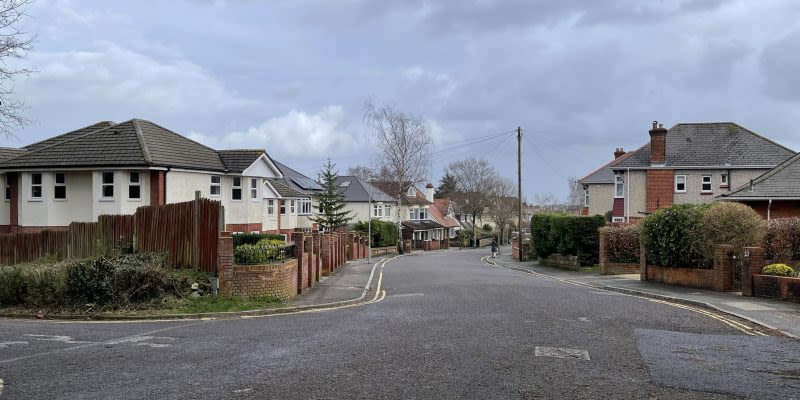

For millions of leaseholders in England and Wales, leasehold property ownership can feel like a tax on existing.
In a recent TikTok announcement, Prime Minister Keir Starmer promised a £250 cap on ground rents, a move to support flat or apartment owners with the cost of living.
He said: “I have spoken to so many people who say this will make a difference to them of hundreds of pounds. That is really important because the cost of living is the single most important thing across the country.”
“This is a promise we said we would deliver and I am really pleased that we are delivering on that promise.”
For those living in leasehold properties in Bournemouth however, the reality is more complex.
The government’s Leasehold and Commonhold Reform Bill aims to change the current system; where homeowners pay hundreds of pounds a year to a freeholder, who owns the land their property sits on.
The headlines may promise relief but professionals in the housing sector warn of a long, litigious road ahead.
According to the Department for Leveling Up, Housing & Communities, In 2022-23, there were an estimated 4.77 million leasehold dwellings in England.

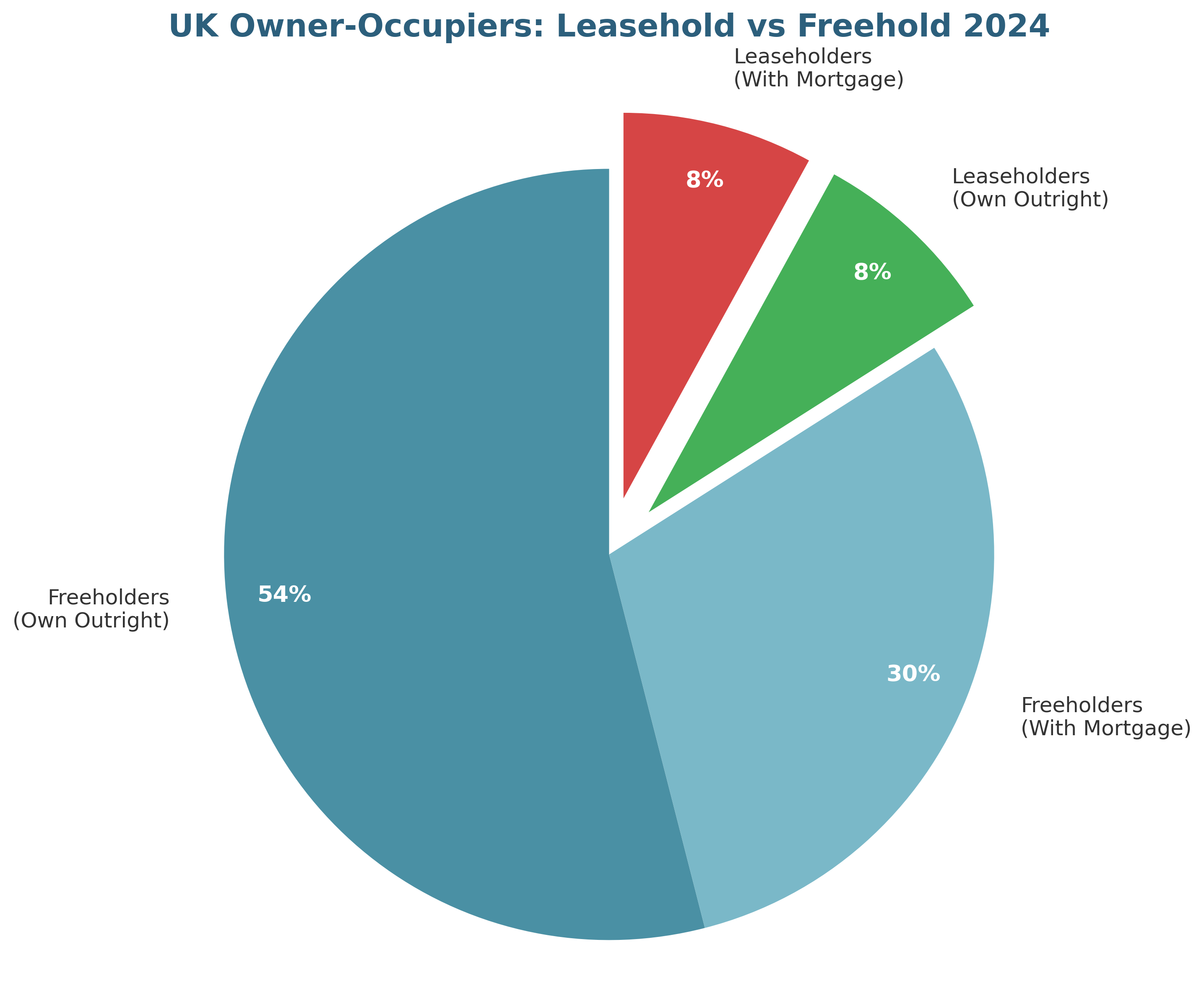
Owner-occupiers in England by tenure and legal status. While 65% of households own their homes, approximately 1 in 6 homeowners are leaseholders | Source: Ministry of Housing, Communities & Local Government (MHCLG), Leasehold Dwellings England 2023-24/2024-25, and the English Housing Survey.
Owner-occupiers in England by tenure and legal status. While 65% of households own their homes, approximately 1 in 6 homeowners are leaseholders | Source: Ministry of Housing, Communities & Local Government (MHCLG), Leasehold Dwellings England 2023-24/2024-25, and the English Housing Survey.
Leaseholders do not own their building; they rent the right to live on the freeholders land for a set period, ground rents are the fees paid.
The average ground rent in the UK is around £304 but some contracts include clauses that can see fees double at fixed intervals.
The Bill proposes a £250 cap on existing ground rents and a transition towards a "peppercorn" rate, a fee so small it is considered negligible, by 2068.
It also bans the creation of new leasehold flats, aiming to move the market toward a commonhold model where owners manage the building, not a freeholder.
Housing Secretary Steve Reed said: “The leasehold system has tainted the dream of home ownership for so many. We are taking action where others have failed, strengthening home ownership and calling time on leasehold for good.”
Matthew Hillier (38), Branch Executive at Hearnes, describes Bournemouth as a “hub of leasehold,” adding that these properties are the "bread and butter" of the local market.
Hillier welcomes the proposed cap but remains sceptical about how quickly residents will feel its effects. "They can talk about this, but you're probably not going to see anything until the end of 2028," he warns.
This delay can be frustrating in a market where ground rents fluctuate so wildly. "250s are normal, but they can be double that," Hillier explains. "Sometimes they're like £550, which I've always felt is, in my opinion, wrong."

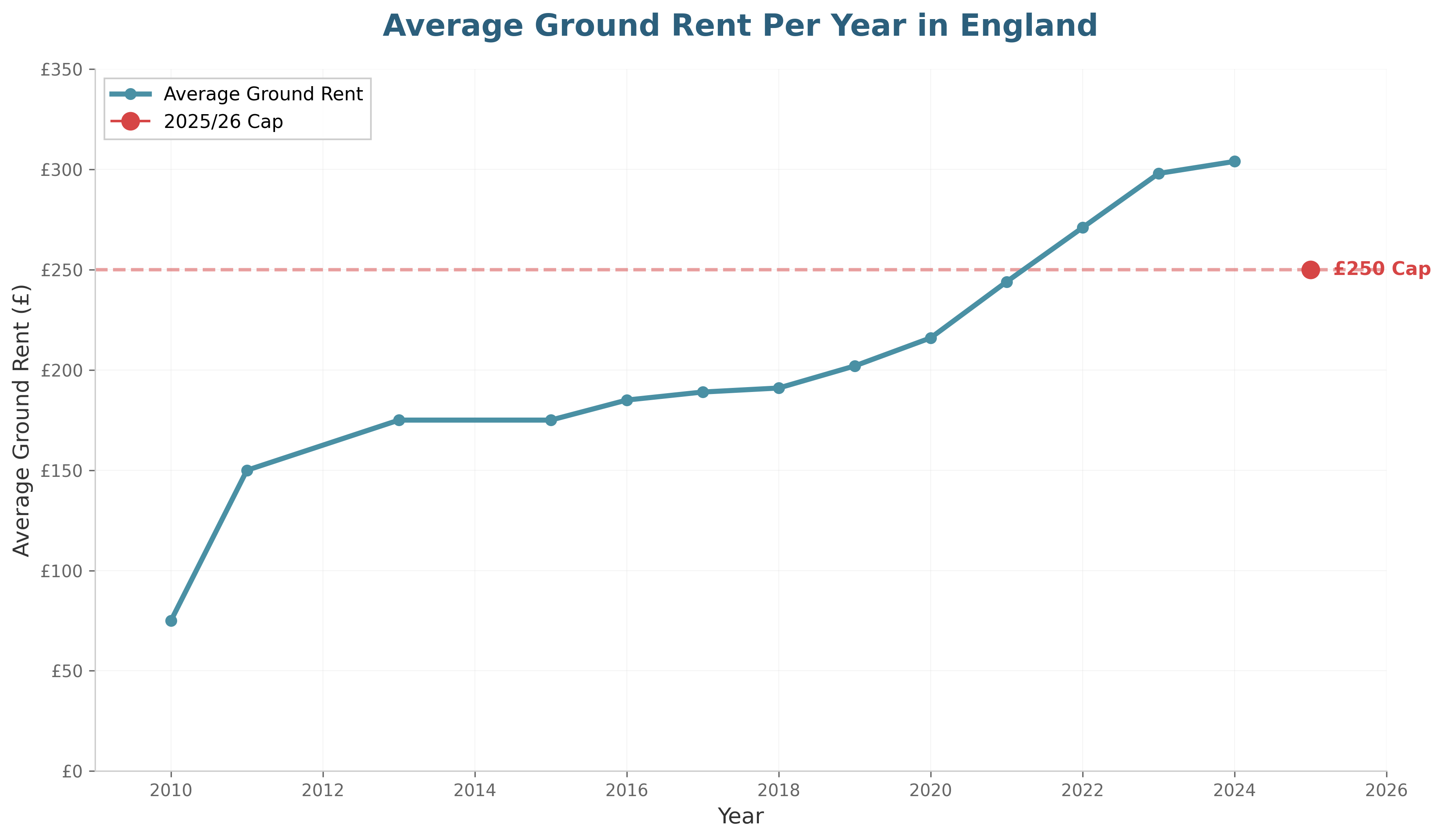
Mean annual costs for leaseholders have risen significantly as modern leases replaced traditional nominal 'peppercorn' agreements. While the 2022 Act abolished ground rent for new leases, existing legacy contracts continue to see increases, prompting the 2026 legislative cap of £250 | Source: Ministry of Housing, Communities & Local Government (MHCLG); English Housing Survey (EHS) Live Table FT2233; and the House of Commons Library Research Briefing on Leasehold Statistics (2025/26)
Mean annual costs for leaseholders have risen significantly as modern leases replaced traditional nominal 'peppercorn' agreements. While the 2022 Act abolished ground rent for new leases, existing legacy contracts continue to see increases, prompting the 2026 legislative cap of £250 | Source: Ministry of Housing, Communities & Local Government (MHCLG); English Housing Survey (EHS) Live Table FT2233; and the House of Commons Library Research Briefing on Leasehold Statistics (2025/26)
This has created a sense of caution among local residents and buyers.
According to Hillier, buyers have become more analytical and hesitant, he claims the market has been "spooked" by decades of negative press surrounding leasehold properties.
“The bigger issue that we see is with lenders, because a lender will look at a high ground rent and see that as high risk. So buyers won't be able to remortgage or a buyer going into somewhere won't be able to actually purchase it.”


House getting sold | Photo by Gabriel Dela Cruz
House getting sold | Photo by Gabriel Dela Cruz
The government is facing backlash from both leaseholders who are frustrated that the move to peppercorn rates will take 40 years and from the Residential Freehold Association (RFA) who claim the cap is a wholly unjustified interference with property rights.
A spokesperson for the RFA, the trade body representing professional freeholders, said the rent cap could have an impact on the UK’s reputation.
They said: “The inclusion of a ground rent cap in the draft bill represents a wholly unjustified interference with existing property rights which if enacted, would seriously damage investor confidence in the UK housing market and send a dangerous and unprecedented signal to the wider institutional investment sector.”
Despite potential legal opposition from institutional investors, Hillier believes the reform is unlikely to be upheld. “You might get some lawfare where the freeholders and investors try to raise a legal case to block it but I don’t think it will get pushed back. They’ll get it thorough, it's got too much press”
The Bill also proposes the abolition of forfeiture. Currently, freeholders can seize a property if a leaseholder defaults on a debt of over £350 or payments have been outstanding for 3 years. The new legislation will replace this with different enforcement.
While forfeiture is currently legally possible, Hillier has never experienced it. “Whether people are giving their keys back or not I don’t really know that. I’ve not experienced [it] myself”
He believes the bigger issue in Bournemouth is properties with “low leases”.
“People that have leases below 80 years have phenomenal costs to renew them. Say for example, I've got a leasehold that's run down from 99 years and it's now at 75. I can add another 100 years to that, but that's going to cost thousands of pounds. We see some low leases, that are closer to 50 and the costs are unimaginable, £50,000, £80,000."

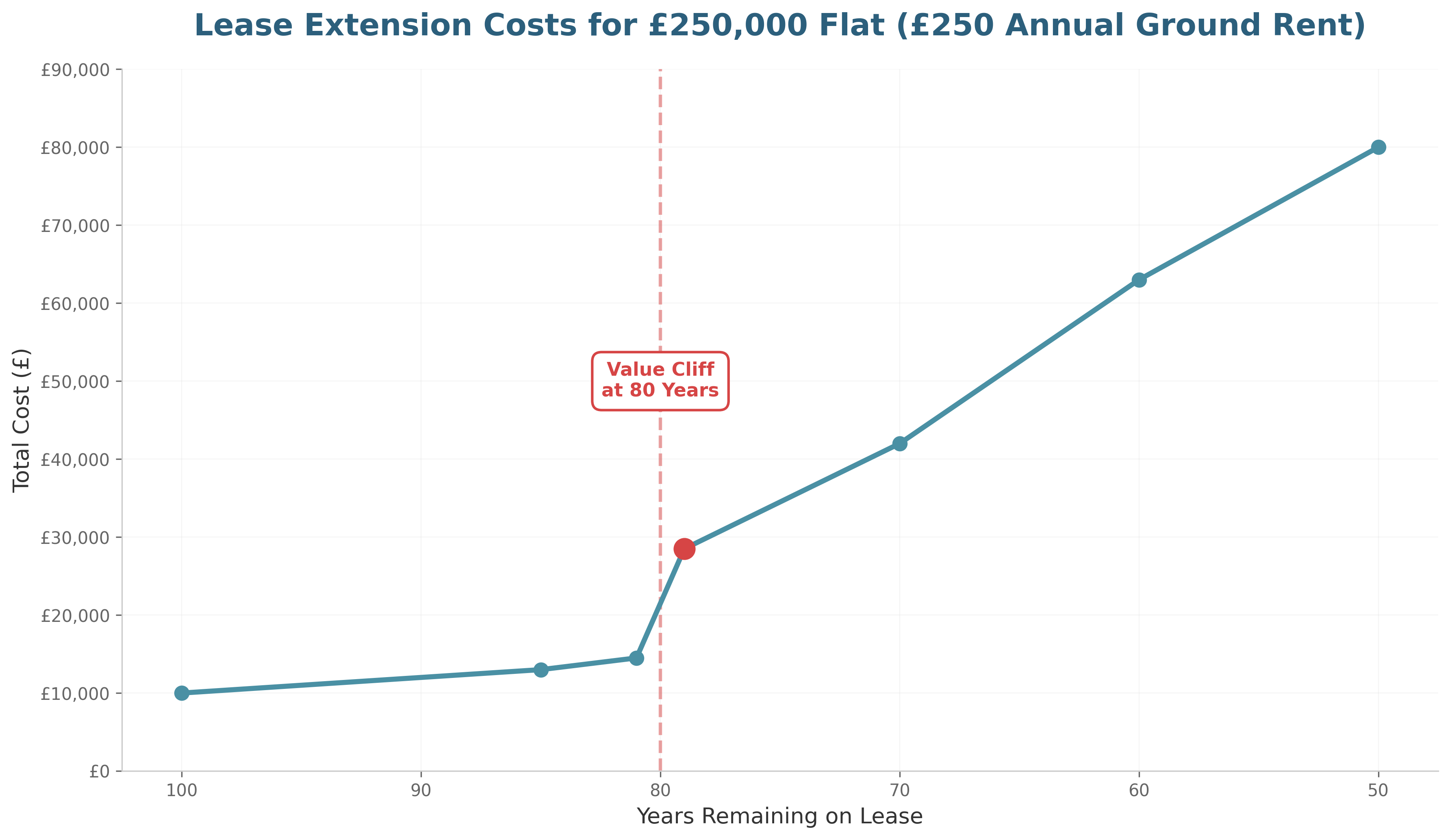
The 80-year "cliff edge" is the most expensive turning point for any leaseholder. Once a lease drops to 79 years, the law currently triggers Marriage Value, requiring the owner to share 50% of the property's potential value increase with the freeholder. For a typical £250,000 flat, this can instantly add over £14,000 to the cost of an extension. | Sources: Leasehold Reform, Housing and Urban Development Act 1993, The Leasehold Advisory Service (LEASE), Homehold (2026),
The 80-year "cliff edge" is the most expensive turning point for any leaseholder. Once a lease drops to 79 years, the law currently triggers Marriage Value, requiring the owner to share 50% of the property's potential value increase with the freeholder. For a typical £250,000 flat, this can instantly add over £14,000 to the cost of an extension. | Sources: Leasehold Reform, Housing and Urban Development Act 1993, The Leasehold Advisory Service (LEASE), Homehold (2026),
The ultimate goal of the Bill is to move the UK toward commonhold agreements for leased buildings. A system in which residents have shared ownership of the land and greater control of the building.
“Commonhold will basically be a form of shared freehold. There’s a very low number [of them] in the UK, something silly like 12 or 15 commonholds currently.” Hillier explains.
The government wants to bring about the end of lease agreements, but for residents paying £550 a year for the dirt beneath their flats, the end of the system feels a long way off.
As Hillier puts it, “it should have happened years ago”, and while it is positive that something is changing, “it’s going to take time.”
 Built with Shorthand