
Are the young people priced out of the plate?
How the cost of living crisis is reshaping what we eat
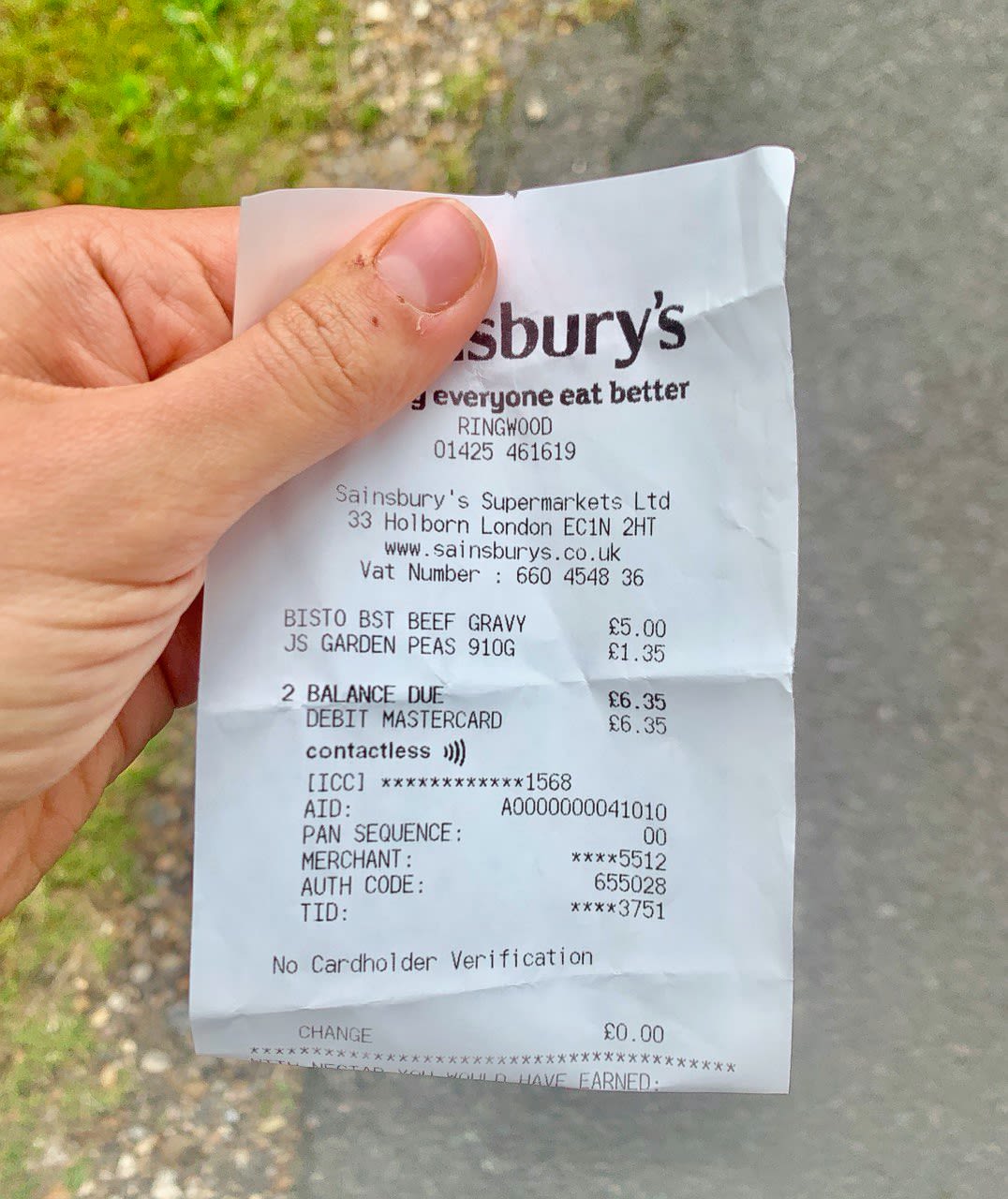

At 19, Ben Davies is an award-winning bartender, who crafts cocktails behind the bar at The Ivy in Bournemouth, a restaurant often associated with luxury dining and special occasions.
Ben Davies in his element, making a cocktail (Credit : Julia Apte)
Ben Davies in his element, making a cocktail (Credit : Julia Apte)
But he says the conversations he overhears from young customers have changed. “People are much more careful now,” he explains.
Ben is not alone in noticing the shift. Across the UK, young people are increasingly being forced to rethink how and even whether they can afford to eat properly.
Statistics say...
Rising food prices, rent, and energy bills have placed disproportionate pressure on under-25s, many of whom are juggling education, low-paid work, or unstable housing.
A recent parliamentary report into the cost-of-living crisis found that young people are among the groups most vulnerable to food insecurity, with many cutting back on meals altogether.
Source: ONS, Public opinions and social trends, Great Britain: household finances, 18 December 2025
Youth organisations have also warned that food poverty is becoming a hidden but growing issue, particularly for students and young workers who do not qualify for additional financial support. For many, the solution has been cheap, quick food, often ultra-processed and lacking nutritional value.


Burger and chips, one of the most popular fast-foods in the UK (Credit: Iryna Melnykova)
Fast-food on the rise
A new report from youth charity Bite Back highlights the rapid growth of the UK’s most popular fast-food chains over the last decade.
Outlets from brands like Burger King, Costa Coffee, Domino’s, Greggs, KFC, McDonald’s, Nando’s, Pret a Manger, Starbucks, and Subway have increased by 59% across England, Scotland, and Wales between 2014 and 2024.
The study also found that nearly 1,000 more schools now have one of these outlets within 400 metres, affecting 14.2% of all schools in Great Britain, and that chains such as Subway, Greggs, McDonald’s, KFC, and Pret are particularly concentrated in the most deprived areas, underlining how accessibility and convenience are shaping the daily food choices of young people.
Cheap, quick and convinient food is becoming a go to for young people.


A student shopping in the crisps isle (Credit : Iryna Melnykova)
A student shopping in the crisps isle (Credit : Iryna Melnykova)

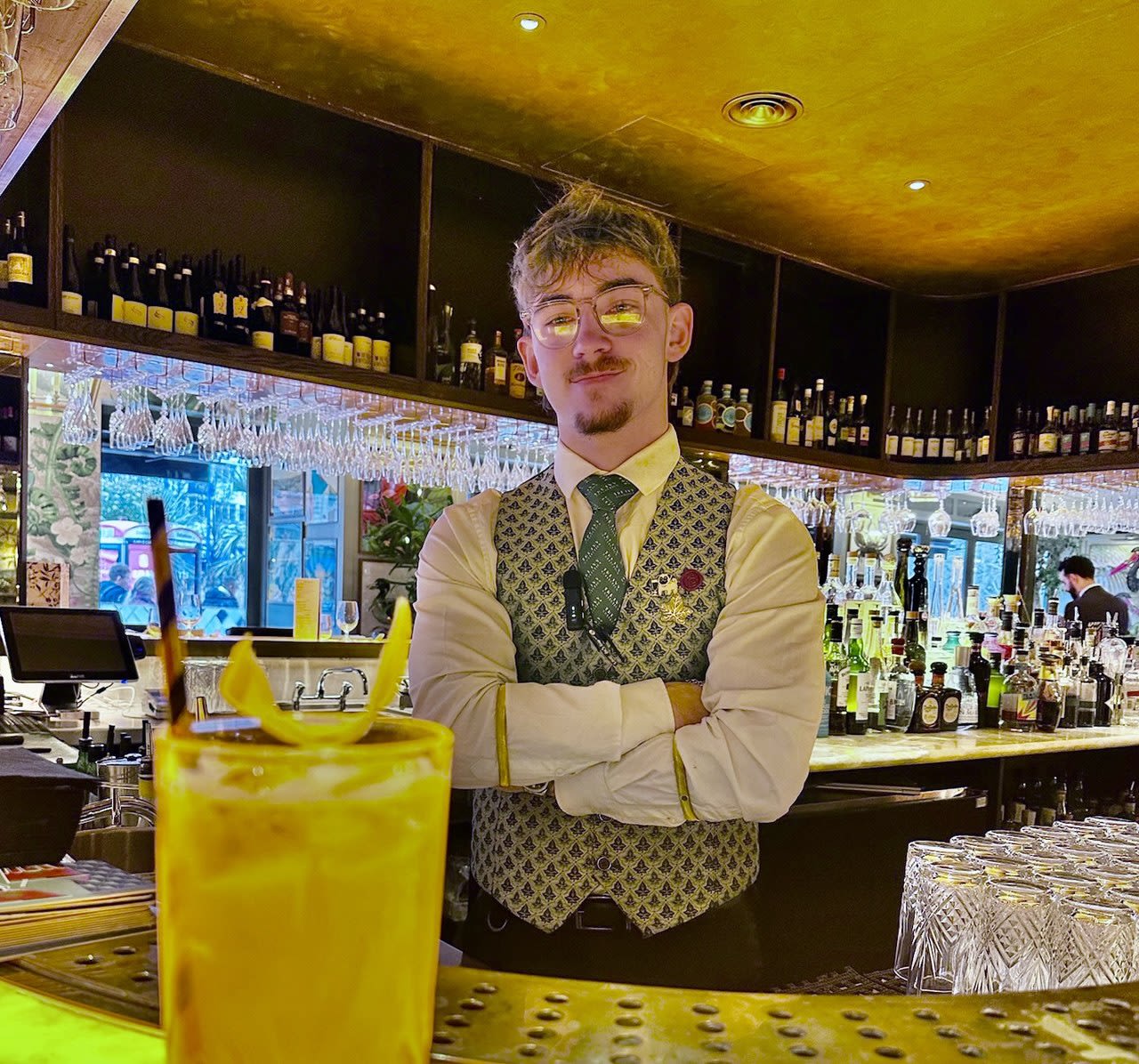
Ben Davies, Bartender at The Ivy Bournemouth Brasserie, Ivy Icons 2025 winner (Credit: Julia Apte)
Ben Davies, Bartender at The Ivy Bournemouth Brasserie, Ivy Icons 2025 winner (Credit: Julia Apte)
Rethinking Eating Out
Data from Barclays indicates that Gen Z consumers are becoming more selective about spending, prioritising value and experiences that feel worthwhile.
Rather than cutting out social dining completely, many are opting for set menus, discounts, or fewer but more intentional outings. This shift is something hospitality venues are increasingly aware of.
At The Ivy, affordability has become part of the conversation. The restaurant now offers set menus and app-based rewards aimed at broadening its appeal.
Ben says the aim is to make high-quality food and drink feel more accessible.
Ben, who began working in hospitality as a teenager, says affordability has become a key conversation in restaurants, too.
“Places like The Ivy get a reputation for being only for the top end,” he says.
“But we’re trying to break that mould.” The restaurant has introduced discounted set menus and loyalty schemes aimed at making dining more accessible, an effort Ben believes is necessary if hospitality venues want to remain relevant to younger audiences.
Looking ahead
Are the young people priced out of the plate? The answer to this question is complex.
Across the UK, rising food costs, growing fast-food accessibility, and the demands of daily life are prompting innovation, whether through home cooking, careful budgeting, or seeking out affordable yet nutritious options.
Initiatives across Dorset are being implemented now to provide young people with access to good quality food.
While support services and community initiatives remain vital, young people like Ben Davies, are actively finding ways to make food work for them turning challenges into opportunities and demonstrating that even in a shifting economic landscape, resourcefulness and adaptability can make all the difference.
 Built with Shorthand