
The silent consequences of brain injuries in combat sports
written by Oscar Mulligan
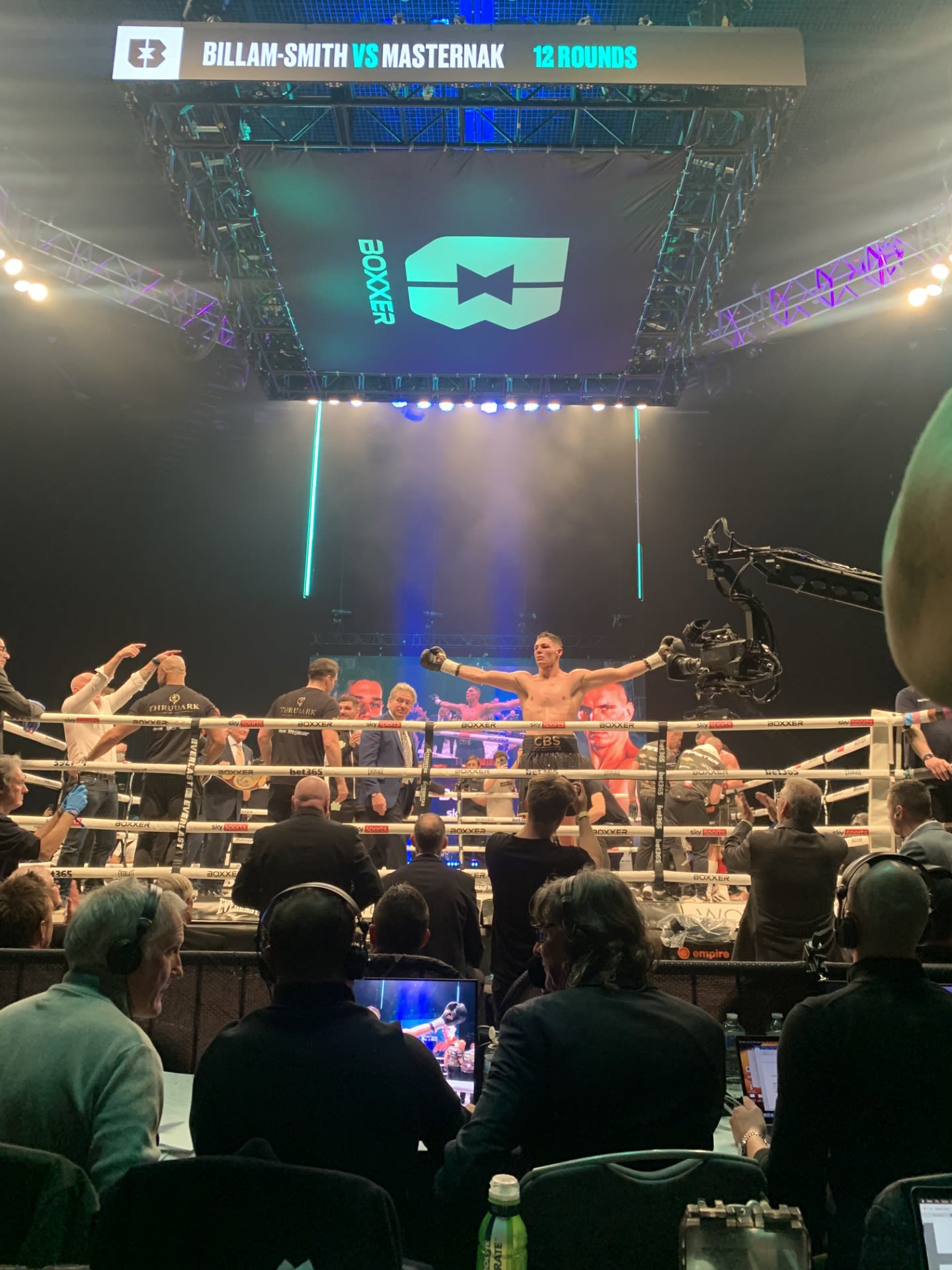

In the world of combat sports, athletes are celebrated for their strength, resilience, and determination. Yet, behind the triumphs, lies a hidden cost.
The impact of brain injuries on mental health.
While physical injuries are often visible, the psychological toll can be far more insidious. Effecting everything from mood and memory to one’s overall quality of life.
We know that brain health is constantly at stake when stepping in the ring or an octagon. But what emotional state do these sort of injuries leave athletes in?
This feature delves into the long-term mental health consequences of brain injuries in combat sports, offering expert opinions as well as real-life experiences from athletes who have lived through it.
Using these insights, we explore the urgent need for greater awareness and support for those fighting not just in the ring, but within their own minds.


Understanding brain injuries in combat sports
Concussions appear to be the most common traumatic brain injury (TBI) within combat sports athletes. If managed appropriately, the symptoms that include dizziness, headaches, and confusion will only last temporarily.
Consultant Neurologist, Dr Dominic Mort, an expert in the field of brain injuries, says:
“Concussion is a type of traumatic brain injury, that in the short-term often affects people’s mental health because it makes them a bit depressed, it makes them underperform, it disturbs their sleep pattern sometimes.
"In the long-term, if there is some actual permanent brain injury (sometimes called CTE), that can lead to long-term depression, mood swings, frustration, and anger due to underperformance and eventually dementia.”
Chronic traumatic encephalopathy (CTE) is being witnessed among more and more combat sports athletes as they enter the twilight of their careers. The degenerative disease is obtained over long periods following repeated concussions and traumatic brain injuries.
CTE can only be detected via a post-mortem examination, so a study by the British Journal of Sports Medicine used a traumatic encephalopathy syndrome (a progressive brain disease) criterion to represent clinical CTE. The results showed 41% (72/176) had TES, predominantly in those who started competing in combat at young ages.
Dr Mort labelled another type of brain injury that could be near fatal. One that some athletes never see coming.
He says: “The worst thing that could happen to a combat sports athlete, normally, is to have a bleed on the brain. There are two types: ones that happen there and then; or one that happens later. And that’s because there’s been a skull fracture, a break in one of the arteries and is not noticed initially and the patient feels fine, but that gradually builds up and they go downhill rapidly.”
For obvious reasons, boxing, mixed martial arts, Muay Thai, and other disciplines contain the highest rate for brain injuries across the complete sporting realm. Repeated blows to the skull, rattling the human brain about, and creating a sense of disorientation is a consistent variable within combat.
“One of the things that are definitely to be avoided is back-to-back concussions,” says Dr Mort. “When people have another concussion within a year of the first, they tend to do worse and that’s where things can go really wrong.”
Sadly, this is a common factor in high level fighters. Due to their professional habits and avoidance of disappointing fans, they are keen to knuckle down and proceed with the task at hand.

The impact of brain injuries on mental health
When the brain has been buckled by an opponent during combat, that alone creates a sense of confusion and anxiousness. Combine that with the unpredictability of mental health, you have a recipe for disaster.
You can’t estimate what internal damage has been done after being punched, kicked, or elbowed in the face. But how do we distinguish between mental health issues and the eventual problems that arise from brain injuries?
Dr Mort says: “If you make someone depressed, they often look like they’re demented. They can underperform in everything across the board. It’s sometimes called pseudodementia and we’ve had to deal with that anyway in neurology for years.”
“If someone’s depressed, it’s quite difficult to judge whether their underperformance on various cognitive tasks is actually because of low mood and they’re not going to perform at the level they would otherwise if they were feeling happier,” he continues.
“[Separating mental health and brain issues] is always going to be [difficult] to be honest. The only thing is that mood changes. Mood may improve with time. Mood may improve with exercise, with personal success, with anti-depressants in some cases. And therefore, if mood is sort of levelled up and you still have a cognitive deficit, then you can feel more confident that that is due to traumatic brain injury.”
Formerly under the MMA promotional banner OKTAGON, Megan Morris retains a first-hand account of her experience as a mixed martial artist, prior to retiring at the raw age of 26. She released an emphatic statement on her Instagram in October with a message that alerted younger fighters to take care of their brain health.

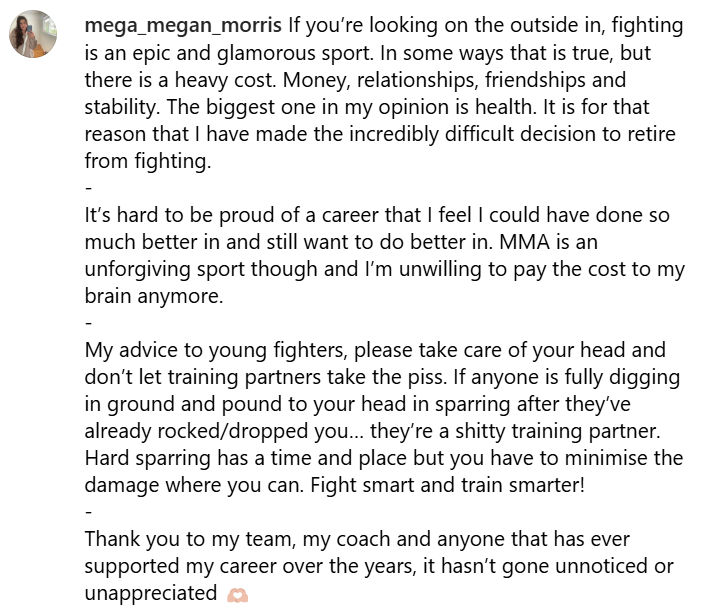
Megan Morris released a retirement statement on her Instagram addressing the importance of brain health | Instagram / @mega_megan_morris
Megan Morris released a retirement statement on her Instagram addressing the importance of brain health | Instagram / @mega_megan_morris
Before just her second professional fight, Morris had a brain scan that flagged up a cyst. She admits her emotions have always been ‘up and down’ with fighting. So adding this alarming news to her established mindset subsequently built on her existing concerns.
Regarding how she coped with the mental health side effects of her brain injuries, Megan says:
“I really struggled to be honest. In my last fight camp, I got quite a bad concussion and that’s when it really hit me when I thought, ‘I don’t actually want to do this fight.’ That almost solidified it before I retired, and I didn’t deal with it well.
“I took a week off training because I had to, I couldn’t do anything without my head killing. I felt really depressed after that. But I just cracked on and went back to training trying to do the best that I could.
"I never found a way to flip it in my head like, ‘it’s okay, these things happen. I really want to continue fighting.’ I never really found a way out of that mindset.
“Getting a concussion from a teammate that could’ve been avoided basically solidified my feelings of retirement. I tried to convince myself that I still want to fight, but deep down I knew I didn’t want to do it.”
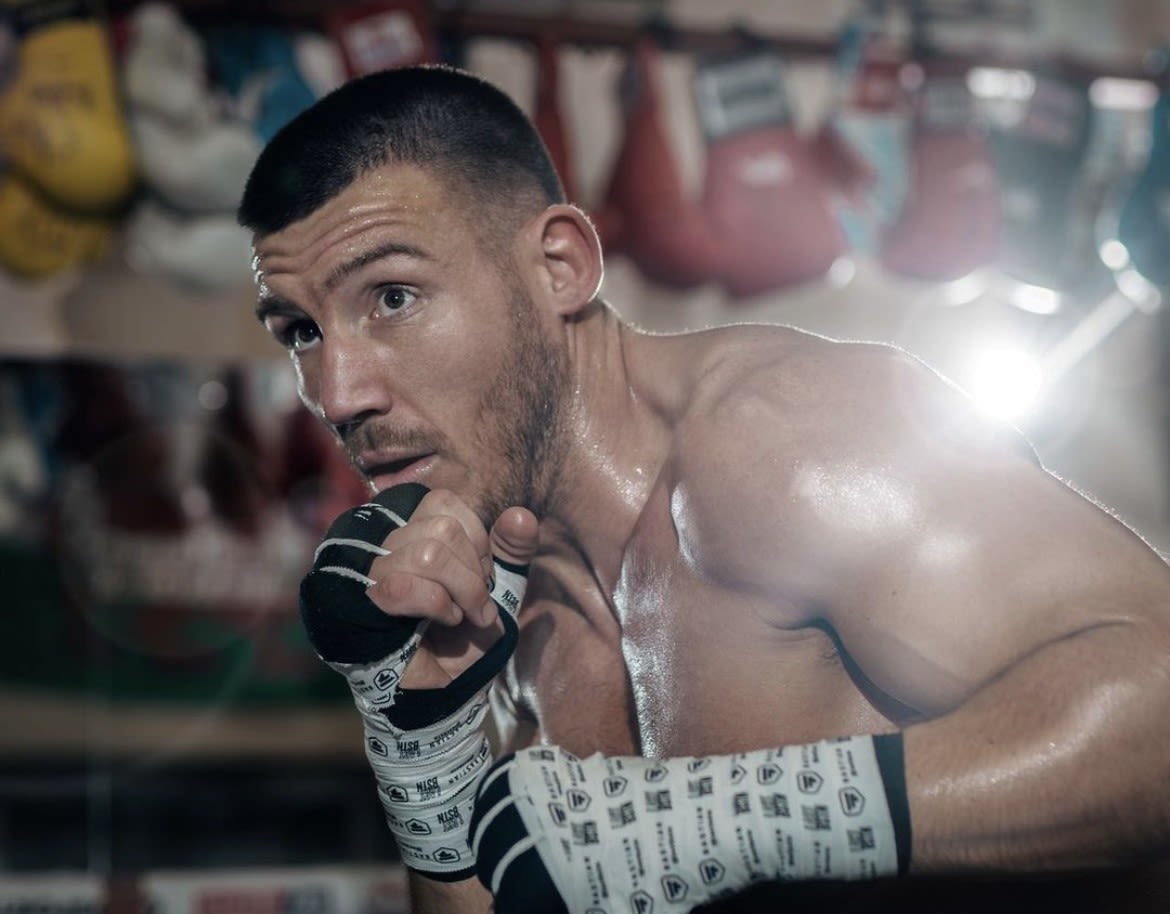
Another athlete who decided to call time on their career in 2024 was Liam Williams – the former British and Commonwealth champion boxer. Although many outlets reported that this came because of too frequent concussions, it was more so the persistent impact on his mental wellbeing.
Liam confirms: “To be honest with you, [my brain injuries] were a difficult one because I’ve had my problems, but I’ve not suffered nowhere near as bad as some people have in the past.
"But the mental and emotional toll, that comes with the sport and, you know, it’s a very lonely sport. You miss a lot of occasions; you miss a lot of birthdays. There’s so many things and as I said it’s a very lonely sport and it has to be that way to reach the top if that’s where you’re going for.”
Training and competing is all athletes know as they blossom throughout their careers. When that gets taken away, they lose track of everything. They feel lost. They lack purpose for a while.
Eventually, they must come to terms with this. In due course, they will adapt, overcome, and find a new specialty to replace their previous talent.


Coach and athlete: a relationship
Within training scenarios, the alertness and wisdom held by coaches is paramount when attempting to keep their pupils safe. Although a trainer’s primary goal is to hand over fighting knowledge, protection should also be at the forefront of their mind.
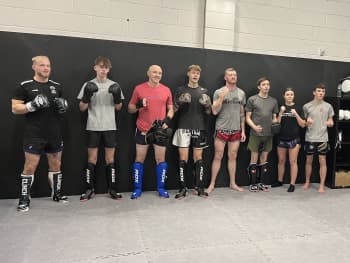
Sam Aplin is a Muay Thai coach who leads classes and one-to-one sessions at Supreme Fitness Centre in Hamworthy. His continual learning of how to coach athletes with disparaging levels of skill has only boosted Aplin’s confidence and capabilities when it comes to his teachings.
Outlining his principles, the 29-year-old said:
“I keep a watchful eye, not pushing people too hard. Make sure they’re resting. Make sure they’re healed. Make sure they’re not taking too much damage. Make sure they know how to defend themselves and that they’re not putting themselves in sketchy situations. That’s your responsibility as a coach – to keep these people safe.
“Everyone’s learning. Not everyone knows all this stuff [that I’m teaching], so you’ve got to try and look out for people.”
Supreme Fitness Centre is discreetly tucked away in Poole, but they continue to make a lot of noise with the talent they have on show. The two-division ONE Championship belt holder, Jonathan Haggerty, for example, held an exciting two-hour seminar with SFC in May.
The veteran owners of Supreme Fitness Centre, Natalie Bee and Jordan Miller, evidently put safety first as Aplin reveals the precautions that are taken when a fighter gets hurt.
“If someone gets knocked out, or takes a really big shot in sparring, or gets a concussion, Jordan [Miller] and Natalie [Bee], put that fighter under a gym ban,” says Aplin.
“This means they can’t train for a few days, and they’ll forbid them from doing any sparring to avoid taking any damage to the head for, say, a month or so.
“So, [the owners] are pretty switched on. They’re both very experienced fighters, been in the game for a while.”
Other clubs and organisations take an opposite approach as it’s all about morals. If a fighter gets injured, how can success be achieved? Some don’t want to wait around for recovery.
Dr Mort puts it best:
“The trouble with all sports organisations, with clubs, is that they really want success, and athletes themselves don’t really like sitting on the sideline. There is quite a lot of momentum within any organisation to get athletes back to competing. And again, the only way you’re going to stop that is to make [recovery] a more open and transparent process.”

Life after fighting
As mentioned, these primed athletes will find their next purpose after retirement. At the beginning, there may be a setback within a martial artist’s mental health, mainly from the absence of participation. Or it could come from other factors, like losing people around you that you thought cared and would be there forever.
Williams depicts his experience after hanging up the gloves because of his brain health:
“To be fair, I’ve dealt with it really well because basically I’ve built myself a gym. Whereas I haven’t given myself anytime to dwell or think about [my brain health]. I’ve just gone from being a boxer to training other people.
“I’m probably, near enough, in the best shape I’ve ever been in. Just doing my own bits of weights and cardio. I’m just in a happy place where I feel free.”
Although the Welshman keeps himself as busy as can be outside of the ring, Williams confessed that the support around him began to fade as soon as he withdrew from the spotlight.
“I think a lot of people get caught up in the hype, who were at the top and think they’re untouchable,” he says.
“But you’re not going to be that guy forever. Who people constantly text you, phone you, want to go out with you for a beer.
"Because, eventually, that’ll stop. And this is why a lot of people get sad when they retire and stuff because you need to realise, as a fighter, from a fighter’s point of view, that we are really just a piece of meat, and you are replaced quite easily.”
It typically takes honesty and a tight circle to formulate a reliable group that can ultimately become your support system.
For Megan, she’s also enjoying life a lot more after exiting the professional mixed martial arts landscape. Since retiring due to worries regarding her brain health, Morris has detected great comfort as concussions are no longer prevalent.
“I’ve benefitted quite positively in that I feel more like myself and in a positive spirit. I don’t constantly feel dull and forgetful and a bit depressed like I did when I was training hard but getting concussed.
"So, I do feel better in that sense. I don’t like the lack of routine, so that was hard to come out of. Like finding a new life and working full-time – that was difficult to deal with – but not impossible. It just takes time.”

What needs to change?
Over the past decade or so, mental health continues to be an emerging factor in our everyday lives. A concept that was merely brushed under the carpet, and arguably still is. Especially in combat sports.
With that being said, the added pressure of sustaining a brain injury can seriously damage people internally. Safety regulations and preventative measures can only be tampered with so much until your changing the rules, which will in turn lose a core audience and numerous participants.
All that we can do is continue to educate.
Morris concedes: “Younger Meg still would’ve been quite ignorant [towards brain injury and mental health awareness]. I knew it was a thing, but I didn’t fully accept it.”
Evidently, there must be a better way to tap into the upcoming fighters, but not daunting enough to instill fear and discourage participation.
Williams reinforces this belief. The fact that, in the 21st century, a professional boxer cannot express their concerns openly is stunning. Though, again, it comes down to that ‘boisterous’ nature of combat where the character of a 'fighter' is perceived to be constant.
“Obviously if there was more awareness of how you feel then you’d say, ‘there you go. That’s what’s up with me.’ But you don’t hear people talking about that," says Liam.
"If you look at social media, if you look at any fighters, they will only show you the happy highlight reel parts of what’s going on.
"Nobody’s going to come out on Instagram, for example, and say, ‘I feel really down and sad, and I can’t put my finger on what it is,’ because, again, that appears weak or maybe not even all there. There definitely could be more information and awareness.”
The impact of brain injuries interferes with a fighter’s mental health, so much so it becomes a reason for retirement. As we’ve uncovered the authentic accounts of fighters, it wasn’t Megan’s brain cyst, nor was it Liam’s repeated concussions that triggered them to retire. It was the psychological baggage that their brain health presented.
Figures like Dr Mort and Sam Aplin continue to keep combat athletes safe. Whether that protection comes via scientific approaches or as moral support through the civic duty of coaching. It doesn’t matter. Everyone is playing a crucial role to boost awareness and educate the younger generations regarding the harsh reality of combat sports.
Help us create a safe space for combat sports athletes to speak openly about their internal issues. Your expectations should be realistic of fighters, they’re normal people as well. This is real life.
 Built with Shorthand