
INVESTIGATION
'The system is broken': the teachers battling to help children with special educational needs
As record numbers leave the profession, educators say the pressures of the job and lack of resources are pushing people away.


"I am going to burn you. I’m going to kill you.”
These are the threats that female teachers at one specialist school for children with special educational needs (SEN) had to endure on a daily basis.
Gabi Barham, a teacher at the school in Bromley, called it “a pure hatred of women.”
On another occasion in a different school, a child was expelled for pushing a staple gun to her head and threatening to shoot her.
Gabi said: “He was like, ‘I'm going to f****** do it’. And I was really petrified, because I thought, I'm going to lose an eye here. He got expelled because of that.”


ATTACKED: Gabi demonstrated how a student threatened her with a staple gun. Photograph: Frankie Crew.
ATTACKED: Gabi demonstrated how a student threatened her with a staple gun. Photograph: Frankie Crew.
She claimed that staff are expected to deal with this behaviour, and that without help from colleagues, this can be very challenging.
“There’s never enough staff if you work with children with SEN,” Gabi explained.
She added: “Sometimes these children can be violent. If they're really dysregulated, they can lash out. There's a lot of sexualised behaviour. Sometimes, with boys touching themselves inappropriately. They're not doing it to try and evoke something in you,
"They're doing it because it's a need of theirs. So sometimes you would have to have two members of staff there to protect both yourself and that student. If there's not two members of staff, you're putting yourself in a very difficult position.”
Experienced colleagues like Gabi may be able to cope with the behaviour because they’ve been working with it for years, but with a teaching exodus fuelling staff shortages across the board, schools have been forced to lower their expectations for new employees.
Gabi’s school has hired teaching assistants as young as 17, with no experience of working in a school of any sort, let alone in a specialist setting.
“You can't expect those young girls to see that or try and facilitate that behaviour” Gabi admitted.
Despite all of the challenges, she’s proud of her role. One of her students has memorised the track lists of every Now That’s What I Call Music album, another has taught himself Japanese.
She said: “These kids are clever. They just need an outlet to go to and when you work with these kids, it makes you feel very lucky that there are schools like mine where these kids can go and thrive and be prepared for the future.”
'Teachers feel trapped"
Nonetheless, record numbers of teachers are leaving state-funded education in England. 43,500 teachers left the profession in just one year in 2022/23, equivalent to more than 9% of the workforce. Figures also show that less than 70% of early-career teachers are still in the profession after five years.
According to the National Education Union (NEU), this was driven by pay-cuts and "sky-high workloads". Teachers were awarded a 5.5% pay rise this year and the Department for Education has recently announced that another 2.8% rise would be appropriate for 2025-26, despite the "challenging financial backdrop".
"The curriculum is not fit for purpose"
Gill Howarth, a retired special needs coordinator (SENCO) and assistant head, said: “Teachers feel trapped because of the overwhelming-ness of the whole thing. There's so much wrong with it. The whole thing needs unpacking and starting again. The whole education system.”
She added: “I’m coming up to my 60th birthday, there's no way I would have had the stamina to work even two days a week [in a modern classroom]. It’s exhausting – it just takes over your life. If you’ve got your own family, they really suffer. Teachers put their school first.”
THE FUTURE: What are some of the possible solutions to the SEND crisis? Audio by Frankie Crew. Music by Vladimir Sheshnev from Pixabay.
Gill felt that the curriculum is too strict to accommodate different styles and paces of learning and that this ostracises children with SEN and puts pressure on teachers to achieve results.
She said: “The curriculum is not fit for purpose. Teachers feel as if they are straightjacketed into delivering a curriculum that isn't necessarily relevant to the children in front of them. I don't think it's tailored to the workforce we should be developing. I think we're still delivering a Victorian curriculum for the children to go into factories.”


RETHINK: Gill said that the whole education system needed changing. Photograph: Gill Howarth.
RETHINK: Gill said that the whole education system needed changing. Photograph: Gill Howarth.
Gill explained that the pressure on teachers to follow a strict timetable for covering the curriculum meant that some children get left behind.
She said: "The teacher doesn’t have time to revisit topics and make sure every child has understood it. Failure in those early years affects how you learn for the rest of your life. That contributes to the number of children on the special needs register because we ask them to do things far too early and far too advanced.”
A recent study by Durham University found that ‘on average in 2018–19, students with SEND were performing almost 2 years behind in writing skills, 1.7 years behind in maths skills, and 1.5 years behind in reading skills compared to their typical peers’. Earlier research found that more integrated learning can improve both the educational quality and social inclusion of pupils with SEN.
One of the key dilemmas of the current education system is what level of integration of children with and without SEN is the right balance.
Gill said: “I totally believe in integration of children – whatever their need. We should be able to accommodate really every learning ability and disability in the mainstream classroom. If we had small enough class sizes when the children were really young, we could overcome a lot of these problems.”
Children "more emotionally vulnerable than ever"
The number of children with SEN and requiring education, health and care plans (EHCPs) in England has risen continuously over the last ten years. Some teachers feel that the lockdown period during the pandemic had a big impact on these figures.
Gill said: “Children are much more emotionally vulnerable than they ever used to be when I first started teaching. Lockdown opened a whole can of worms. It's also developed a whole generation of children who don't communicate as well.
"A lot of those children were born when you wore face masks, so they're not used to reading facial expressions. They're not used to working together in groups. We couldn't let them collaborate for nearly two years. It had a big impact in lots of ways. I think we will still be feeling the impact of it for many years to come.”
The pandemic also meant that children were spending a lot more time with their parents and suddenly became largely dependent on them for education. Gill explained that lots of parents found it very frustrating trying to teach their children and began to understand what their teachers had been trying to tell them for years.
She also believes that parental attitudes towards teachers have been transformed over the years: “A teacher is always in the wrong now, and they didn't used to be. When I was a child, if I went home and said I've been in trouble, my mother would have told me off too. These days, parents side with their children.”
"Financially unsustainable" system
Annabelle, who agreed to be interviewed on the condition that she does not provide her surname, is a special educational needs coordinator (SENCO) at a mainstream state school in the West Midlands. She claimed that the system of caring for children with SEN is “complete and utter rubbish”.
A recent report by the National Audit Office (NAO) found that the current SEN system is “financially unsustainable” without reform. Councils are responsible for funding assistance in mainstream schools, but with several under pressure to cut budgets to avoid bankruptcy, teachers say that there isn’t enough money for resources to help these children.
“There’s no work-life balance. Record numbers are leaving because the life that they’re living is not sustainable."
Annabelle’s school teaches 140 students on the special needs register, equivalent to around 10% of the pupils. A proportion that has become increasingly common in English schools. Often, she will have to put one teaching assistant in a classroom of 23 children with an EHCP in order to make sure their requirements are covered. But with the staff she has available to support these students, in her words, it “simply does not add up.”
Annabelle added: “They’re not giving councils enough money to get anywhere near covering the needs of students.”
She’s particularly frustrated by the varying levels of funding dependent on the location of the school: “It’s a bit of a postcode lottery with who gets an EHCP and they keep chopping and changing the rules. There’s not a level playing field.”

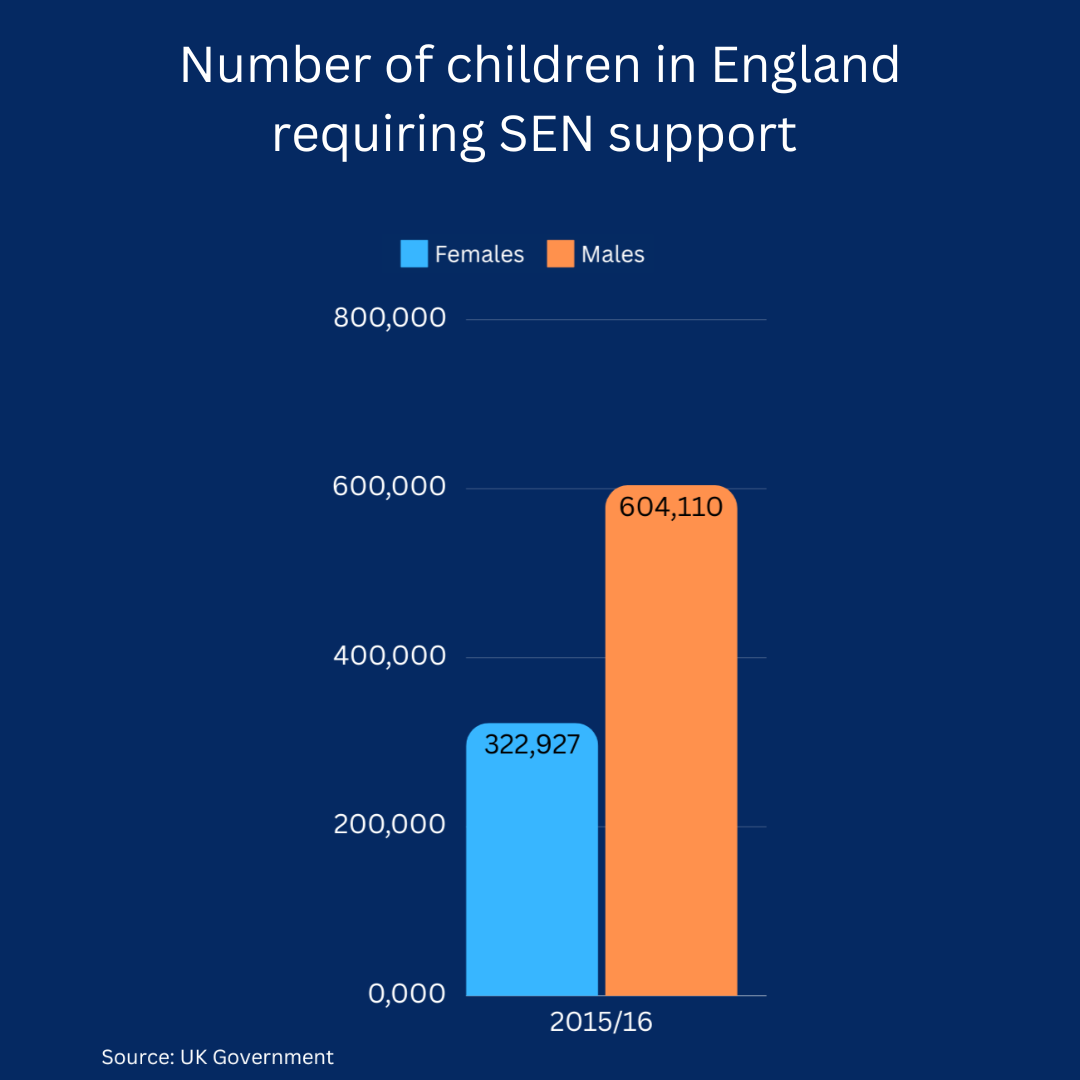
RISING: The number of children requiring SEN help. Graph: Frankie Crew.
RISING: The number of children requiring SEN help. Graph: Frankie Crew.
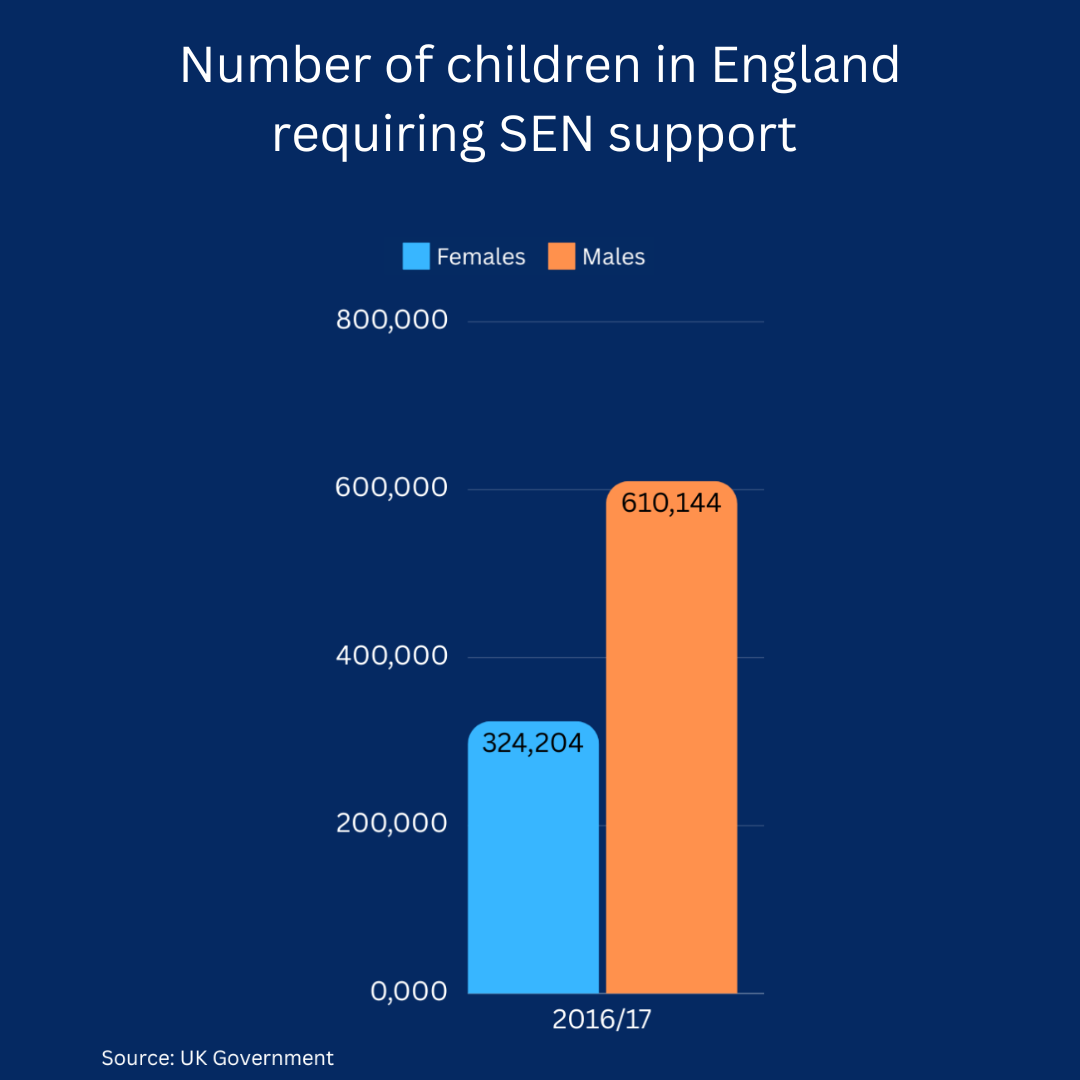
RISING: The number of children requiring SEN help. Graph: Frankie Crew.
RISING: The number of children requiring SEN help. Graph: Frankie Crew.
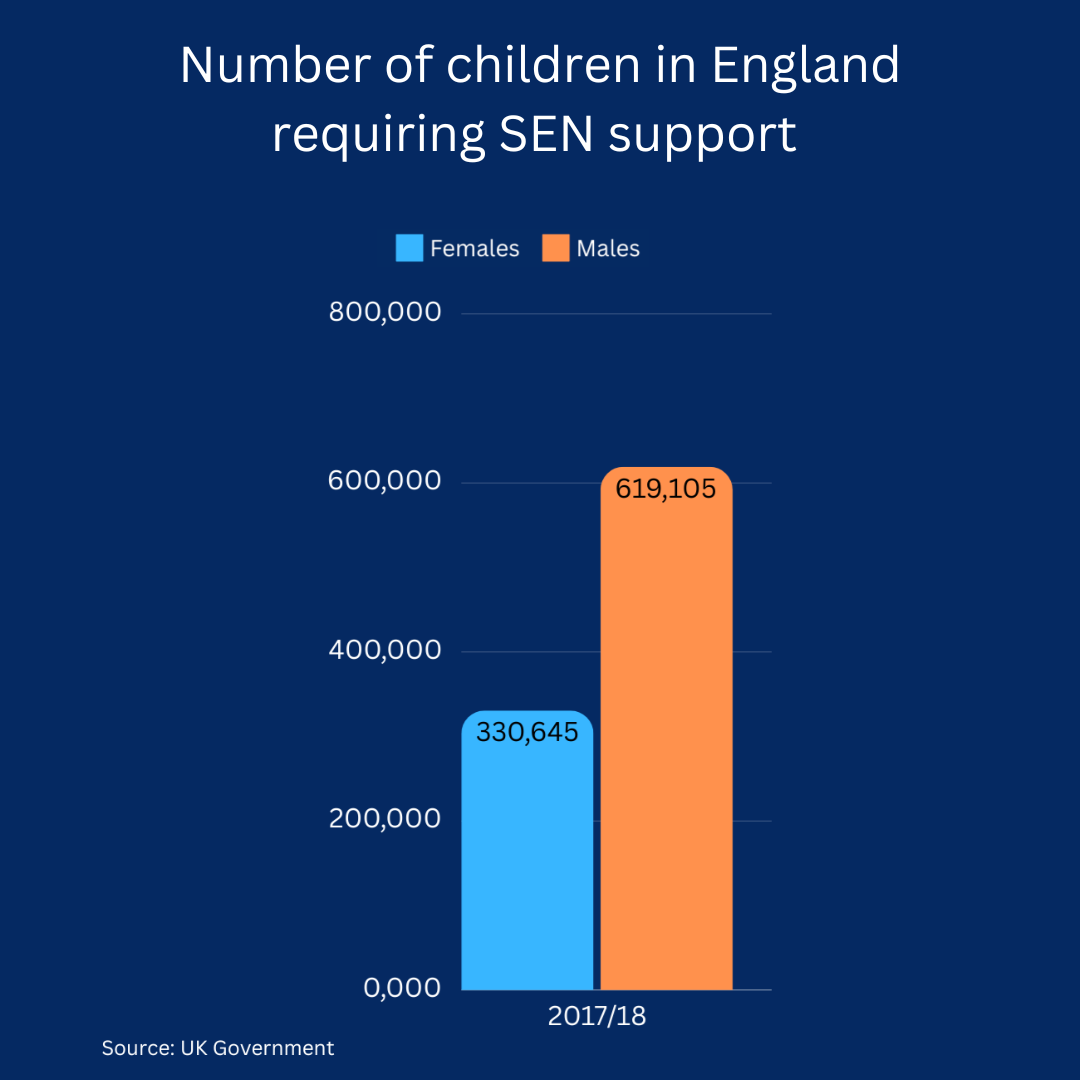
RISING: The number of children requiring SEN help. Graph: Frankie Crew.
RISING: The number of children requiring SEN help. Graph: Frankie Crew.
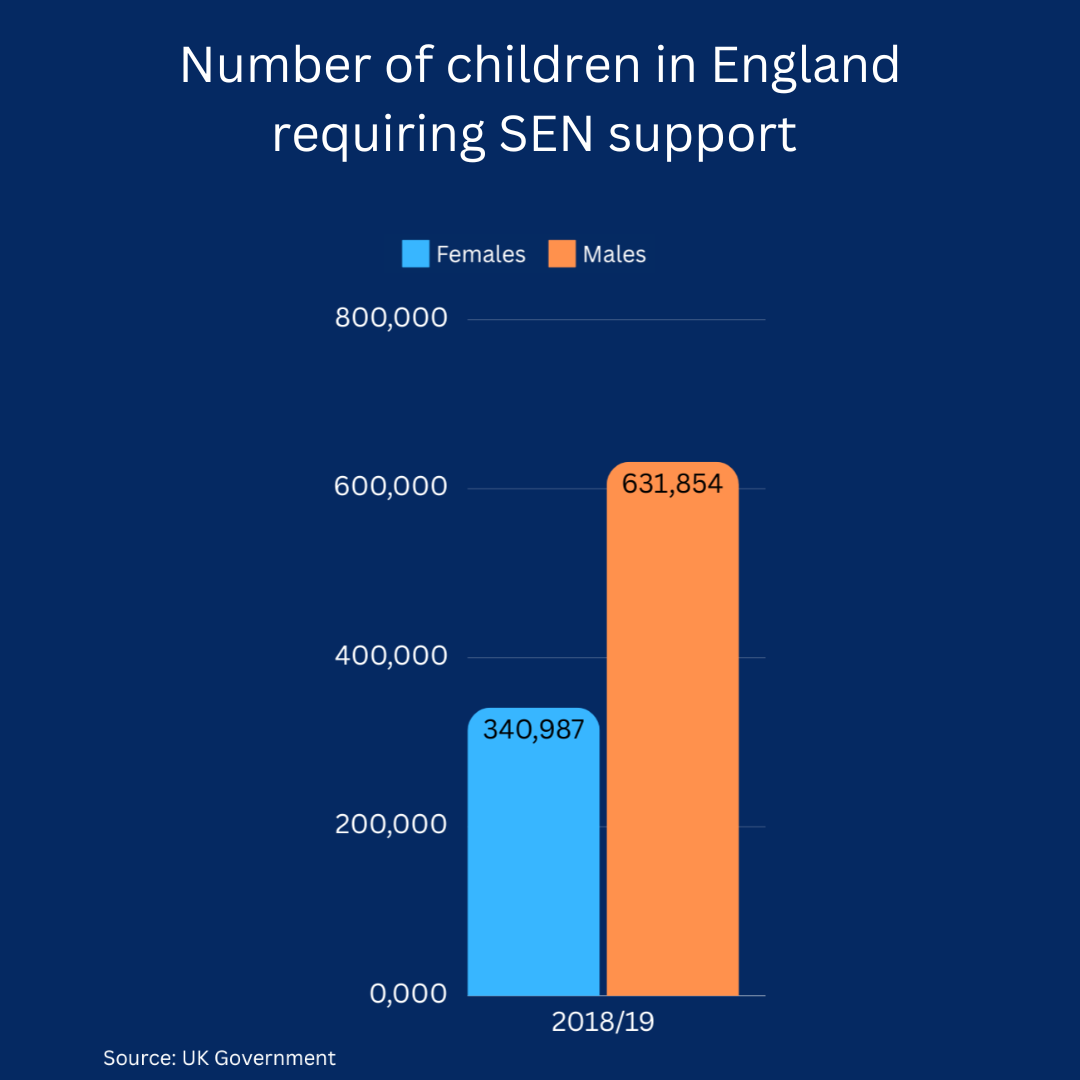
RISING: The number of children requiring SEN help. Graph: Frankie Crew.
RISING: The number of children requiring SEN help. Graph: Frankie Crew.
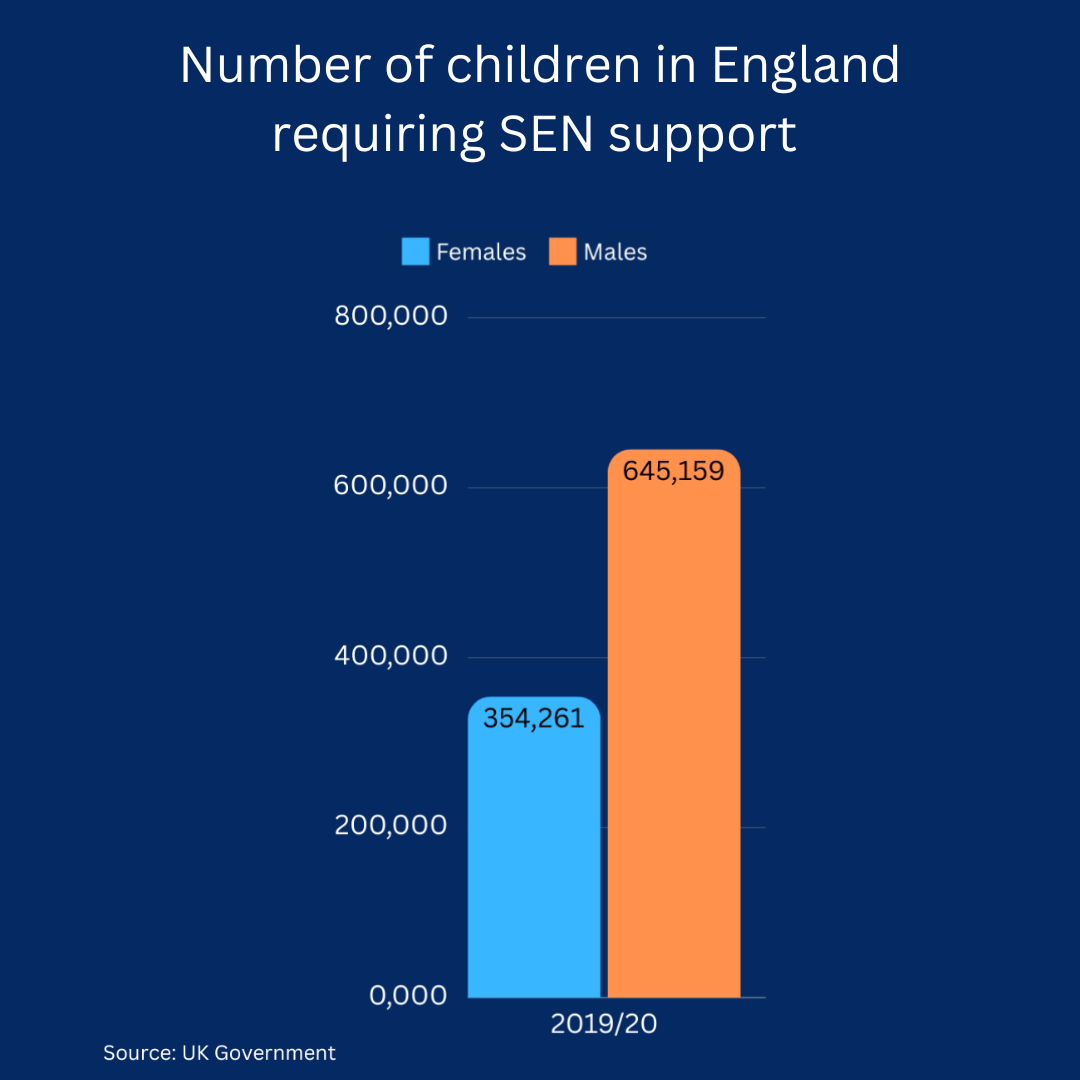
RISING: The number of children requiring SEN help. Graph: Frankie Crew.
RISING: The number of children requiring SEN help. Graph: Frankie Crew.
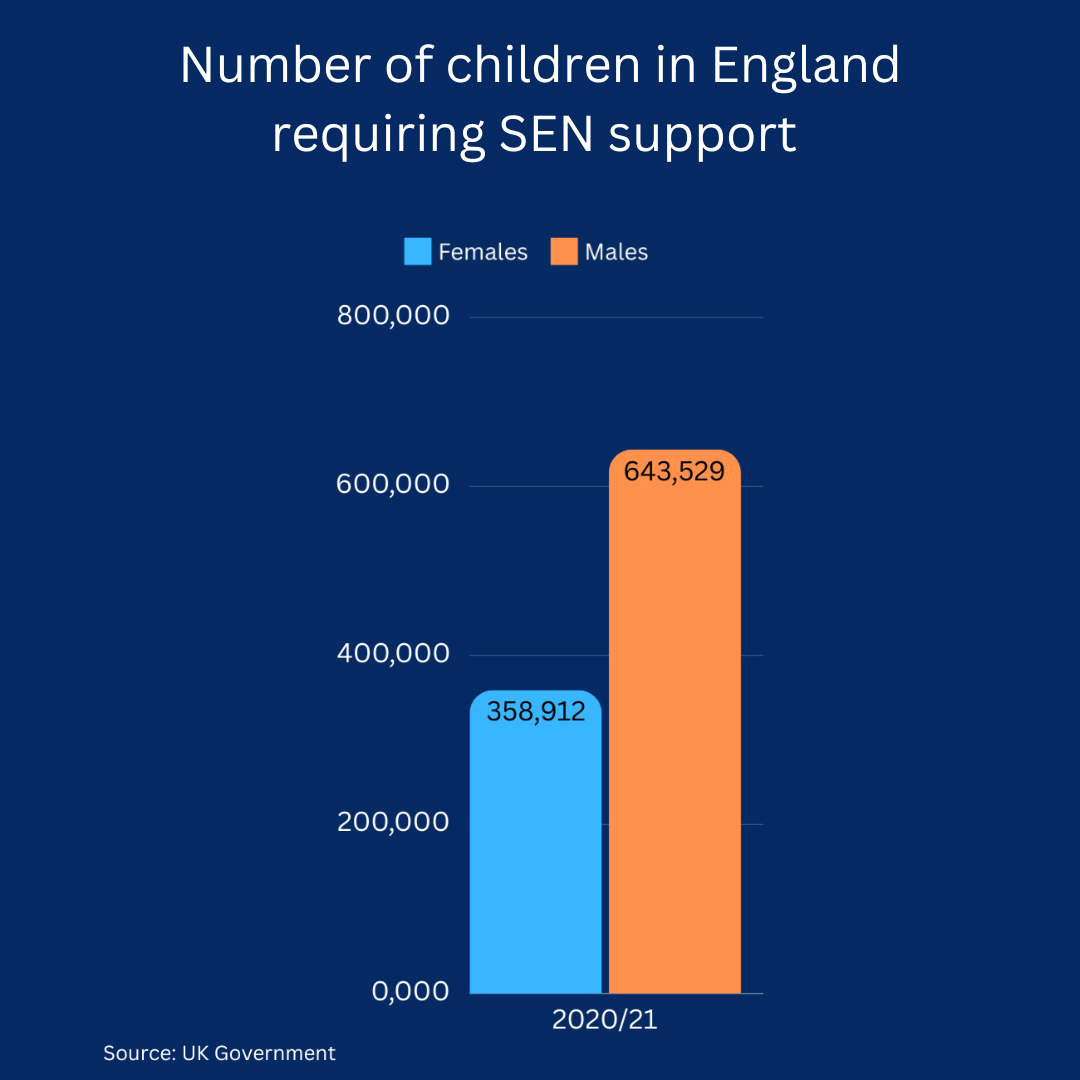
RISING: The number of children requiring SEN help. Graph: Frankie Crew.
RISING: The number of children requiring SEN help. Graph: Frankie Crew.
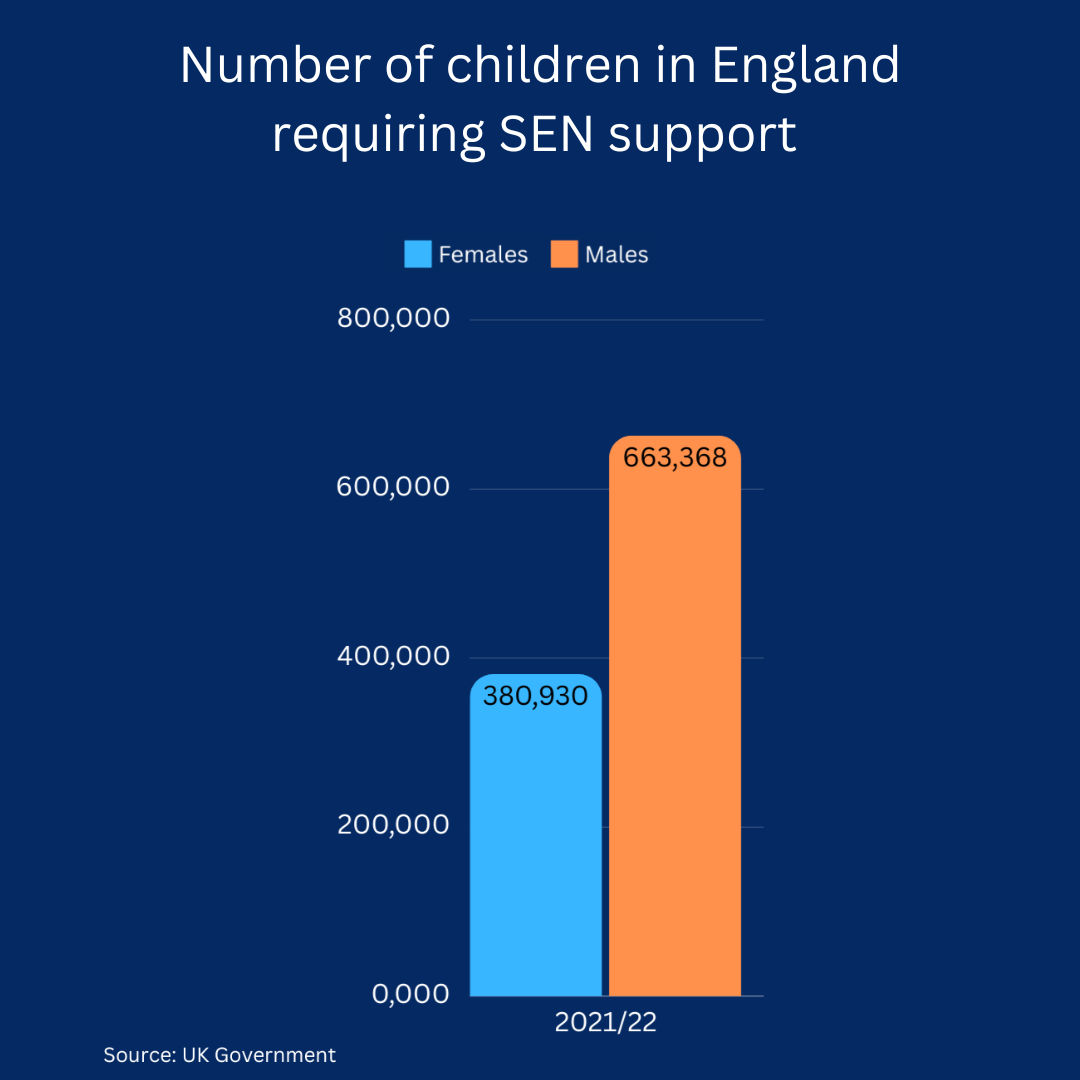
RISING: The number of children requiring SEN help. Graph: Frankie Crew.
RISING: The number of children requiring SEN help. Graph: Frankie Crew.
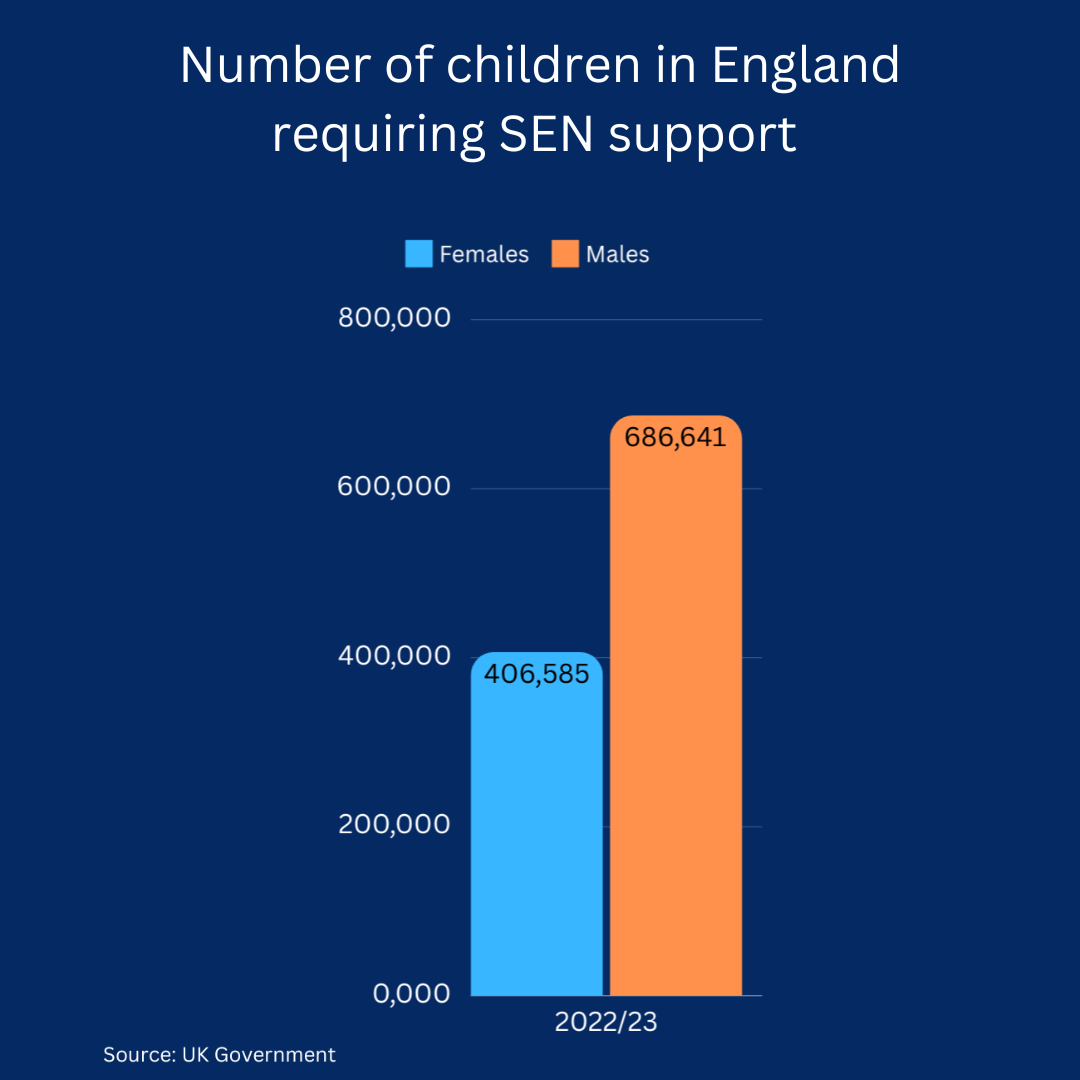
RISING: The number of children requiring SEN help. Graph: Frankie Crew.
RISING: The number of children requiring SEN help. Graph: Frankie Crew.
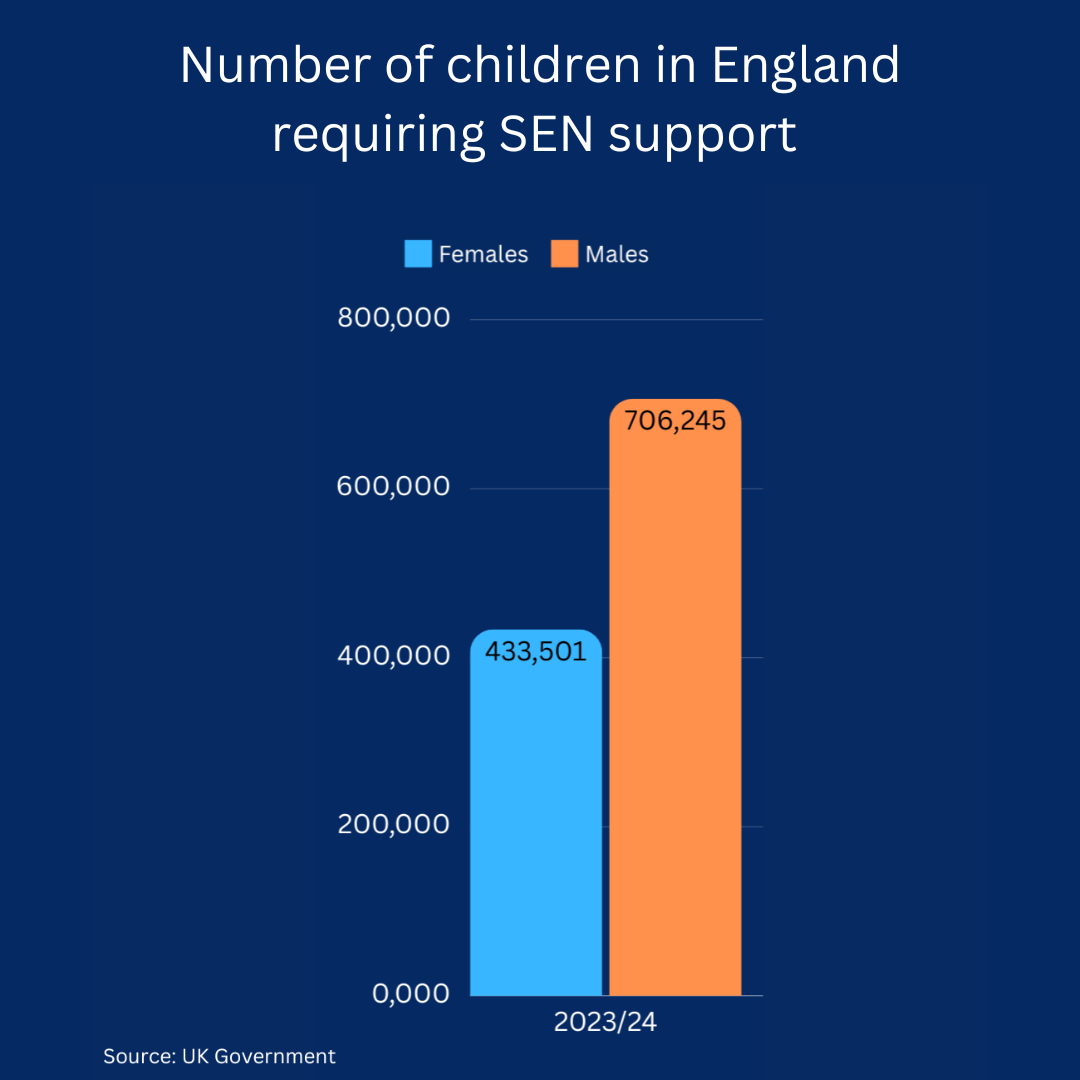
RISING: The number of children requiring SEN help. Graph: Frankie Crew.
RISING: The number of children requiring SEN help. Graph: Frankie Crew.
Annabelle described how the health of a local authority’s finances can affect her job. In September last year, Birmingham City Council declared itself bankrupt and will have to make £300mn in savings.
She said: “The Black Country, in general, is a deprived area. It’s old factory towns and there’s some major social deprivation in and around us and that isn’t being met because the council hasn’t got the money to do it,"
"I taught at another school in another local authority and the school had a quarter of a million pounds in pupil premium money because it was quite a deprived area. We don’t get anything like that here – about £40,000 a year.”
An estimated 1.9mn children in England are believed to have SEN, and the number requiring an EHCP has increased by 140% over the last ten years. There can also be a wild variation in the number of EHCPs that are completed on time, depending on geography. For example, only 1% of children completed an EHCP assessment within the statutory period of 20 weeks in Essex this March. Overall, almost 50% of children waited longer than the expected period.
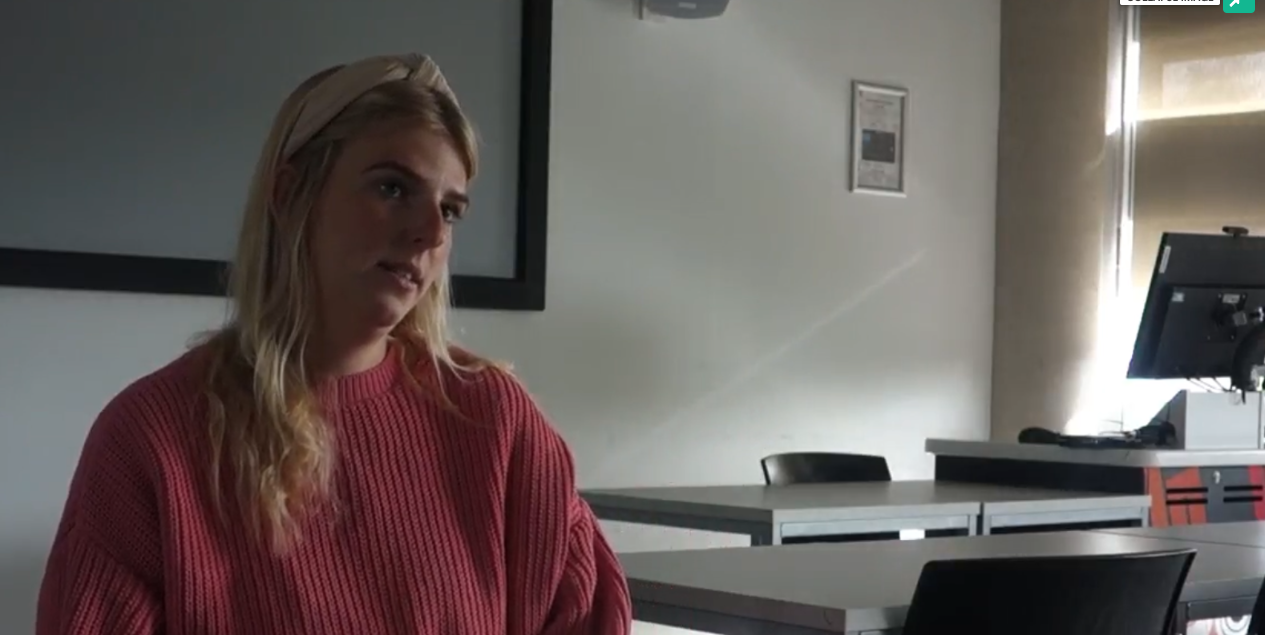
LEFT BEHIND: Camilla, a parent who has been forced to homeschool her son with ADHD, said that she feels abandoned by the system. Video: Frankie Crew.
Meanwhile, both Gill and Annabelle said that it has become standard practice for teachers to spend their own money on children’s resources because the school doesn’t provide enough funding.
Annabelle said that the workload is pushing people away: “There’s no work-life balance. Record numbers are leaving because the life that they’re living is not sustainable. When do you get time to take a rest? Do nice things? Eat? Go on holiday? I've got staff next week that are not going on holiday so they can catch up with their marking. Which other profession does that?
“You'll find many teachers that say 'well I've never had depression. I've never had a breakdown. I've never had anxiety' because in the end all you're thinking about is ‘what’s best for the kids?’"
However, she added: "If you can't do what you really want to do with them because of your mental state, your tiredness, the lack of funding, the lack of resources, it's bound to get people down.”
Specialist schools not equipped to take more pupils
Jessica Bulezuik is a teacher in a specialist school in Wiltshire. Although she’s happy with her working conditions, she is aware of the difficulties that those in mainstream face.
She said: “It’s not uncommon for mainstream teachers to leave and go to ‘special ed’ and their career to be extended because they find it easier. The workload is not manageable in mainstream teaching.”
Jessica has four teaching assistants in her classroom of eight children, with a fifth on the way. She explained that the children at her school already have EHCPs, which come with funding to help their needs and that she is allowed much more time to go through topics thoroughly and then revisit them at a later date.
"We’ve almost exhausted all the staff options where we live”
Jessica added that mainstream schools are struggling to cope with the number of children they need to care for and that they use exclusions to get attention from the relevant authorities, “but it’s not great for families, it’s not great for the children, and it doesn’t look great on the school either.”
Although mainstream education settings are overwhelmed, she doesn’t feel that specialist settings are equipped enough to increase their pupils. The mass exodus of teachers from the profession is leaving staffing gaps that schools are finding difficult to plug - in both mainstream and specialist sectors.
“We’re always being asked to take more children. We have staff shortages in the whole school. I live in a small town so really, you’ve either already worked at my school, or you’re working at the school. We’ve almost exhausted all the staff options where we live” Jessica explained.
She thinks that in the long-term, smaller class sizes and integrated learning can form part of the answer to the problems. But right now, Jessica believes money needs to be invested in helping children with SEN in mainstream schools.

"There is no magic money tree"
The government expects the number of students with SEN to double over the next decade, but spending on special educational needs support in English schools has already reached a record £10bn high.
Furthermore, the NAO report stated that The Department for Education is uncertain about what capacity should be planned for and how spending should be allocated to meet future needs.
The Department for Education was approached about this investigation, but declined to comment. The government has announced a £1bn budget increase for high needs support, part of a £2.3bn rise to cover teachers wage growth and other costs. Education Secretary, Bridget Phillipson, has also asked schools to move away from the “tunnel vision” on exam results as a mark of school success – and to focus instead on mental health of students.
But in a statement released earlier this year, Dr Patrick Roach, General Secretary of NASUWT said: “Teachers in the UK are experiencing dystopian levels of workload and work-related stress. Schools cannot function without teachers, and children cannot thrive without the care and expertise of their teachers, yet we face having too few teachers left."

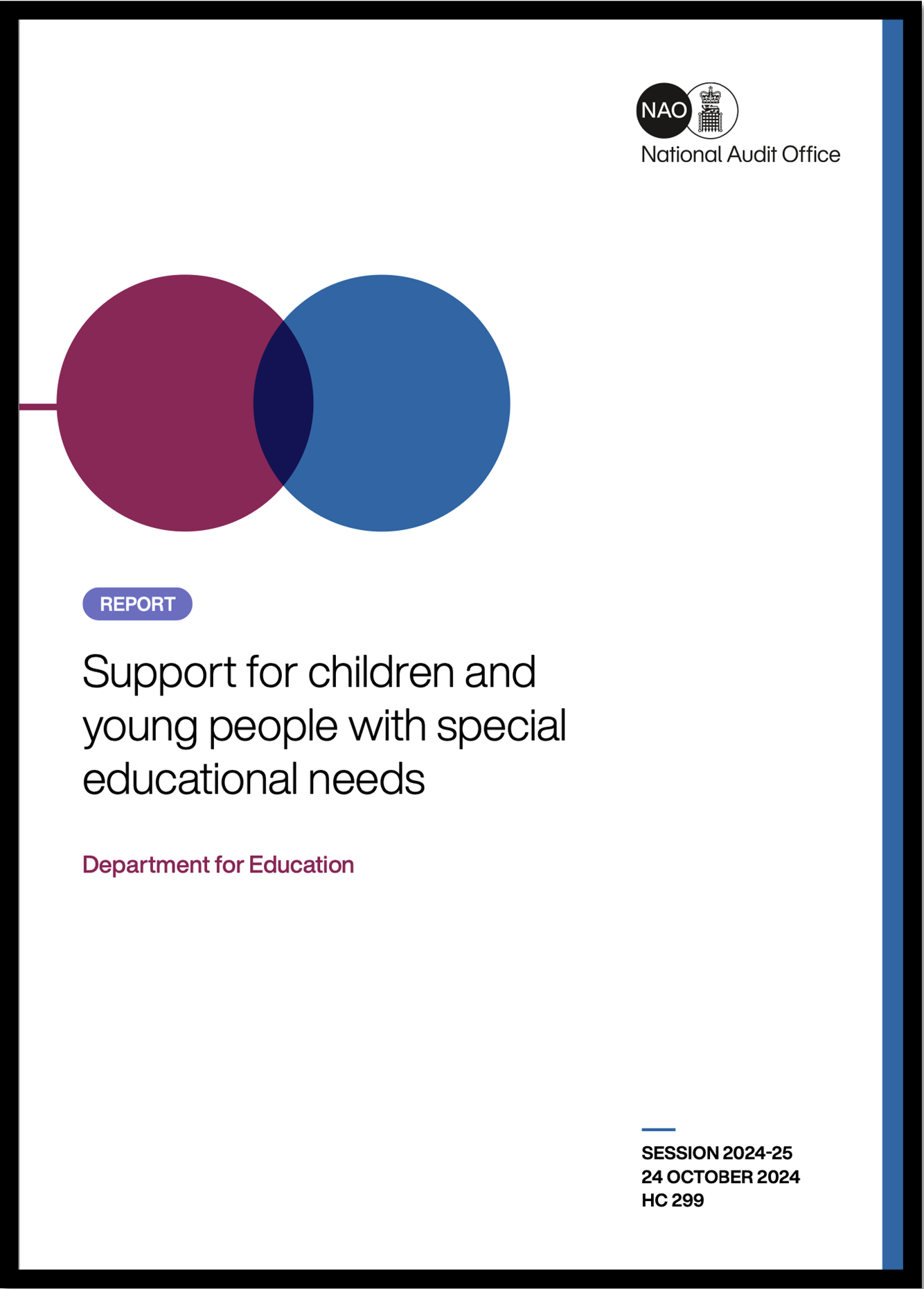
DAMNING: The NAO report said the current system is 'financially unsustainable' without reform. Image: National Audit Office.
DAMNING: The NAO report said the current system is 'financially unsustainable' without reform. Image: National Audit Office.
The educators featured in this investigation were similarly divided on ways to improve the current system. Almost everybody had a different answer; from hiring more teaching assistants to focusing investment on new equipment to lessen the load on staff.
They were also unconvinced that there was a ‘magic money tree’ of investment ready to spend. Many local authorities are looking to cut back on expenditure – some even to avoid bankruptcy. At a time when the problems faced by teachers and the pressure to provide solutions are mounting, what is the light at the end of the tunnel that motivates them to carry on?
For many, it’s because they need the pay cheque, and there’s no reasonable means of exiting. For others, it’s closer to a moral duty.
Retired SENCO, Gill Howarth, explained where that drive originates: “Despite everything, at the end of the day, when it’s going well and you’ve got that class of children in front of you that want to be there, that want to learn, that are getting better at something because of something you’re doing, it’s magic. There’ll always be people who want to do it.”
 Built with Shorthand