



This article contains details some people may find upsetting
TW: Transphobia, Transphobic Comments, Descriptions of Torture
Alice was just six years old when her parents tried to cure her. This was 1949, when nobody used the word 'transgender'. Gender-questioning people were instead referred to as ‘transvestites’, ‘deviants’, threats to children - and as a parent, that concerned Alice’s mother greatly.
Raised as a boy, Alice was caught one afternoon wearing her sister’s clothes: “My mother told me, 'you can put your toys away, and do the housework in those clothes. Your little sister is a girl. You are a boy.”
It was only a few days later when Alice’s mother took her to Putney Hospital, where was subjected to a corrective procedure called aversion therapy, the same method traditionally used to 'cure' gay and lesbian patients.
“I was six, so it's a bit vague, but I do remember bits and pieces. I was put into a dress, and I was confused what was happening. I thought they were changing me into a girl, and I thought 'this will be a process I'll quite like'. The doctors put me into a tub and heated it up. I was given a liquid that I remember being really salty, and after a few minutes it made me nauseous. My mother held the showerhead over me, and the nurse turned the dials so the shower was constantly changing between hot and cold. There was a mirror opposite the bathtub so I could see myself. I started being sick as the nurses turned the taps, so I was being sick at my own image.
“My mother said ‘if you persist with this silly girl talk, you will live on bread and water, you will be put in a home and you will never see your parents again. Of course, at six years old you believe that, so I kept it [my gender] a secret for my entire life."

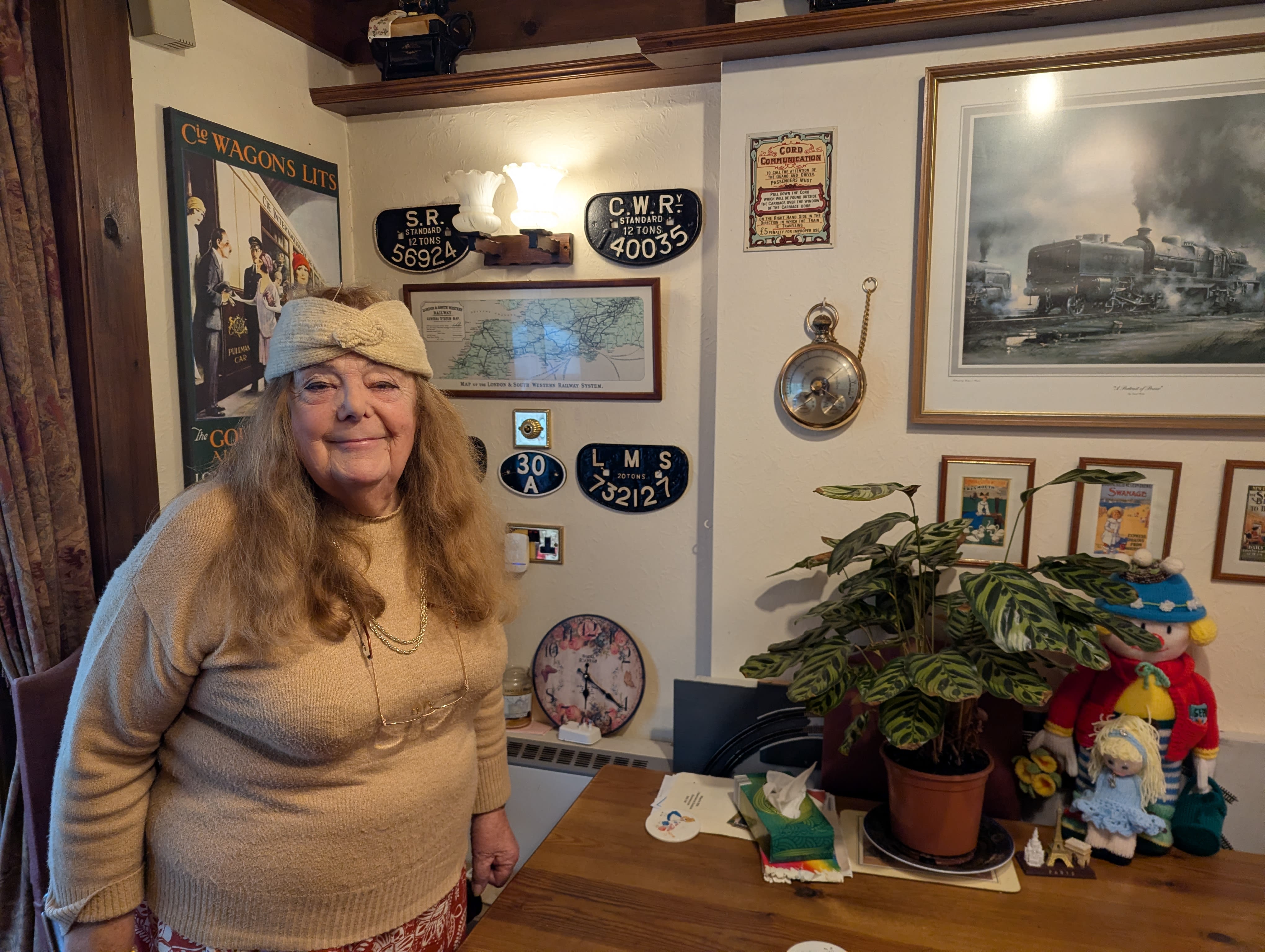
Alice, a trans survivor of conversion therapy (Photo credit: Lewis Eyre)
Alice, a trans survivor of conversion therapy (Photo credit: Lewis Eyre)
Alice breaks down in tears. This is the first time she has ever told this story to anybody outside of her close friendship group. She steps away to the sideboard where she keeps photos from Christmas Day 1955. They show Alice with her sister, Margaret.
Wherever Alice went as a child, she would keep a stash of women’s clothing nearby: “There was a barn by the rugby court near our house, and after school I would run to that barn and spend all my evenings as Alice.” Margaret would sometimes let Alice wear her clothes, and the two sisters would walk down Croydon High Street together in dresses.
“You can still kind of pass as a girl at 12 because you have no beard and your voice is still high. Four boys went past, giving me funny looks. One of them said, ‘we’ve got one here’, and the boys laid into me. I got quite badly beaten, which is why my nose is misshapen now. I had to have my nose cut. The doctors said I could have an operation, but they said it could easily go wrong, so I never had it.”
Alice stayed hidden for 40 years, surrounded by hatred and invalidation. Even Alice’s wife told her that if she dressed as a woman at home, they would have to get divorced. In 1989, she attended one of the first ever gender identity clinics based in London. At the time, transgender women had to live and work for two years in their gender to be legally recognised as a woman. This clinic only had one doctor.
“The last time I went, the doctor told me to come dressed as a woman. Well, if a man dressed as a woman in 1989, they could get arrested, so the doctor suggested I go by train and hide in the toilets. Trains don’t have gendered toilets. He told me to be careful with my route. He said, ‘if you deviate via Birmingham and get caught dressed as a woman, that’s you, isn’t it?’
The years passed. Alice had children, then grandchildren, but for the whole time she felt stuck in the wrong body: "When I looked in the mirror, I could see Alice was inside, but there was nothing I could do about it."
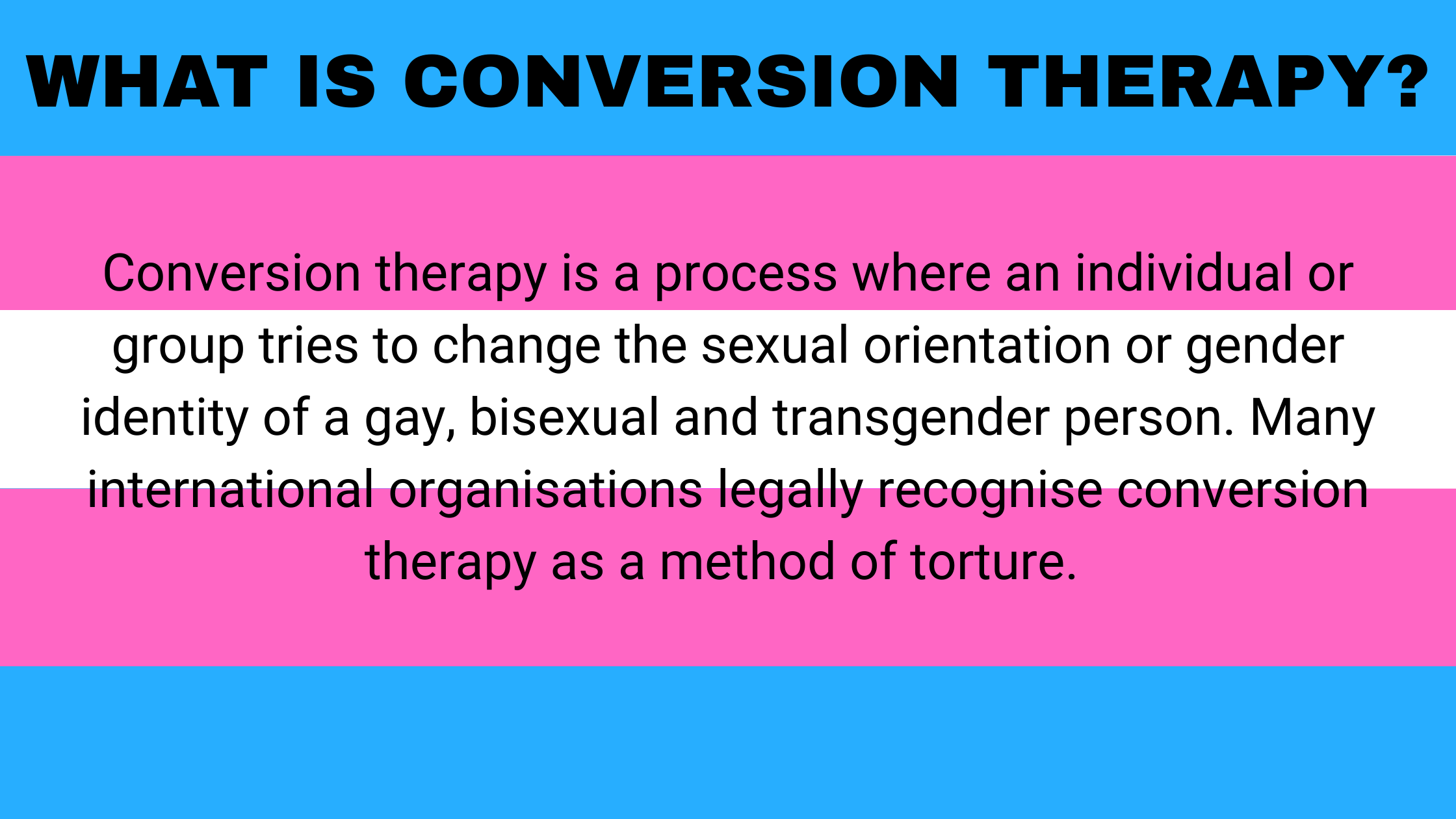
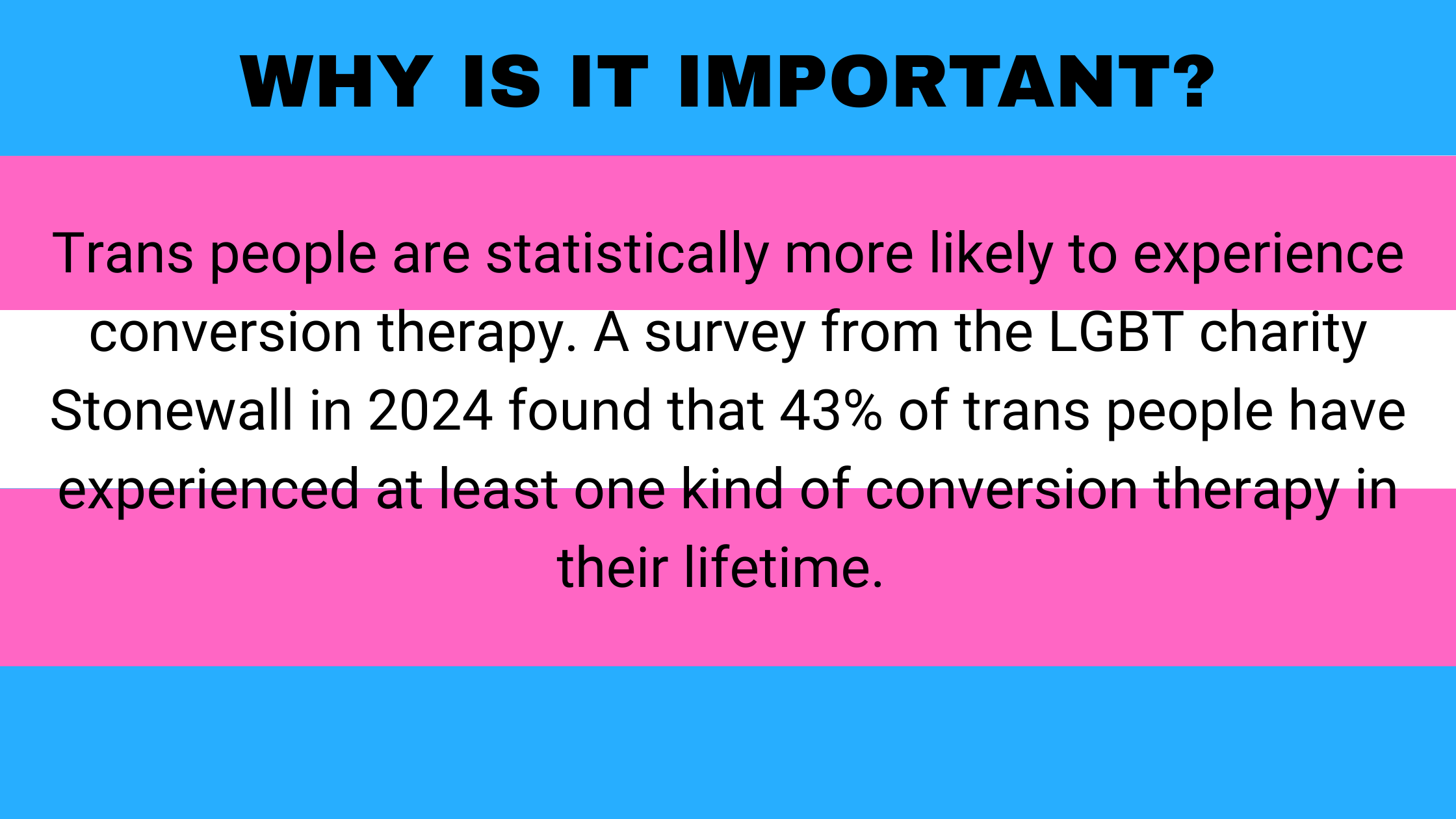
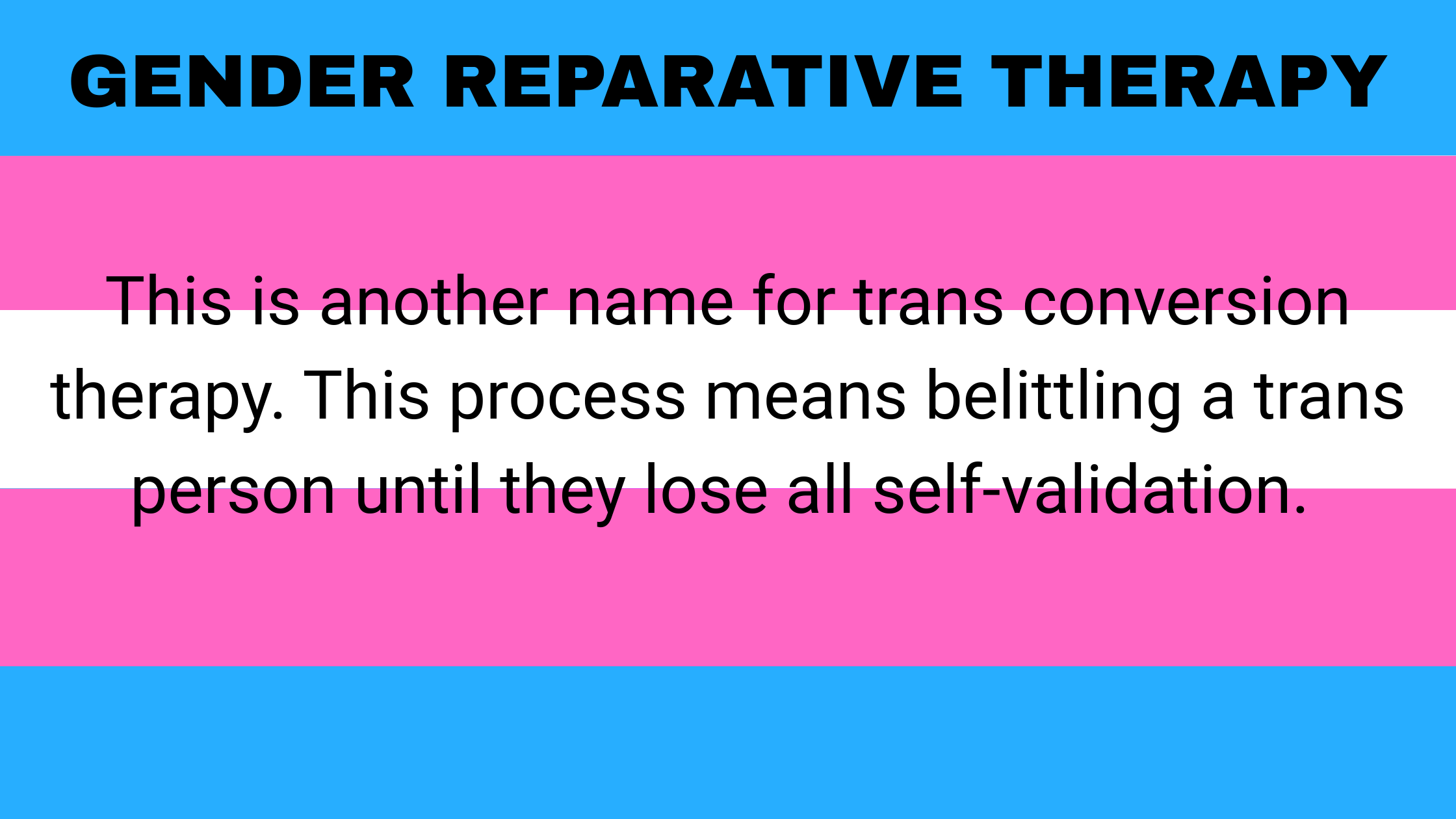
At the time of writing, all kinds of conversion therapy are still legal in the UK.

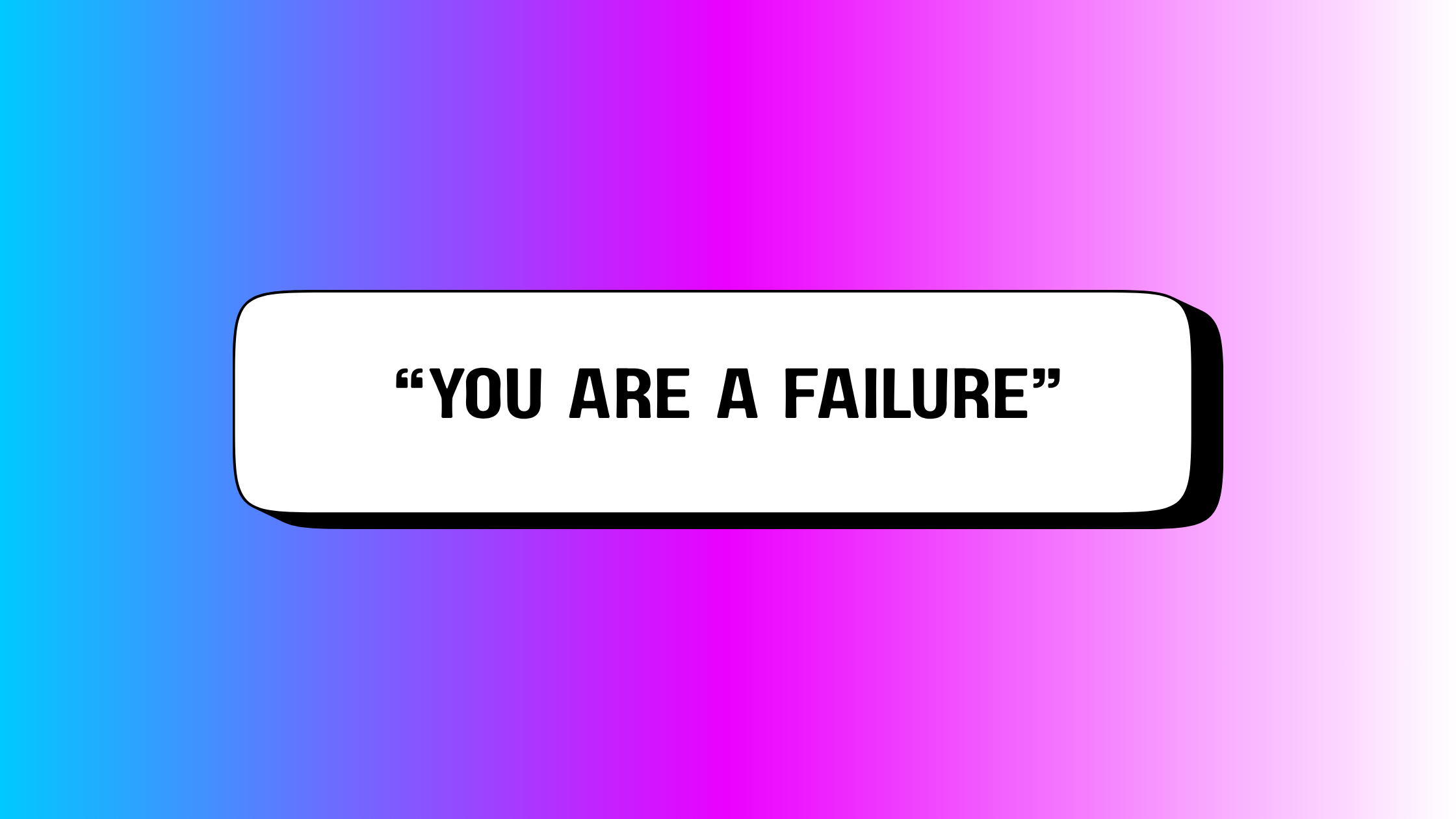
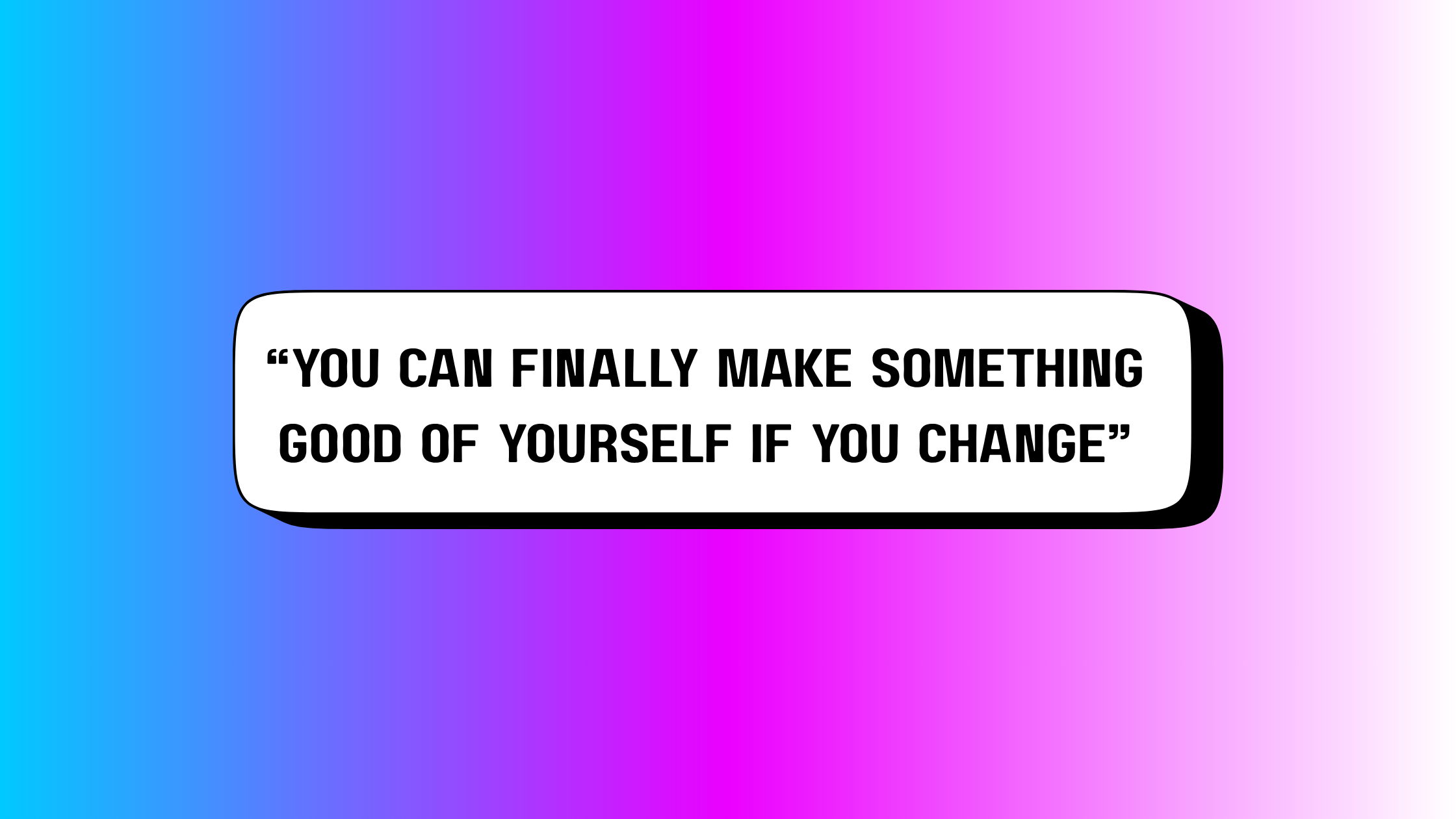

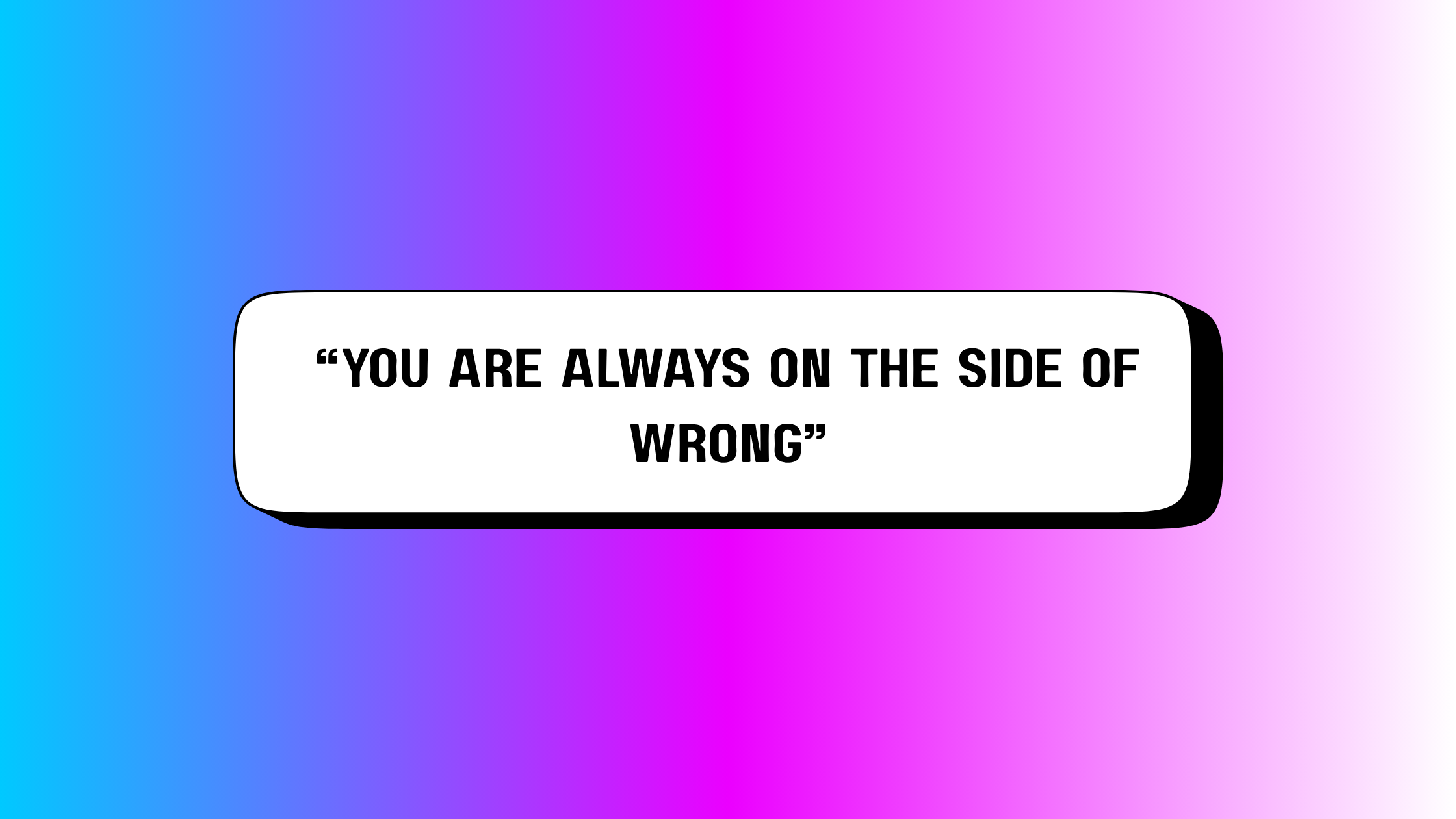
THE CONTEXT
In 2018, the conservative government commissioned Adam Jowett, a Psychology researcher from the University of Warwick, to review the impact of conversion therapy in the UK and overseas. Since then, five Prime Ministers have come and gone, each with a different verdict on banning conversion therapy. The Labour government promised in 2024 that they would outlaw all kinds of conversion therapy, which they branded "abusive".
“The government seemed confused about what it was they were actually trying to ban, which is why they commissioned us to do research on it," Adam said.
“There hasn't been the political bandwidth for such a big new law to pass, because with each leadership comes a new list of priorities. If the ban was just around sexual orientation, I think we would have seen it put in place already, but LGBT rights, particularly trans rights, are much more divisive than they were in 2018. The conversion therapy ban has become a hot potato kicked into the long grass. The government is reluctant to pour petrol onto the fumes of a culture war.”
That culture war became dominant earlier this year, when the supreme court ruled that someone could only legally be classed as a woman if they were born biologically female. This also prevented trans women from using women-only spaces.
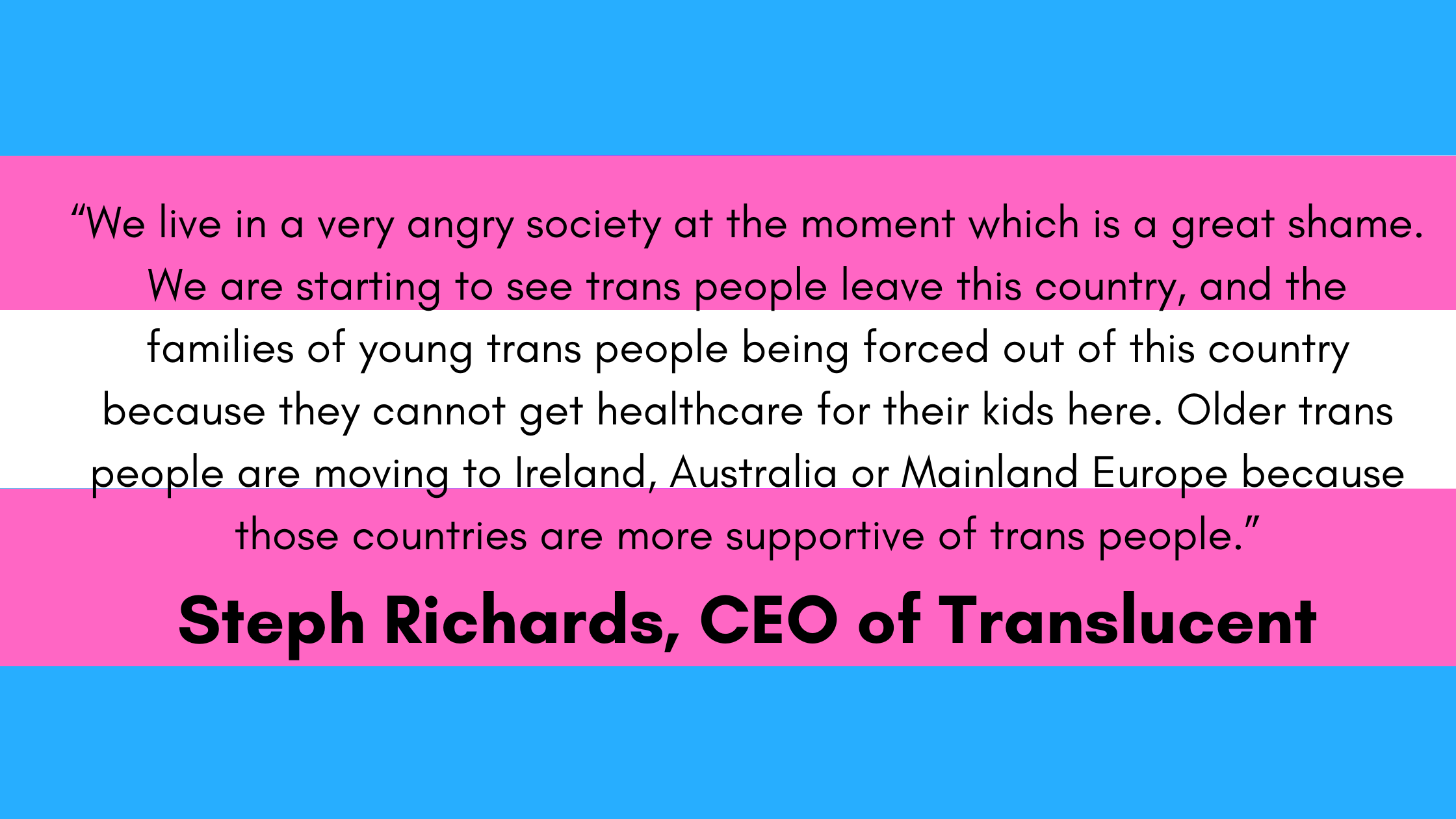
Steph Richards, CEO of the LGBT Charity Translucent, says that this ruling has further stalled progress in the battle for a conversion therapy ban: “We have a much stronger anti-trans lobby in the UK than anywhere else in the world, with the exception perhaps being America. In the 1980s, gay people were persecuted and outed by Sunday newspapers. Now we have 60 or 70 gay MPs, who are mainly men. We have never had an elected trans MP, or a trans peer in the House of Lords, and by consequence we are being othered.”
Steph later shares her own experience with conversion therapy: “People have tried converting me through prayer. There was no chance that would work. I have had emails saying ‘I'll pray for you’ but at my age, I know who I am. Being the CEO of a trans charity is scary enough without this. I have had four death threats just for being trans."

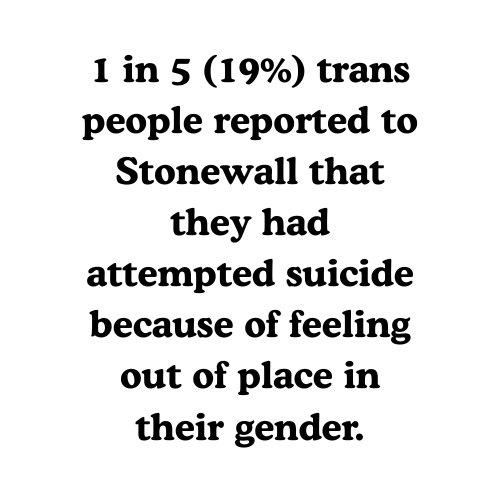
Source: Stonewall
Source: Stonewall
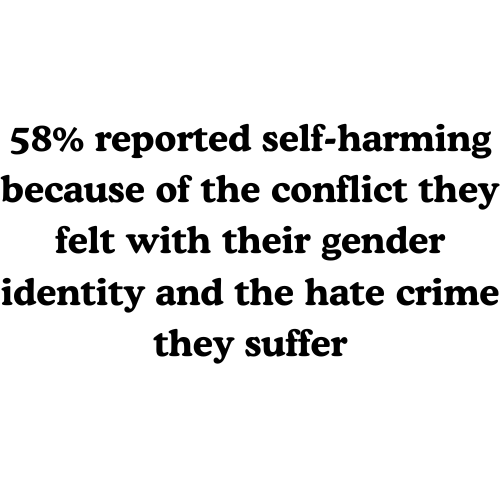
Source: Stonewall
Source: Stonewall
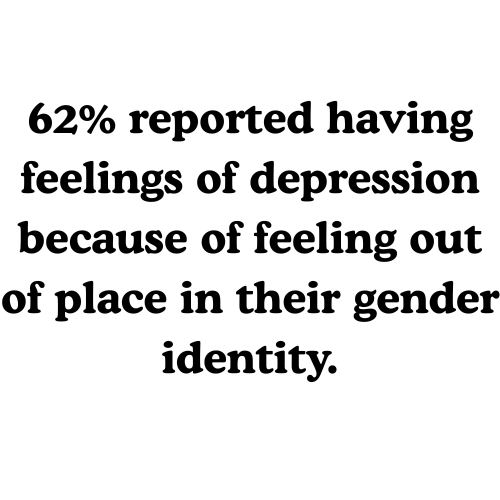
Source: Stonewall
Source: Stonewall
Medical Conversion Therapy
A small group of medical professionals have engaged in practices to alter a person's gender identity through psychological abuse or forcing them to ingest so-called "purifying" substances.
Dominic Davies runs PinkTherapy, a directory of nearly a thousand therapists providing positive support for LGBTQI+ people through issues relating to their sexual orientation or gender identity.
Conversion therapy is a contentious issue between therapists, many of whom have received very little training about how to support survivors. Dominic says: “Principally this is because counsellors aren't trained to work with sexual and relationship diversity. They are told to work with bereavement, unhappiness and depression, but not with the underlying cultural differences that queer people are living with on a daily basis."
Trans people may be told that they only feel this gender incongruence because of a trauma they suffered earlier in life. Dominic points to a lack of awareness about the trauma trans people face at the hands of pseudo-science, which is essentially a set of false theories that claim to be based on scientific fact.
“Trans people in particular are being paraded through the court systems being told what tragic lives they have at the hands of doctors and counsellors. The victim mentality they are being lumbered with is not helping them move forwards.
“We don't have somebody standing up in a church saying ‘this is happening, write to your MP’, and we don't have money to defend ourselves against litigious claims. Victims ought to get compensation for malpractice. The government will give an apology, but these people have had very sad and miserable lives. An apology is not nearly enough.”
Dominic is currently working with major campaign groups to advocate for a full conversion therapy ban, but there is little evidence to suggest the bill will arrive anytime soon.
Over in the states, the situation is very different. The US courts are currently hearing arguments for and against a ban, but seem likely to reject all calls. Jack Hanson, a clinical research professional, has argued that the medical community needs to take a more active stance in blocking these practices.
They said: “This is psychological torture because it invalidates a person, their place in the world and how they want to relate to other people. Conversion therapy is a gaslighting tactic because it involves a person being manipulated by whoever wants to treat them for their trauma when in fact the person who is treating them has actually caused the trauma.
"A lot of conversion therapy is justified under the tenet of religious freedom, but it's one thing to believe something, and another thing to act on that belief. To restrict the freedom of other people using religion is a contradiction in terms."
In many countries, the ban only prevents medical professionals from engaging in conversion therapy practices. The debate about whether faith groups should be allowed to provide care and support for trans people restricts most governments from legislating against them.
Religious Conversion Therapy
"They tell you to pray the gay away," says the minister of an LGBT church on the use of "bible-bashing" in conversion therapy. This method tries to convince trans people they are un-Christian and that being straight and cisgender is the only way God will ever accept them.
Kehinde Adekoya is a pastor for the House of Rainbow, a charity offering a safe space for queer people. As the son of a pastor, Kehinde was born to a highly religious family who condemned him for being 'too feminine'.
“My parents would say ‘there is something wrong with this boy’. When parents say this, it often comes from a place of concern, and not always from a place of hate. Religion is just a tool that can be used to oppress us and change perspectives.”
Kehinde has experience of supporting members of his community after they have experienced conversion therapy. He suggests the government should offer statutory support for victims: “Nobody is doing anything to protect young trans people, especially in religious communities. The law is doing nothing to stand up to conversion therapy, and from a religious standpoint we are scared, because one experience can define the life of a man forever. If you take gay and trans people away from the church, then the church will have no music, no pastors. The church will have no members."
"The way I was raised, if you were gay, you were going to Hell. If you were trans, that wasn't even a conversation."

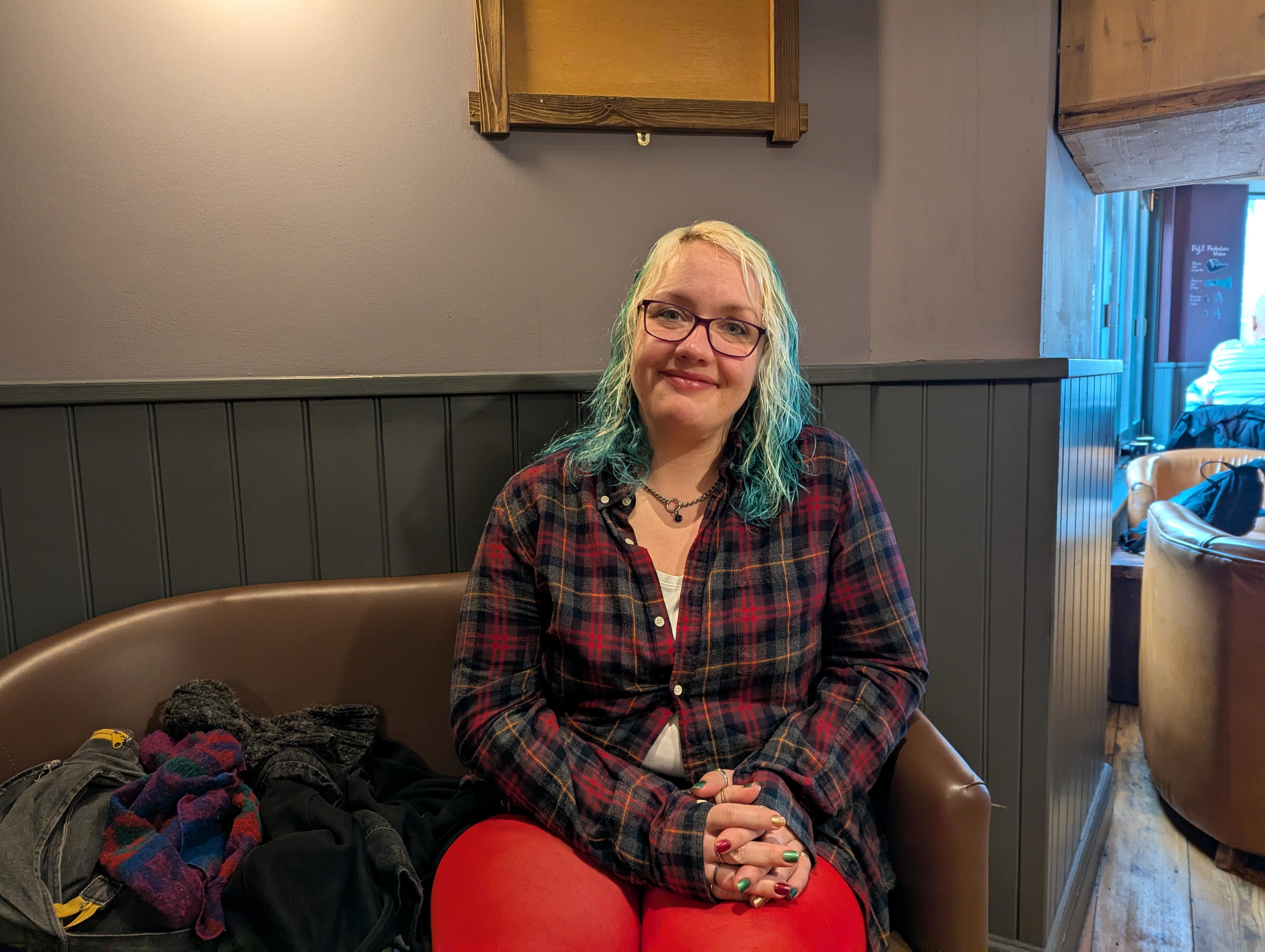
Laura, Space Youth Trustee (Photo Credit: Lewis Eyre)
Laura, Space Youth Trustee (Photo Credit: Lewis Eyre)
Marital Conversion Therapy
"Trans Widows" are the ex-wives of trans people that claim those who stay in marriages with partners who have transitioned are the victims of abuse. They essentially operate on manipulating loved ones to further invalidate the gender identity of a trans person.
Avril Clark runs Distinction, which supports clients through the process of a partner's transition. As the wife of a trans woman, she has often been targeted by "trans widows".
Cis-heteronormativity dominates everything. There is a constant feeling that you must be approved, never by your own criteria but by theirs.


Joel, a trans man from Bournemouth (Photo credit: Lewis Eyre)
Joel, a trans man from Bournemouth (Photo credit: Lewis Eyre)
Social Conversion Therapy
Often social groups or even family members might try to "correct" the gender identity of a transgender person, threatening them with isolation or even homelessness if they refuse to conform with cisgender values.
Julie Miller is one of the UK's first gender authenticity consultants, and works across British universities, schools and prisons to share her experiences of conversion therapy. While she never experienced a religious or medical conversion practice, she has experienced another, very prolific kind of conversion therapy which many trans people encounter on a daily basis.
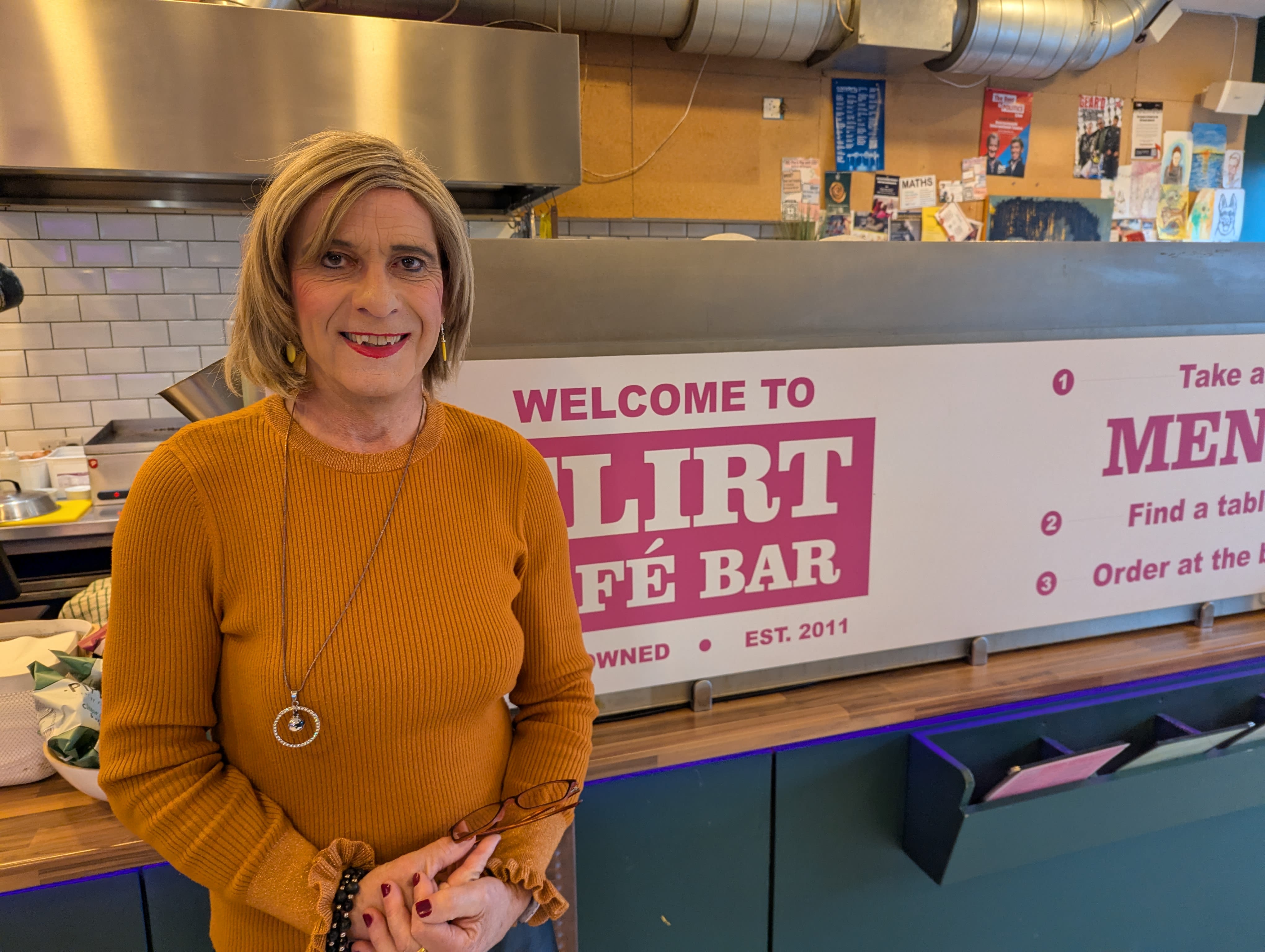
Julie Miller, UK gender authenticity consultant (Photo credit: Lewis Eyre)
Julie Miller, UK gender authenticity consultant (Photo credit: Lewis Eyre)
Sitting in the Flirt Café in Bournemouth, one of the South West’s friendliest LGBT venues, Julie remarks on how much better life has become since she first came out as trans. She lives differently to many other trans women, presenting as a female in her social life and male-presenting in her home life.
Julie described the process of gender incongruence as "feeling like tectonic plates which are running. When I dress as a woman, I no longer feel that. I feel great." She compared this to a train with many stops, and some trans people take longer to board. Conversion therapy is all about making sure they never get on the train at all.
“I have been on this journey for fifty years and I have seen things change dramatically. Society is moving three steps forward, two steps back all the time. The general direction is standing still. There was a time in my early twenties when every time I would go past a pub, people would laugh at me, which still happens sometimes though less often."
Getting into the headspace of a conversion therapy practitioner is challenging for somebody who has experienced this hatred firsthand, but she is encouraged to understand their mindset to deliver these sessions: "We all have a slightly different sense of gender. The supreme court judgement, for instance, was based on ignorance from very ageing people. They might be in touch with the law, but the law is out of date with society.”
Julie asks doctors and nurses to give a show of ‘trans hands’ during their training sessions on how to support gender-diverse patients: “I ask them, 'do you know a gender-diverse person in your personal life?' Most of them raise their hands with confidence and solidarity. If I had asked that question twenty years ago, only one person would have put up their hands and whispered something like ‘I know a post-operative transsexual.'
“Young people understand how important it is for someone to look after their mental health, which is essentially what you do when you are confident enough to come out as trans."
"It's really important that black voices are heard because of the intersectionality between conversion therapy and other minorities. There's even more shame and stigma in our groups because we are marginalised people within another marginalised group, so people come to me and say, 'listening to you, I know I'm not alone.'
WHAT'S NEXT?
Raphael Rafferty runs the LGBTQ+ Society in Southampton. Being a student is a formative time for transgender people, full of emotional imbalance but also full of community support.
“We are always going to be here," says Raphael. "You cannot get rid of us. We will keep getting involved in our culture, doing what we need to do. Even though there have been a lot of dramatic and unfortunate things happening, the community has strengthened the bonds we have together.
“The media is constantly trying to find a big story, and make things seem worse than they actually are, but our priority is just making sure our members know we are here for them."
As for Alice, over seventy years have passed since she suffered her traumatic experience. She says that now she is happier than she has ever been. Her house is one of those houses that perfectly matches the personality of its owner: bright, confident and charismatic. Though she made her living as a carpenter, she is surrounded by the model railway tracks she designs in her spare time.
Six years ago, aged 76, Alice had surgery and transitioned fully into a woman: “All my life Alice has been talking to me. It was like being two people. When I look in the mirror now, there are no signs of who I used to be. It has gnawed away at me my entire life, but now I live with total peace of mind. The neighbours used to just say hello, but now they say ‘hello Alice, are you okay?’ They even make me Christmas dinner.”
She thinks back to 1949, and the dark day when she was first subjected to conversion therapy: "It's funny, really, that when I went to have my surgery, I lived in Bournemouth, but I still went back to Putney Hospital. The very hospital that treated me back in 1949 has the right treatment now.
“It is lovely to finally be free of what I never wanted to be.”
If you have experienced conversion therapy and need support, there are services that can support you:
- Galop's Conversion Therapy Helpline, a service available on weekdays between 8am and 4pm at 0800 130 3335
- Mind offer services specifically for LGBTQ+ mental health issues, which you can access via tel:+44-800-0119-100
- Samaritans have an email service to request support, jo@samaritans.org, but a response may take several days.
 Built with Shorthand